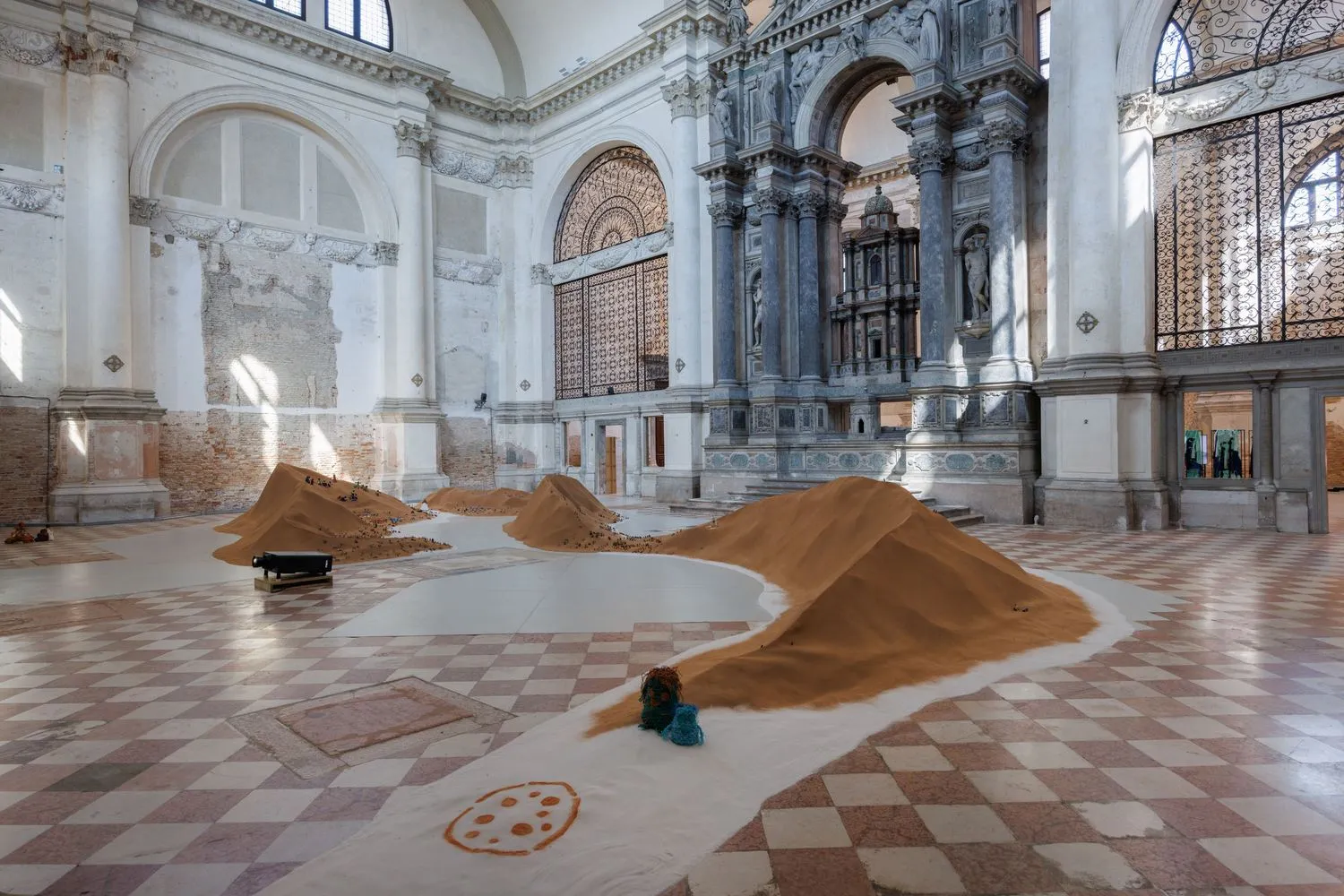
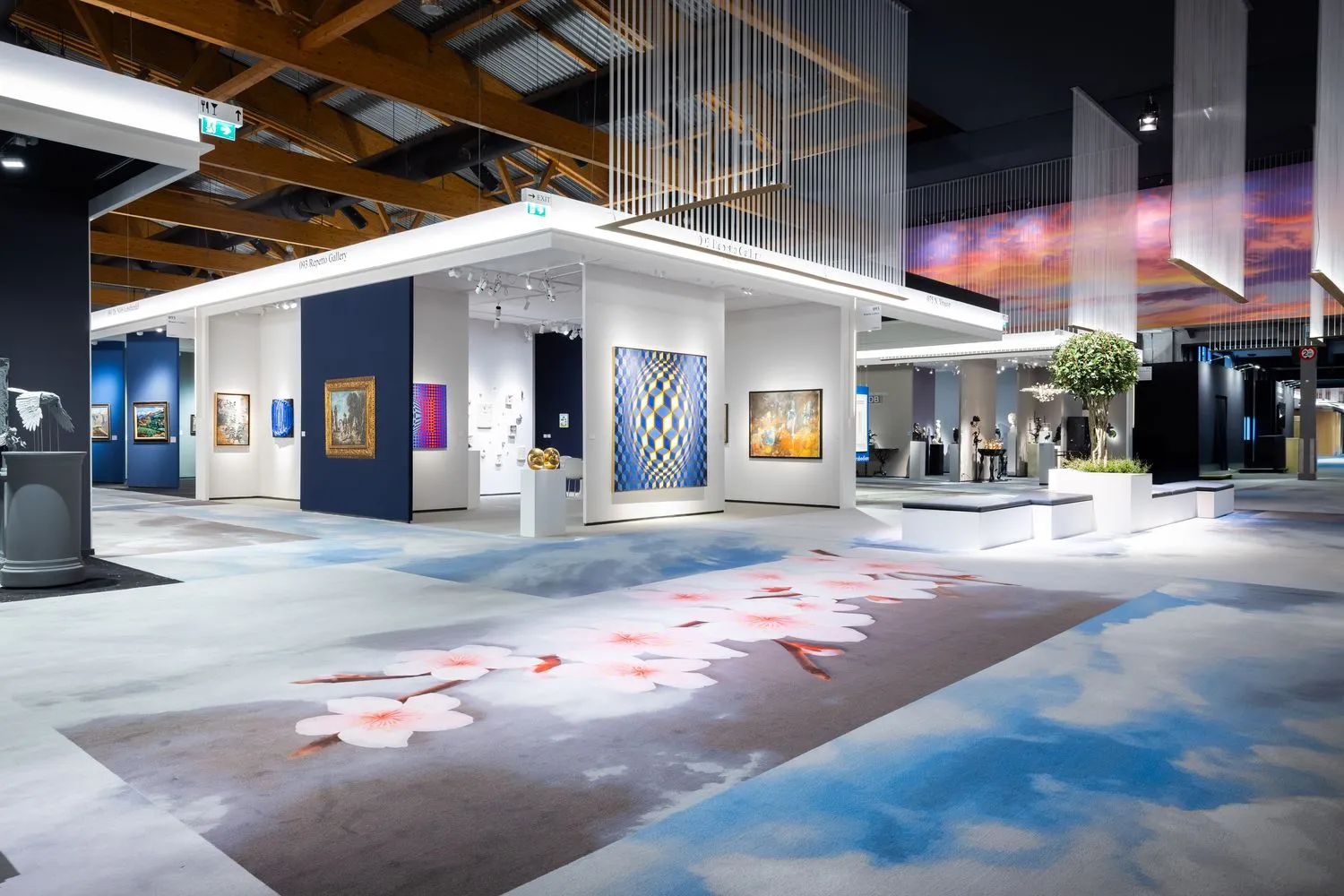
 BRAFA 2026 - General view © Olivier Pirard
Over the decades, BRAFA has evolved from a Belgian antiques fair into an international event bringing together galleries specialising in fields spanning several thousand years of art history. Its programme now encompasses everything from antiquities and Old Masters to modern and contemporary art, design and photography, creating an unusually broad setting for encounters between different periods, traditions and approaches to collecting. The 72nd edition, taking place at Brussels Expo between January 24 and 31, 2027, continues this eclectic approach, with new and returning galleries contributing to its contemporary art selection.
The 2027 edition will also mark a significant moment for the Musée d'Ixelles, which takes the role of Guest of Honour ahead of its reopening in March, following a decade-long renovation and extension. Founded in 1892, the Brussels museum holds a collection of nearly 15,000 works, with Belgian art from the 19th century to the present at its core. Its holdings trace the development of artistic practice across generations, while recent acquisitions and the museum’s renewed programme give particular attention to contemporary work. The presentation at BRAFA will offer visitors a chance to encounter the collection in the context of a fair whose scope extends well beyond the traditional boundaries of the art market.
This year's fair brings together 150 galleries spanning 18 countries, several of which will be making their BRAFA debut. Among the new arrivals are Waddington Custot, with galleries in London, Paris and Dubai, and Brussels-based Stems Gallery. Their arrival adds two distinct contemporary perspectives to a fair whose exhibitors range from specialists in historical art to galleries working with artists of the present day. Waddington Custot has built an international reputation through exhibitions spanning modern masters, the Nabis, photorealism and contemporary art, while Stems Gallery focuses on emerging artists, with a particular interest in introducing American contemporary practices to European audiences.
Several established galleries will also bring focused presentations of individual artists. Axel Vervoordt is preparing two solo presentations, devoted to Belgian painter Jef Verheyen and Hong Kong-born sculptor Kim Lim. A central figure in postwar European abstraction, Verheyen explored the relationships between light, colour and space throughout his practice. Lim, meanwhile, developed a distinctive sculptural language through her work with materials including wood, stone and metal, producing abstract forms characterised by their balance, rhythm and spatial relationships. The pairing brings together two artists whose approaches to abstraction emerged from markedly different cultural and artistic contexts.
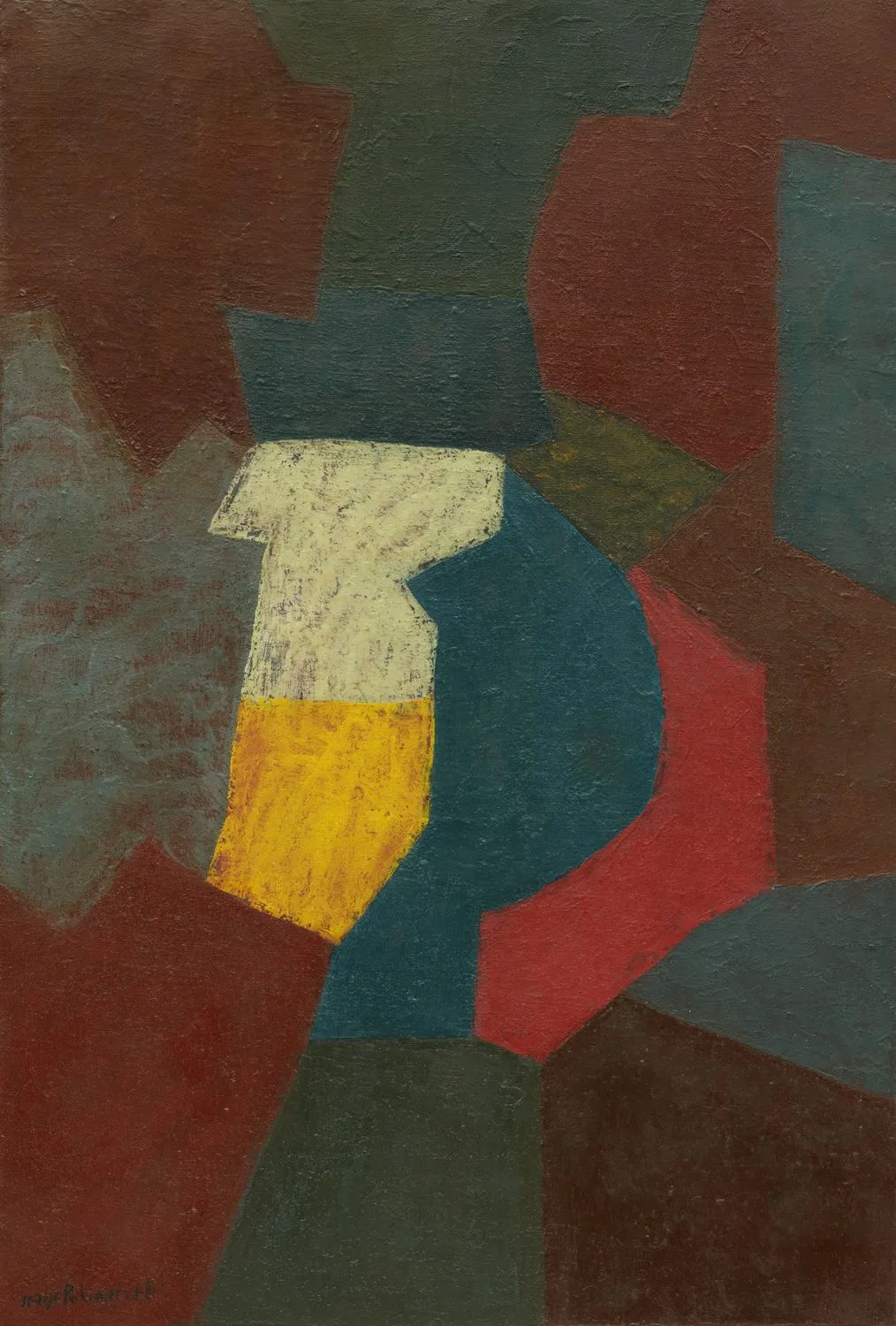
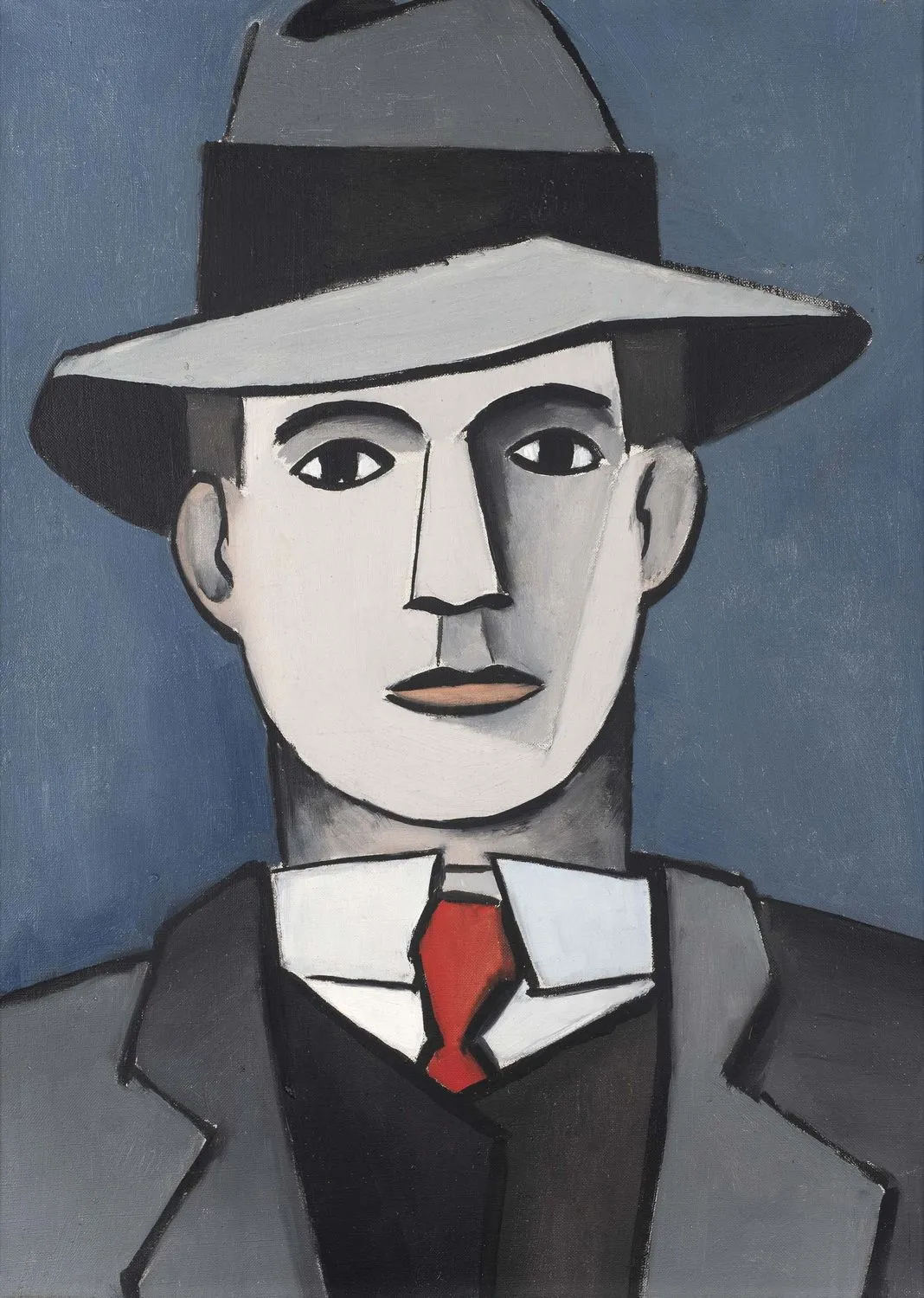
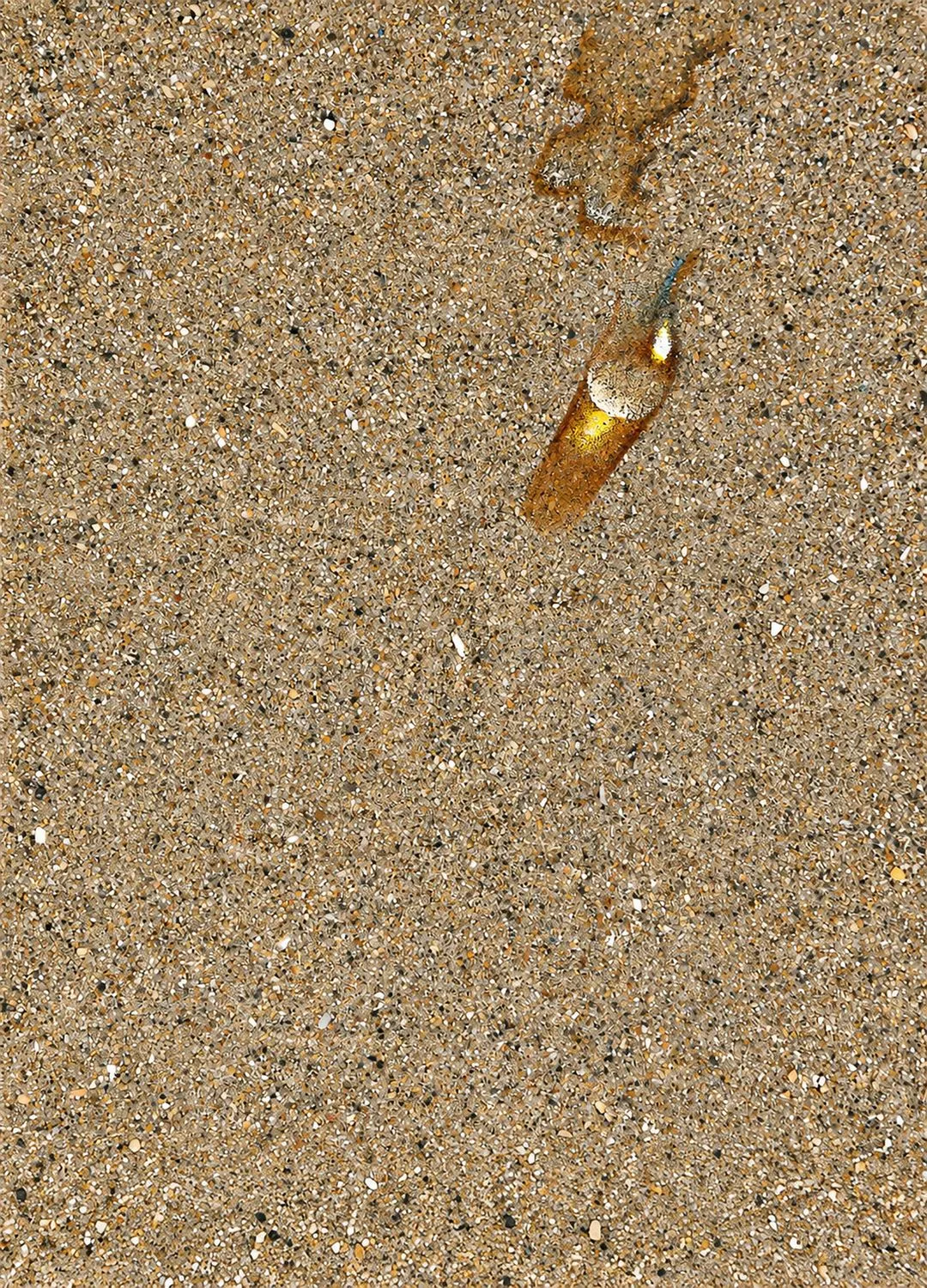
At Meessen De Clercq, the presentation will centre on Peruvian-born, Brussels-based artist Nicolas Lamas and his project The Failure of Order. Working across sculpture, installation and other media, Lamas examines the systems through which humans organise and interpret the world, drawing on references from science, philosophy and ecology. DIE GALERIE, meanwhile, will feature Italian artist Fabrizio Plessi, whose pioneering work with video and moving images has explored the relationship between technology, sculpture and natural phenomena. His practice frequently incorporates images of water and fire, transforming the moving image into an integral element of sculptural installations.
Other returning galleries bring together different strands of modern and contemporary art. Düsseldorf-based LUDORFF combines German Expressionism and postwar art with selected contemporary positions, while Opera Gallery maintains an international programme spanning modern and contemporary artists. Amsterdam's Rueb Modern and Contemporary Art also returns, alongside Almine Rech, whose galleries in Europe, the United States and Asia represent artists across several generations. Repetto Gallery in Lugano offers a more specialised perspective through its focus on Italian postwar art, particularly Arte Povera and Land Art.
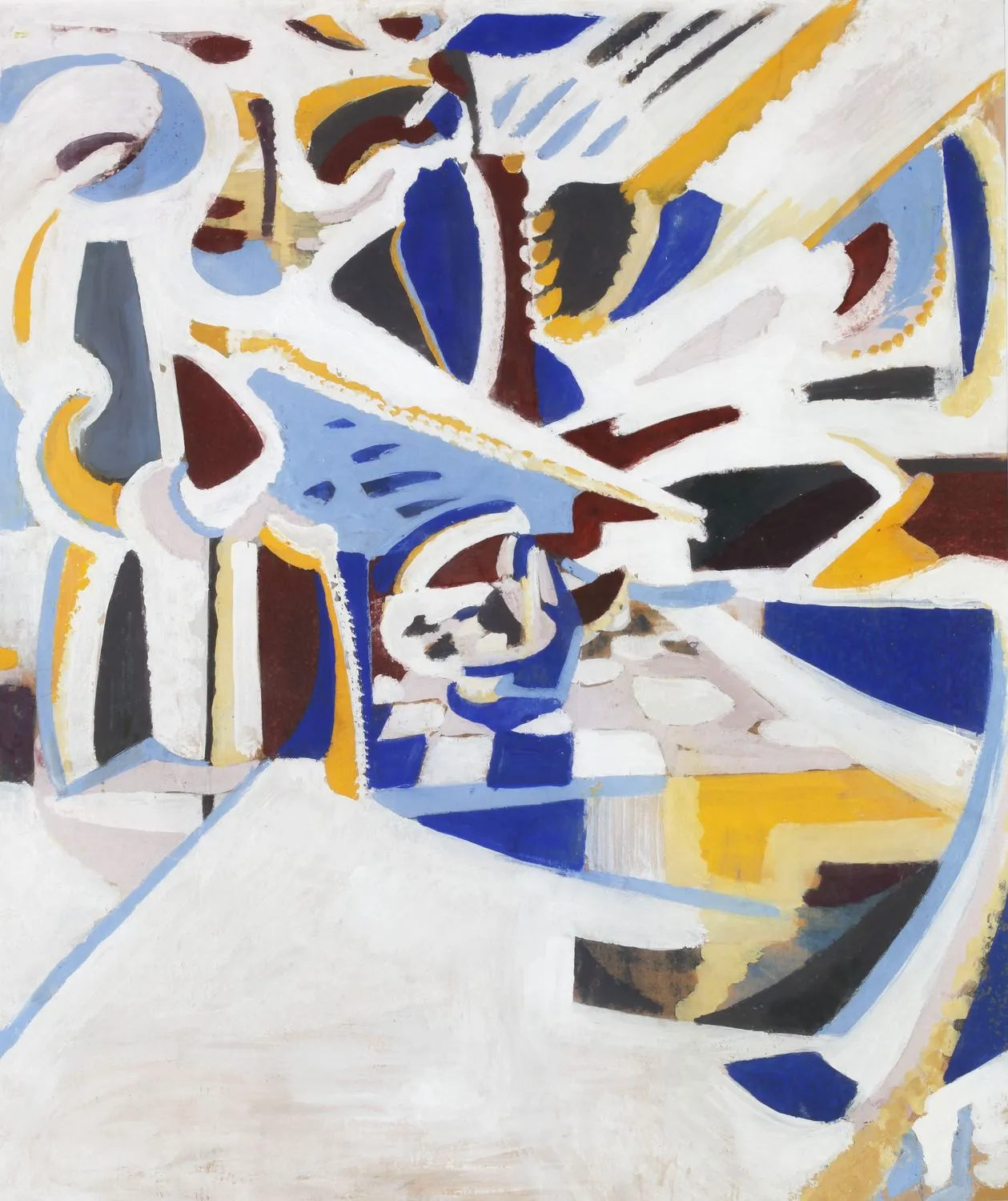
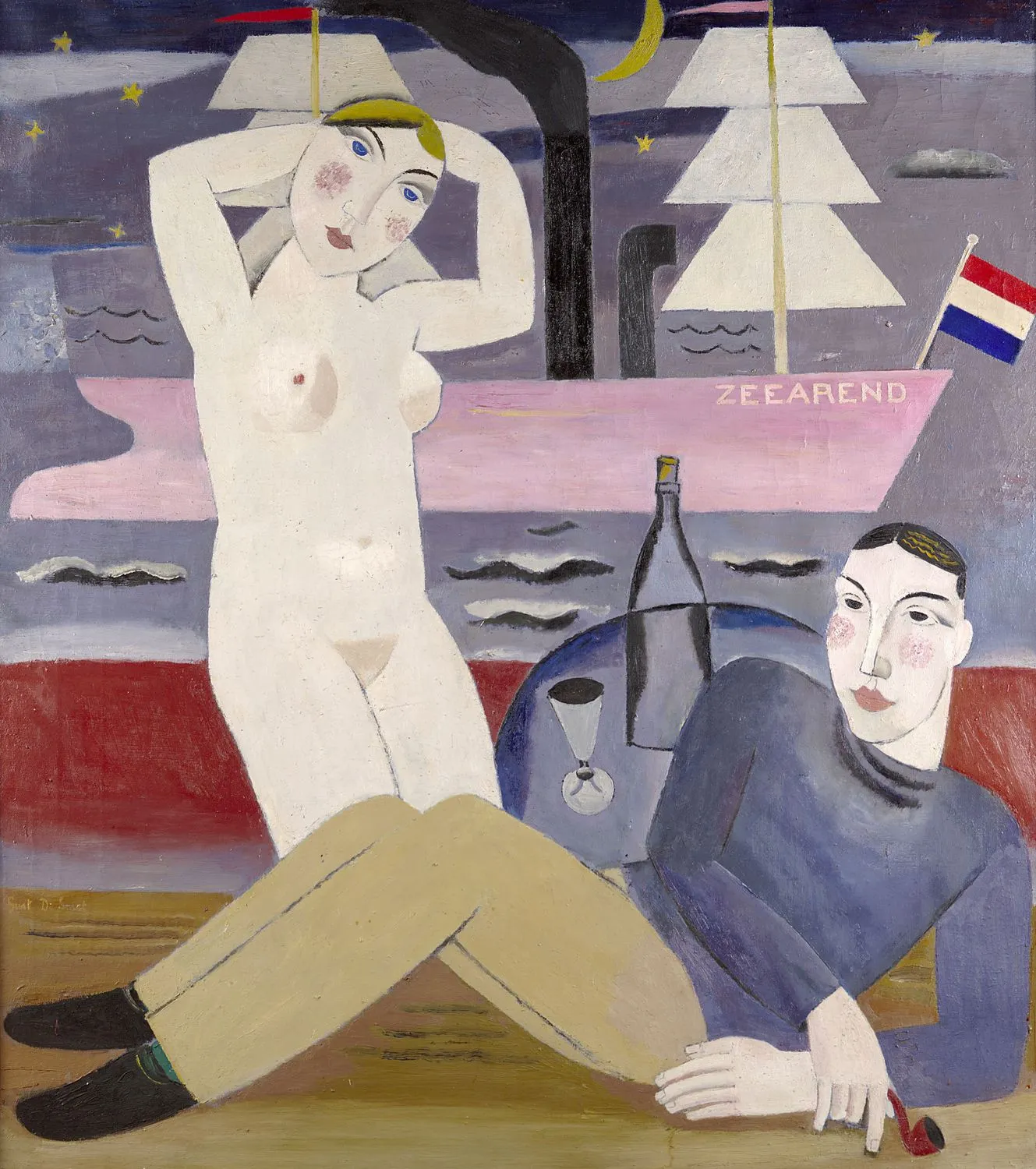
The Musée d'Ixelles' participation comes ahead of its reopening to the public in March 2027, following a decade-long renovation and extension. Its collection of nearly 15,000 works is centred on Belgian art from the 19th century onwards, encompassing painting, sculpture, drawing, prints, photography, video and installation. Nearly 80 percent of the works are by artists who have worked in Belgium, reflecting the museum's commitment to documenting the country's artistic production and the different contexts in which it has developed.
The collection has also grown through acquisitions of contemporary work, including pieces by Lili Dujourie, Lisa Vlaemminck, Sophie Kuijken, Cindy Wright, Edith Dekyndt and Ariane Loze. This interest in current artistic practices will continue to shape the museum's programme after its reopening, which will combine presentations drawn from the collection with thematic displays and commissions by contemporary artists.
One such commission is a monumental installation by Brussels-based artist Tatiana Wolska, created for the museum's new reception area. Made from collected plastic bottles, the work developed through a process involving local residents, schools and community members, who contributed materials to the project. It reflects Wolska's sustained interest in transformation, material and gesture, while connecting the museum's renewed spaces with the community around it.
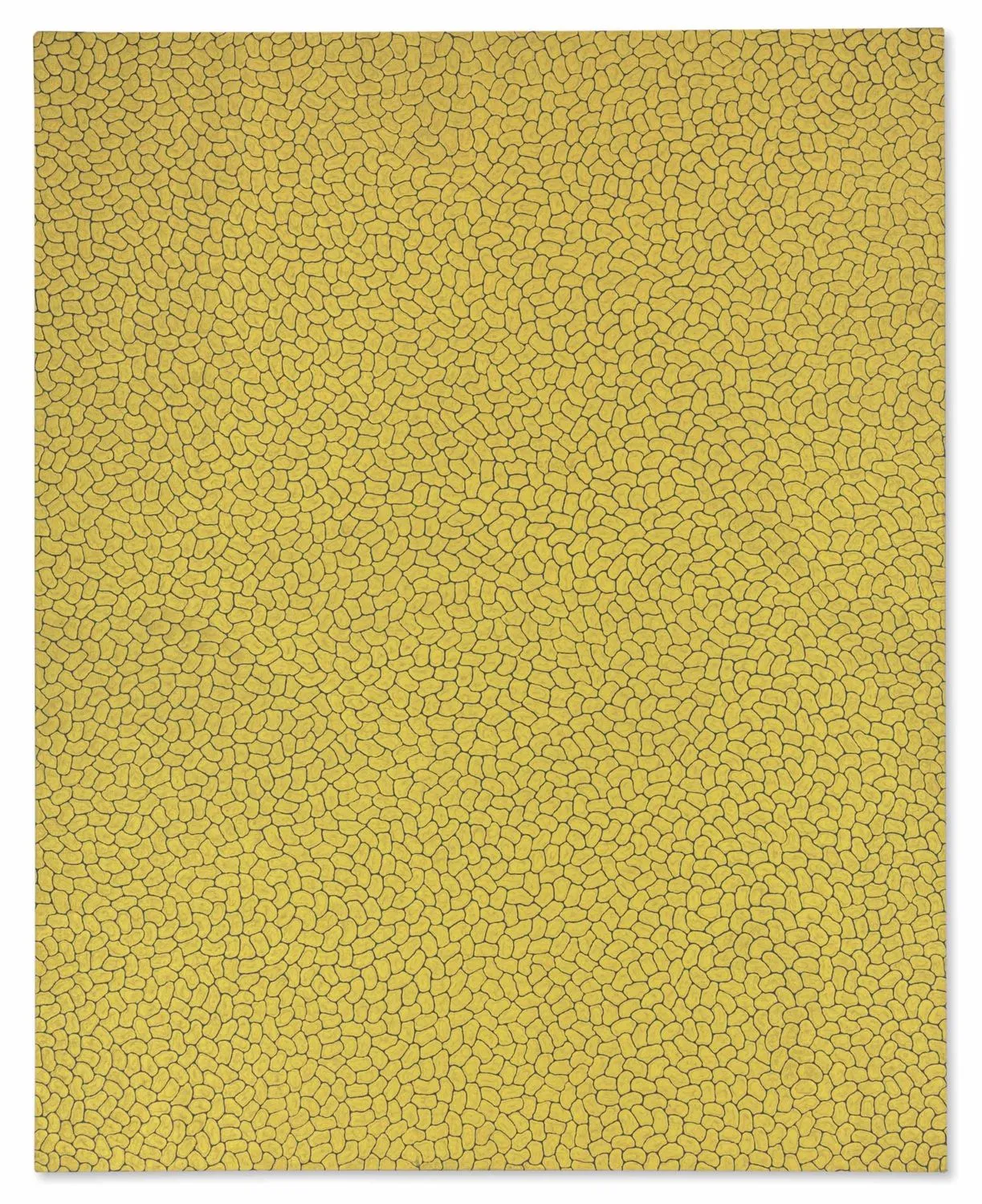
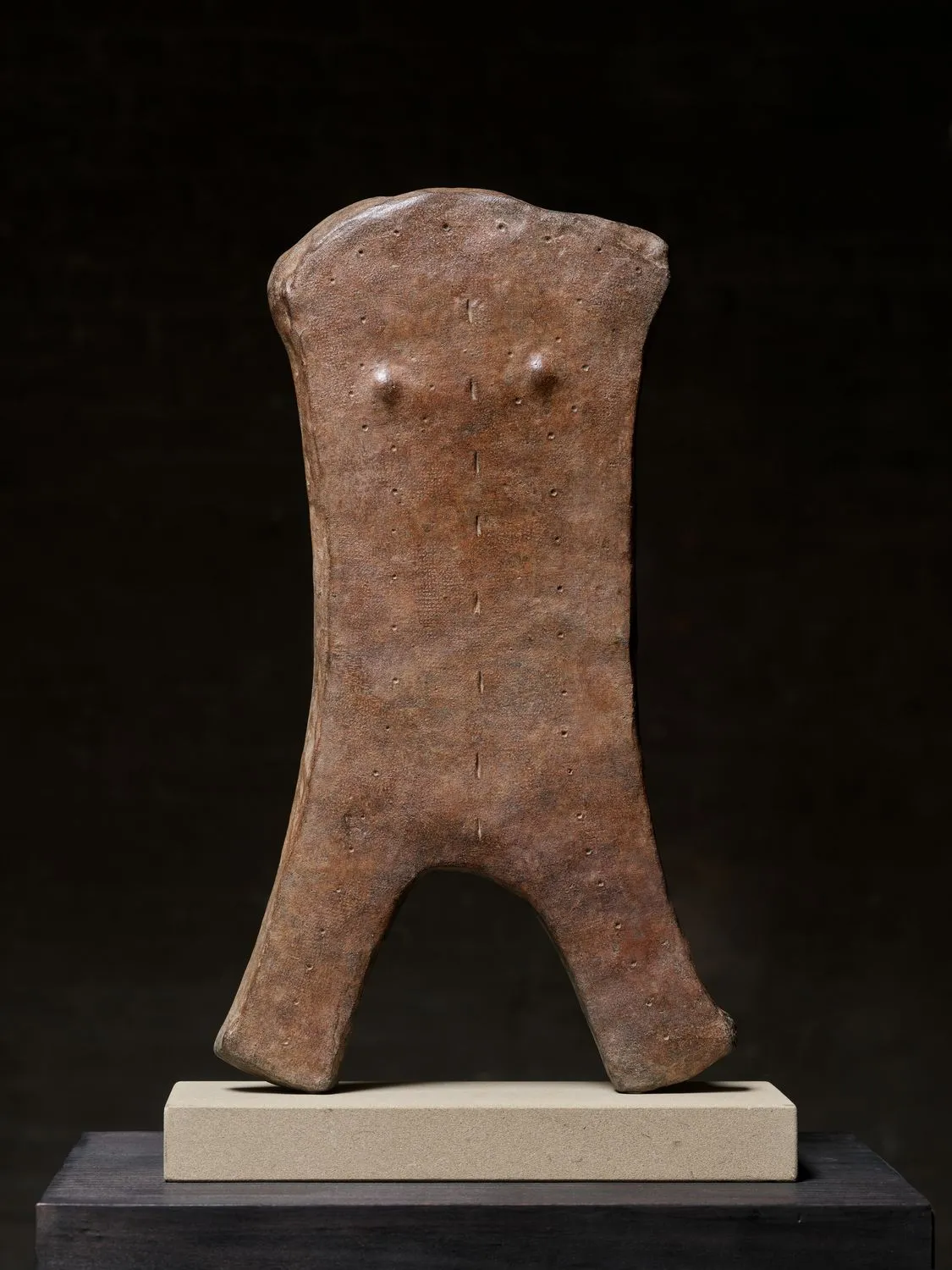
BRAFA 2027 takes place at Brussels Expo, in Halls 3, 4 and 8 from January 24 to 31, 2027. The invitation-only preview days are scheduled for Friday, January 22, and Saturday, January 23, followed by public opening from Sunday, January 24, to Sunday, January 31. The fair is open daily from 11 am to 7 pm, with an extended evening on Thursday, January 28, when visitors can stay until 10 pm.
The programme also includes the BRAFA Art Talks, guided tours and activities for younger visitors, alongside the fair's dining area in Hall 8. As in previous editions, the vetting process will involve an international panel of specialists examining the works presented by exhibitors for authenticity, quality, provenance and condition before the fair opens.