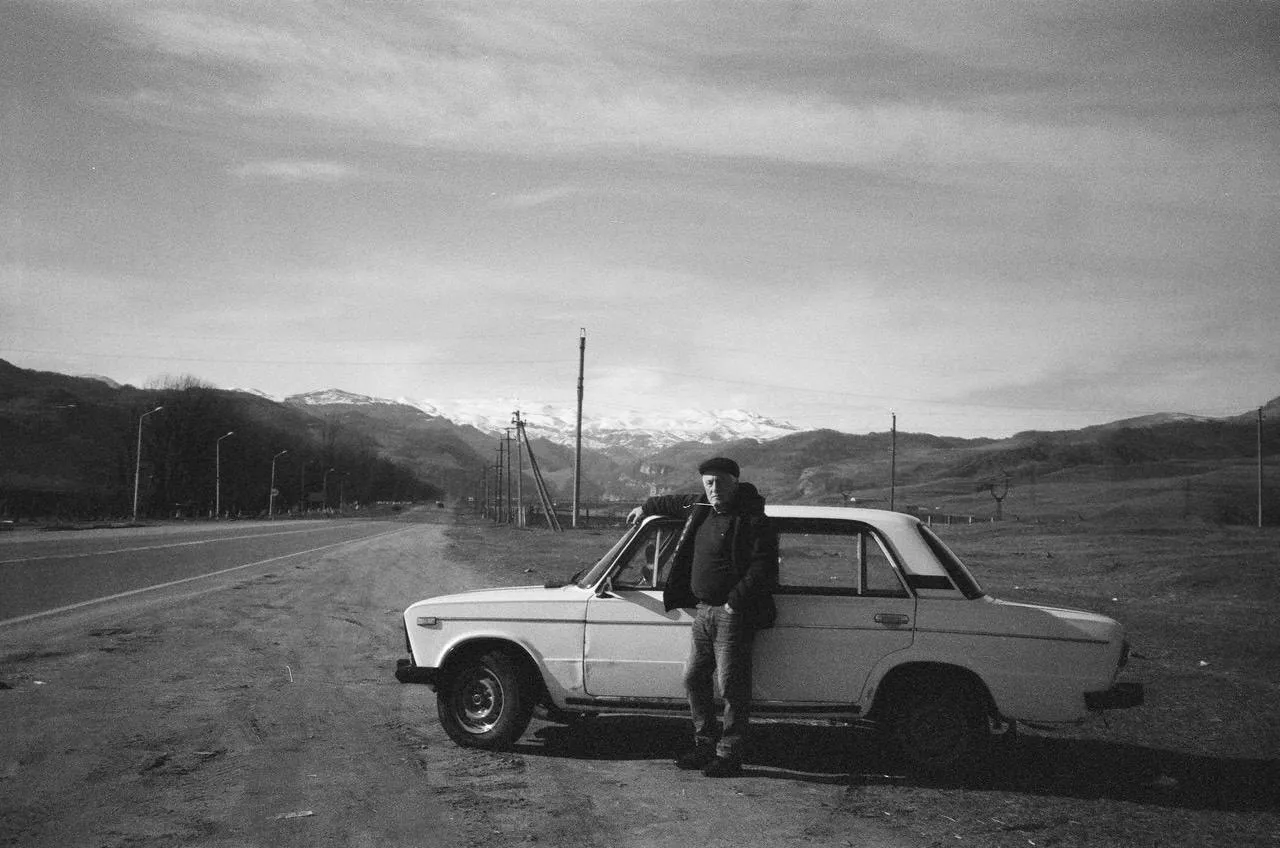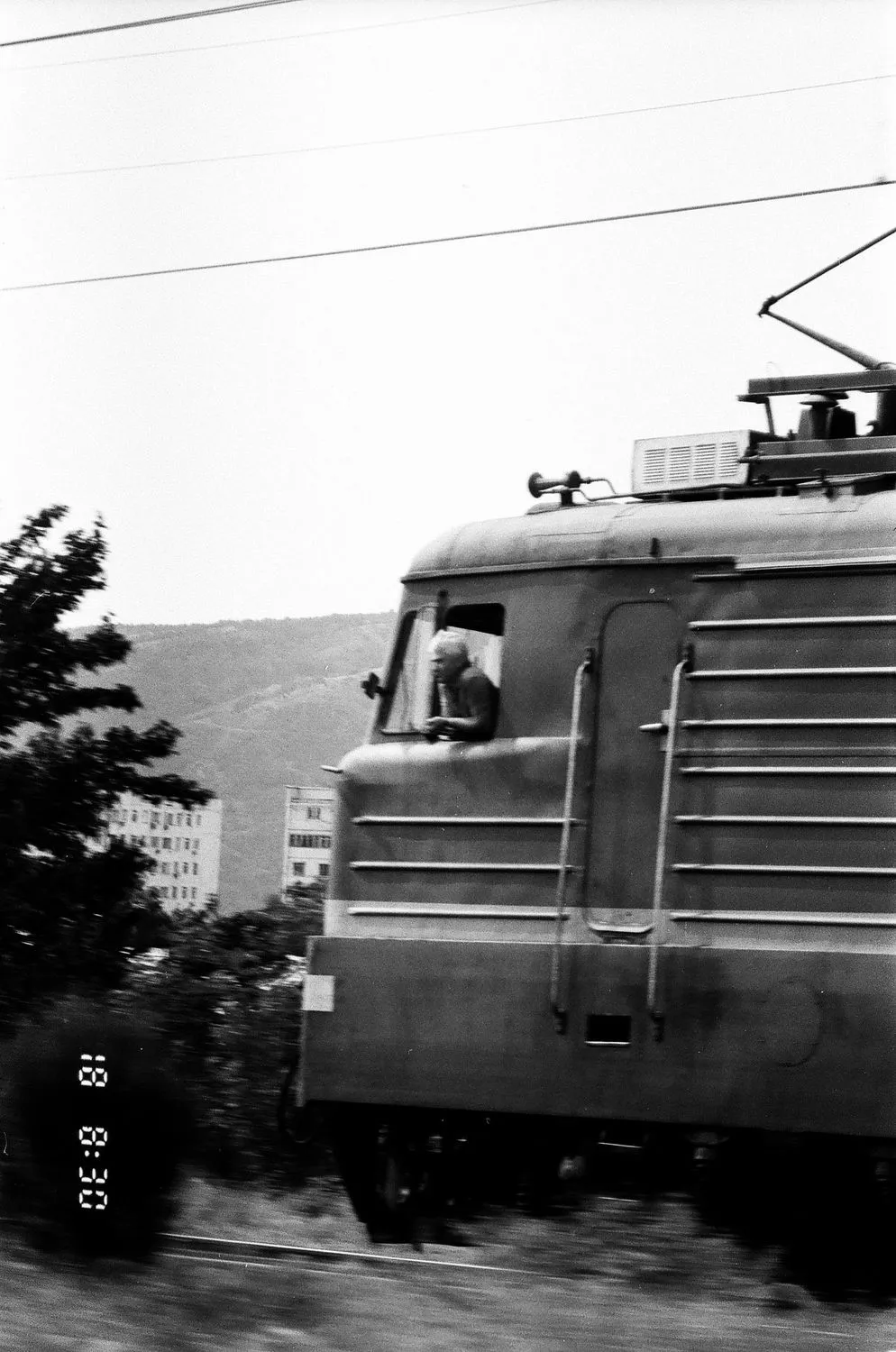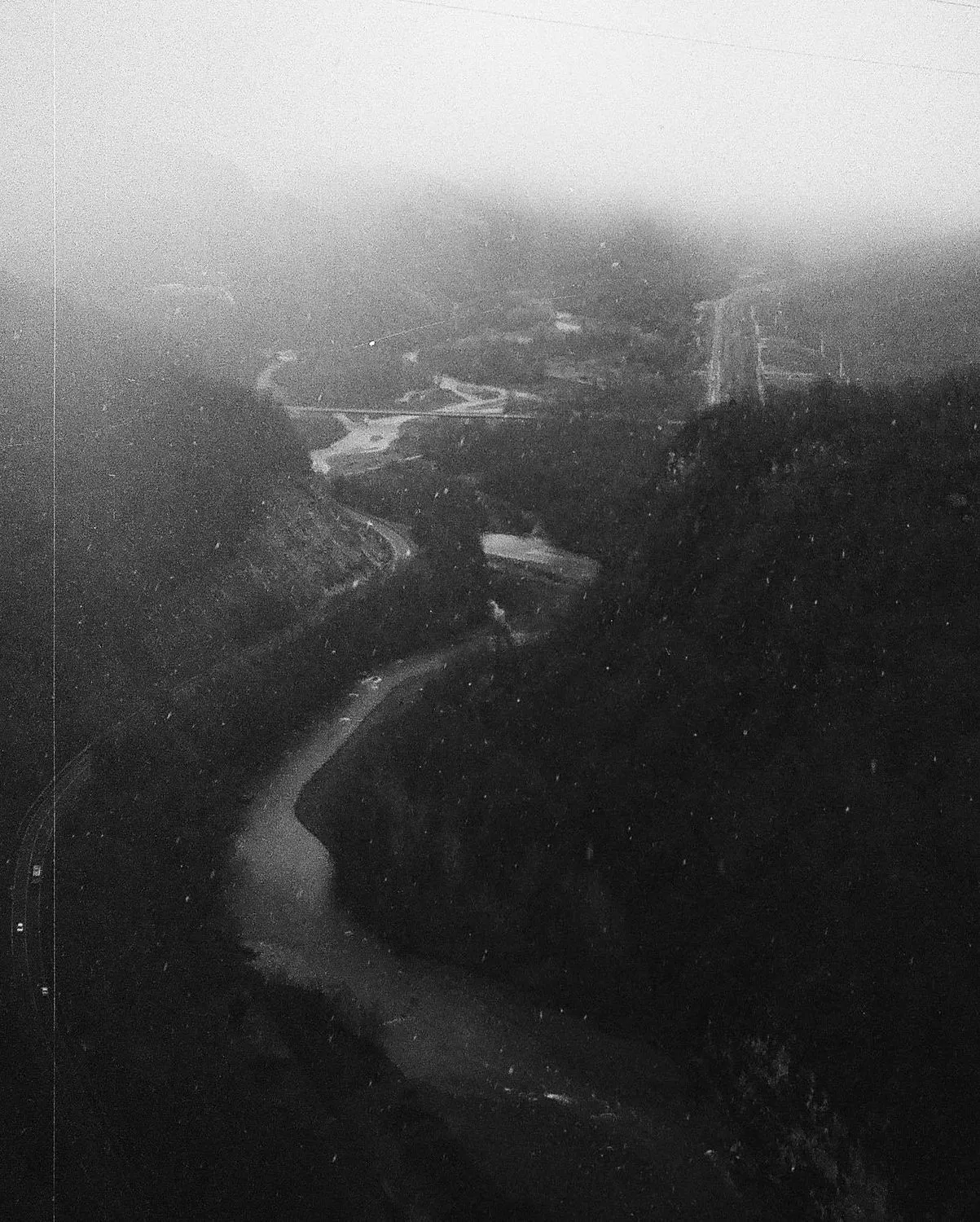

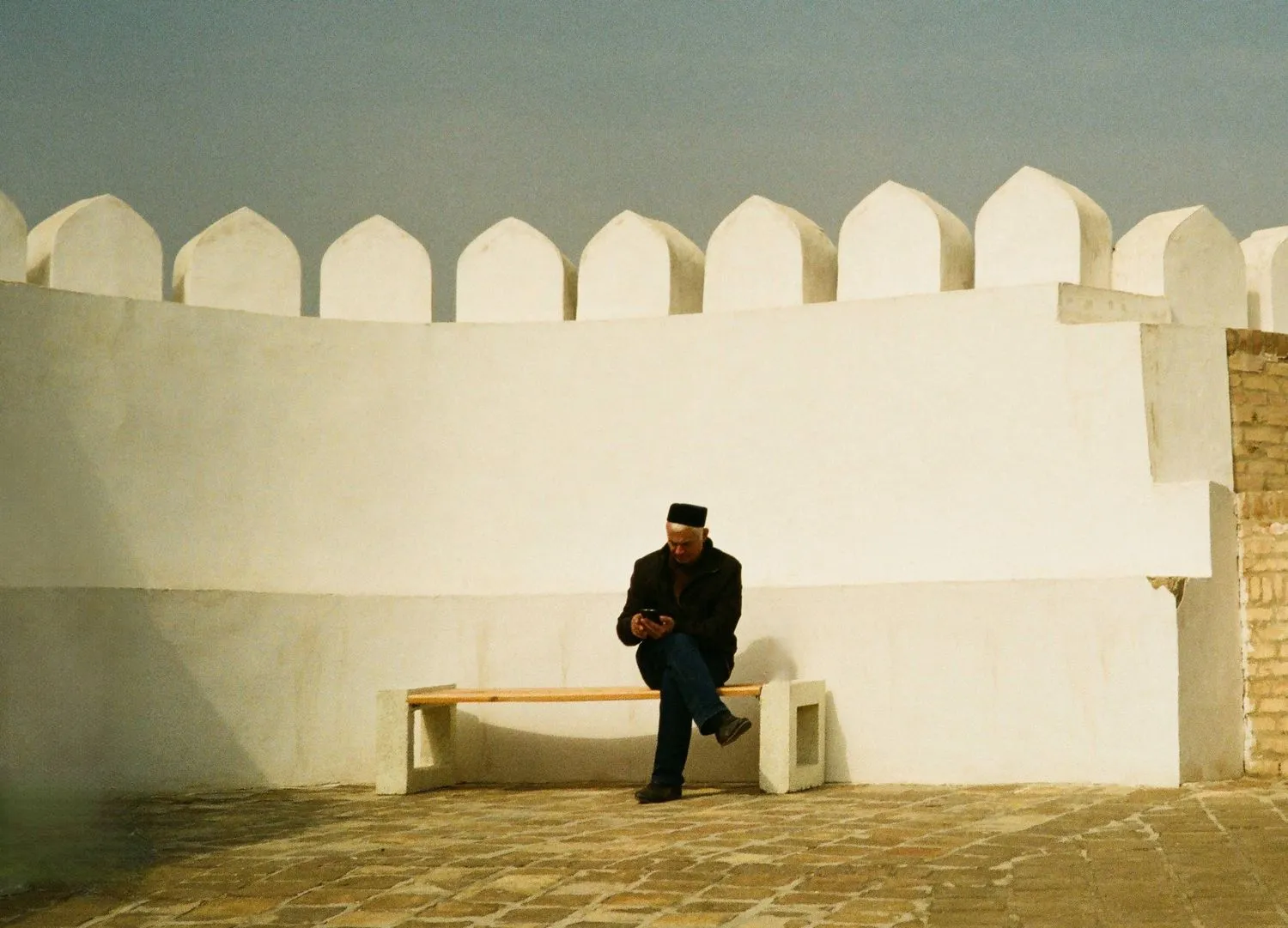
 Arlau, Chromatic Terrains, analogue photograph. Courtesy of the artist.
 Susan Sontag argued that photographs are not so much an instrument of memory as an invention of it, functioning as a replacement for the experience rather than a record of it. London-based photographer Arlau is interested in that gap between experience and image, and in how memory transforms a place rather than preserves it. Chromatic Terrains, her solo exhibition at the Handbag Factory in London, draws on travels across Central Asia, exploring how images lose fidelity, and how that loss enacts the way actual memory works.
Curated by Darya Kalembet, the exhibition brings together analogue photographs made across Kazakhstan, Uzbekistan, and Georgia, regions that carry a specific cultural and biographical resonance for the artist. Arlau's photographs approach these landscapes through accumulation, returning to the same places across multiple journeys to capture fragments of atmosphere, texture, and light. The work is rooted in a specific experience of place: the joy and fulfilment of being somewhere, and the trace of melancholy it leaves once departed.
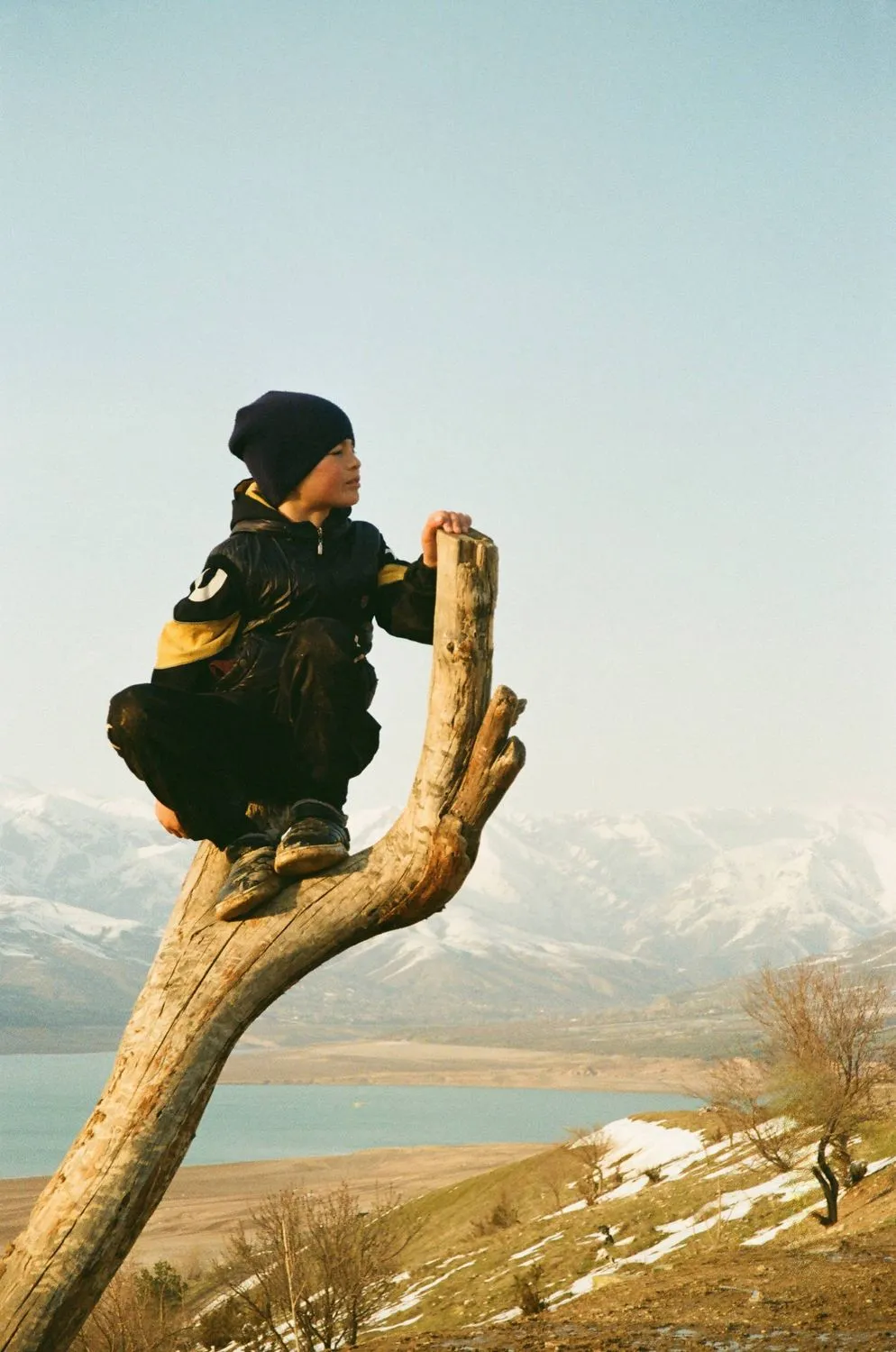
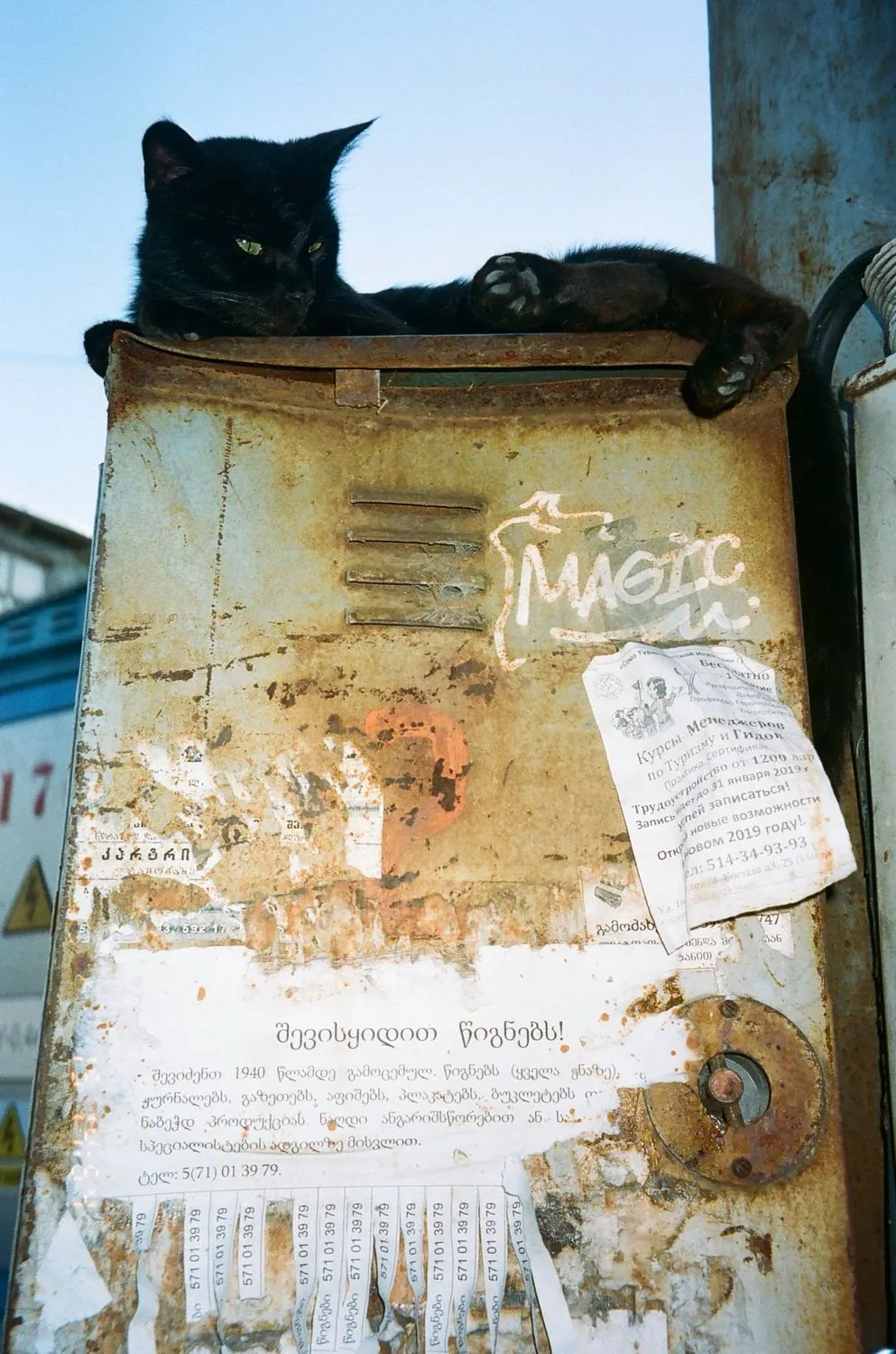
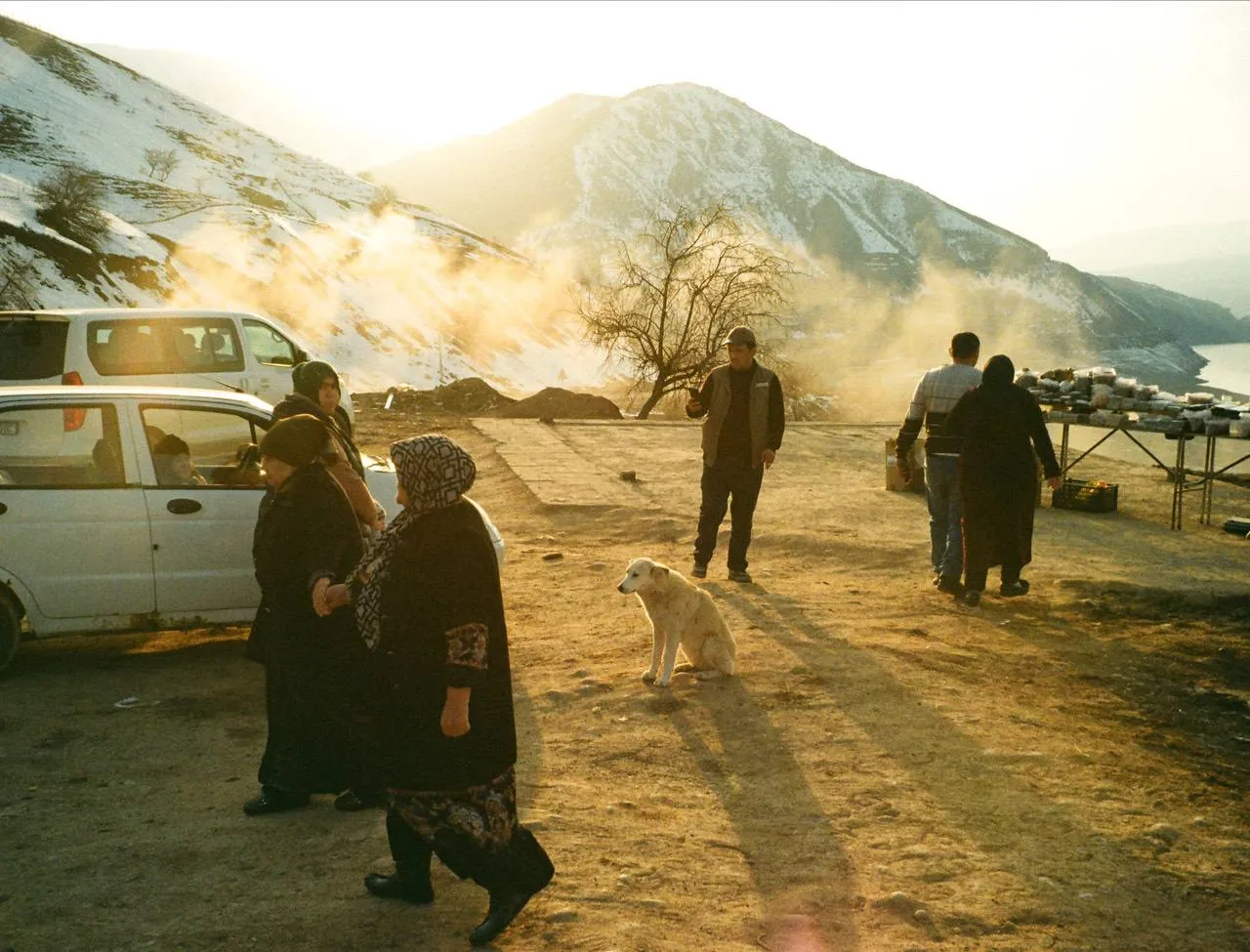
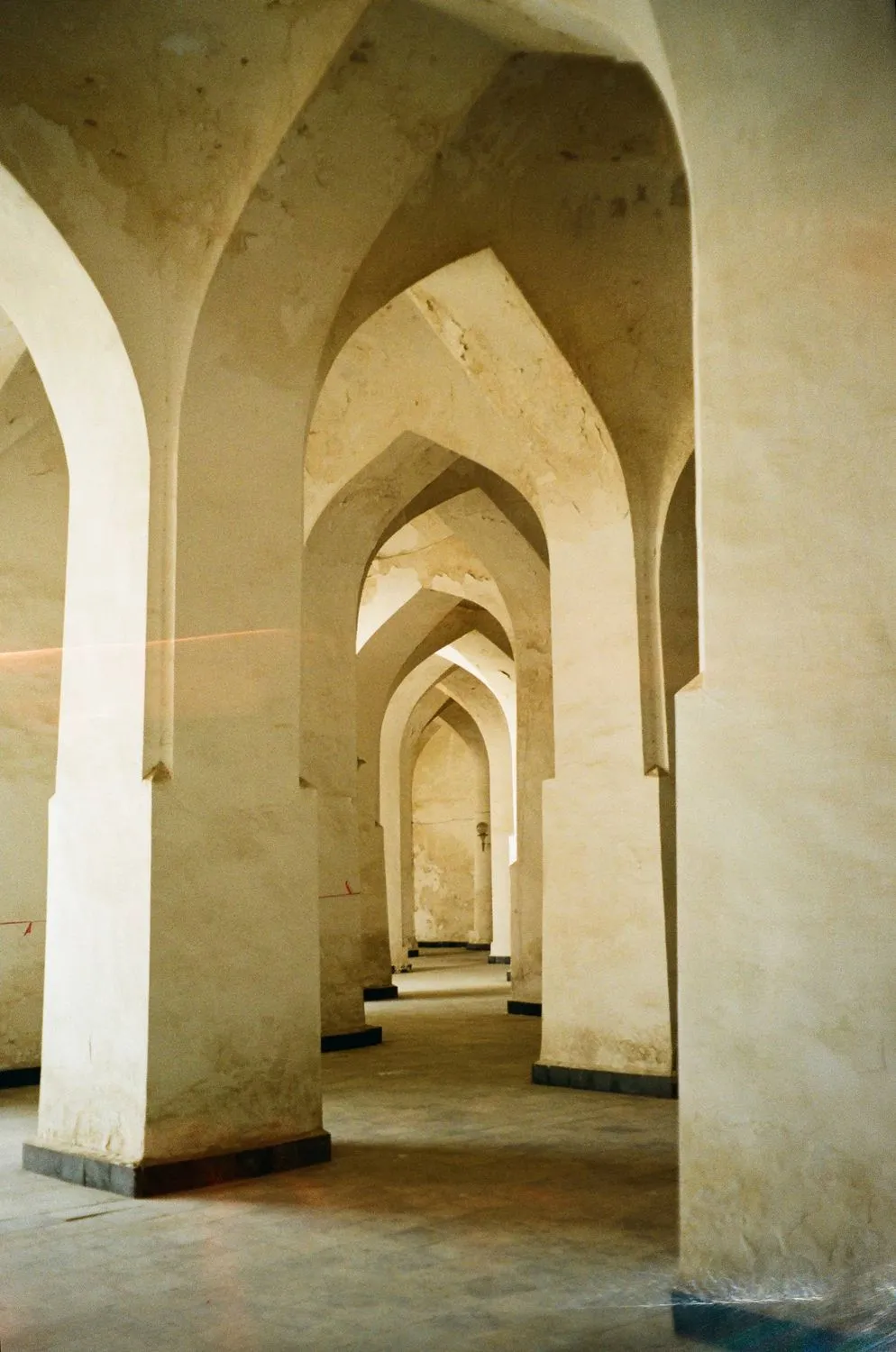
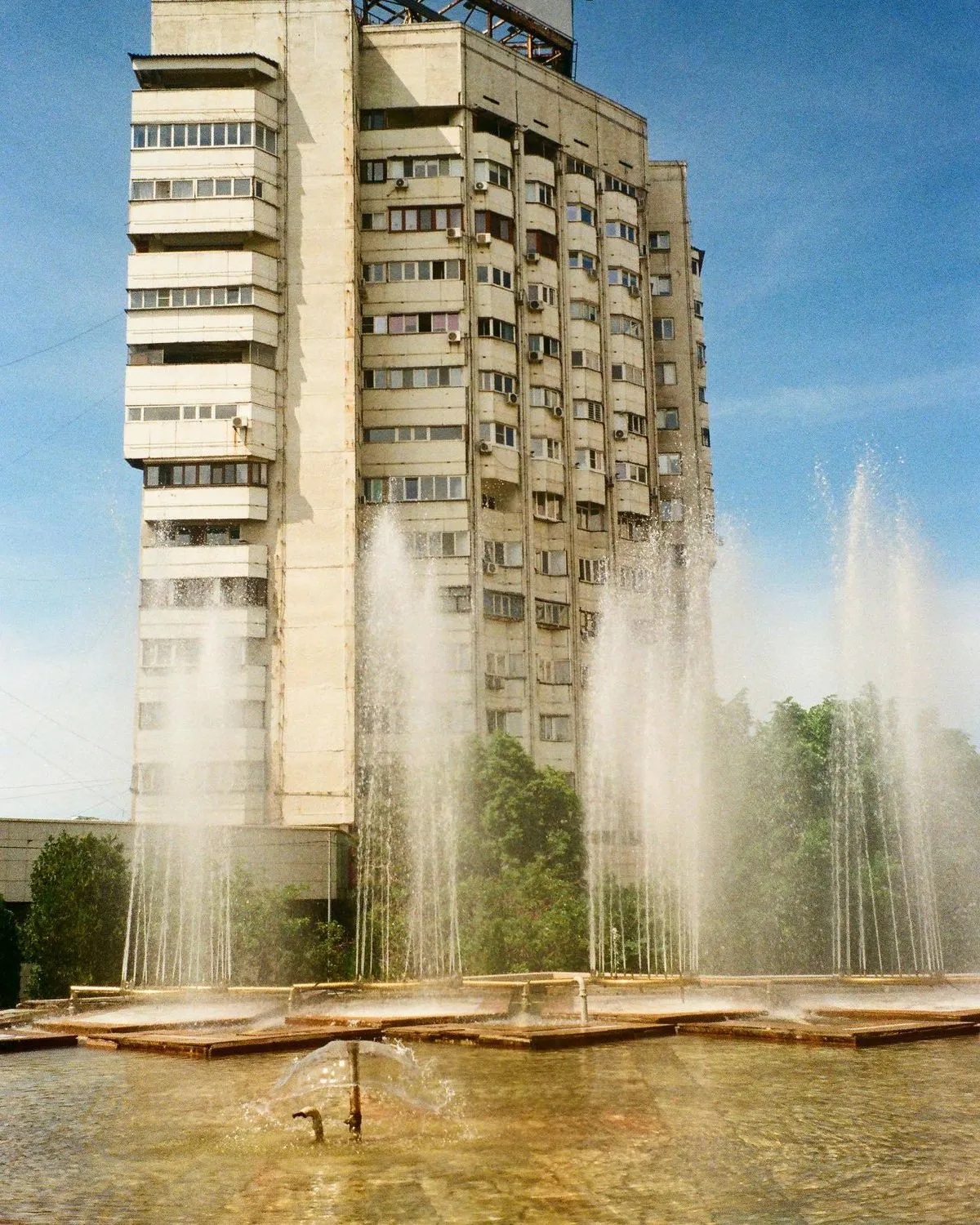
Working primarily with analogue film and Polaroid, Arlau's practice is rooted in travel and the exploration of place. The photographs in Chromatic Terrains are warm, grainy, and unhurried, attuned to atmosphere over narrative. Focusing on landscapes and urban environments, they move between human figures, architectural fragments, and animals, capturing the texture of ordinary life. Nostalgia works here as a structural condition, shaping the exhibition's movement between different image-making processes.
The exhibition's curatorial structure moves across distinct photographic and printing processes, each with different material properties, to enact stages of how memory transforms. Moving from colour analogue photography through risograph printing to black-and-white film, each stage enacts a different relationship between the image and the experience it holds. The risograph occupies the central and most interesting position in this arc. Originally developed for cheap mass reproduction, the process lacks the precision photography usually pursues: colours flatten, layers misregister, ink sits on the surface of the paper rather than absorbing into it. The image becomes approximate and tactile, something closer to how a place is recalled than how it was seen. Black-and-white closes the arc, reducing the landscapes to form and shadow.
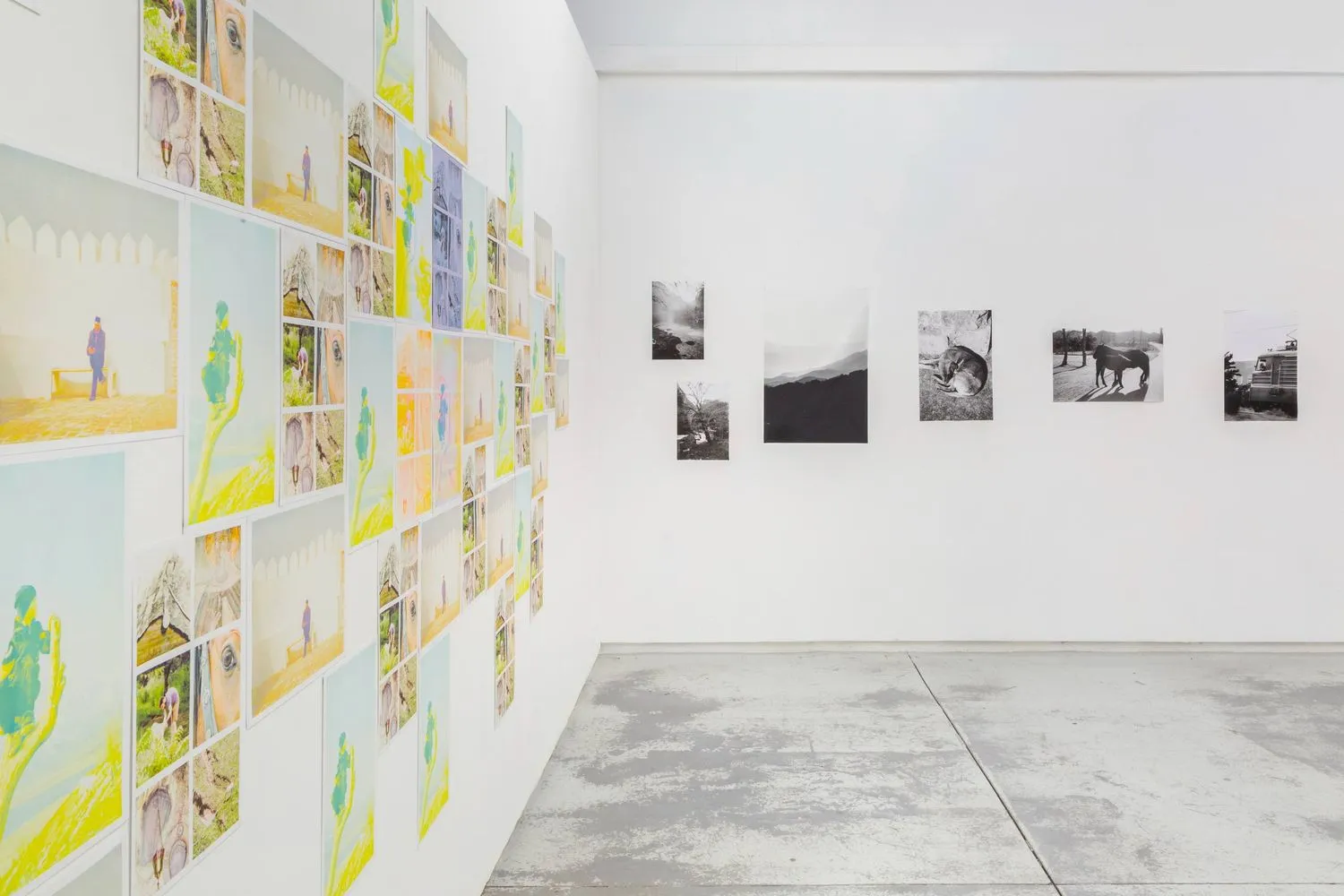
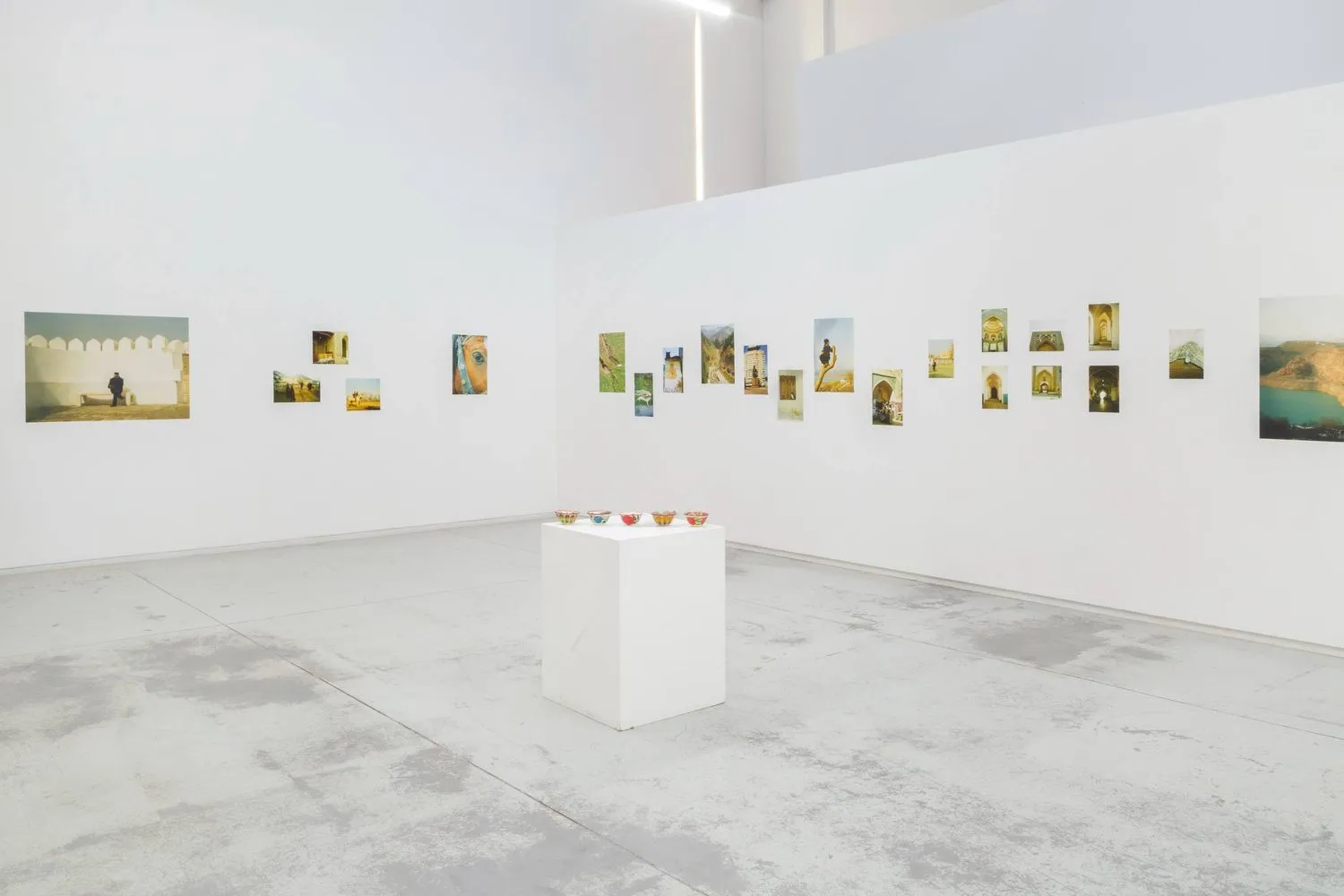
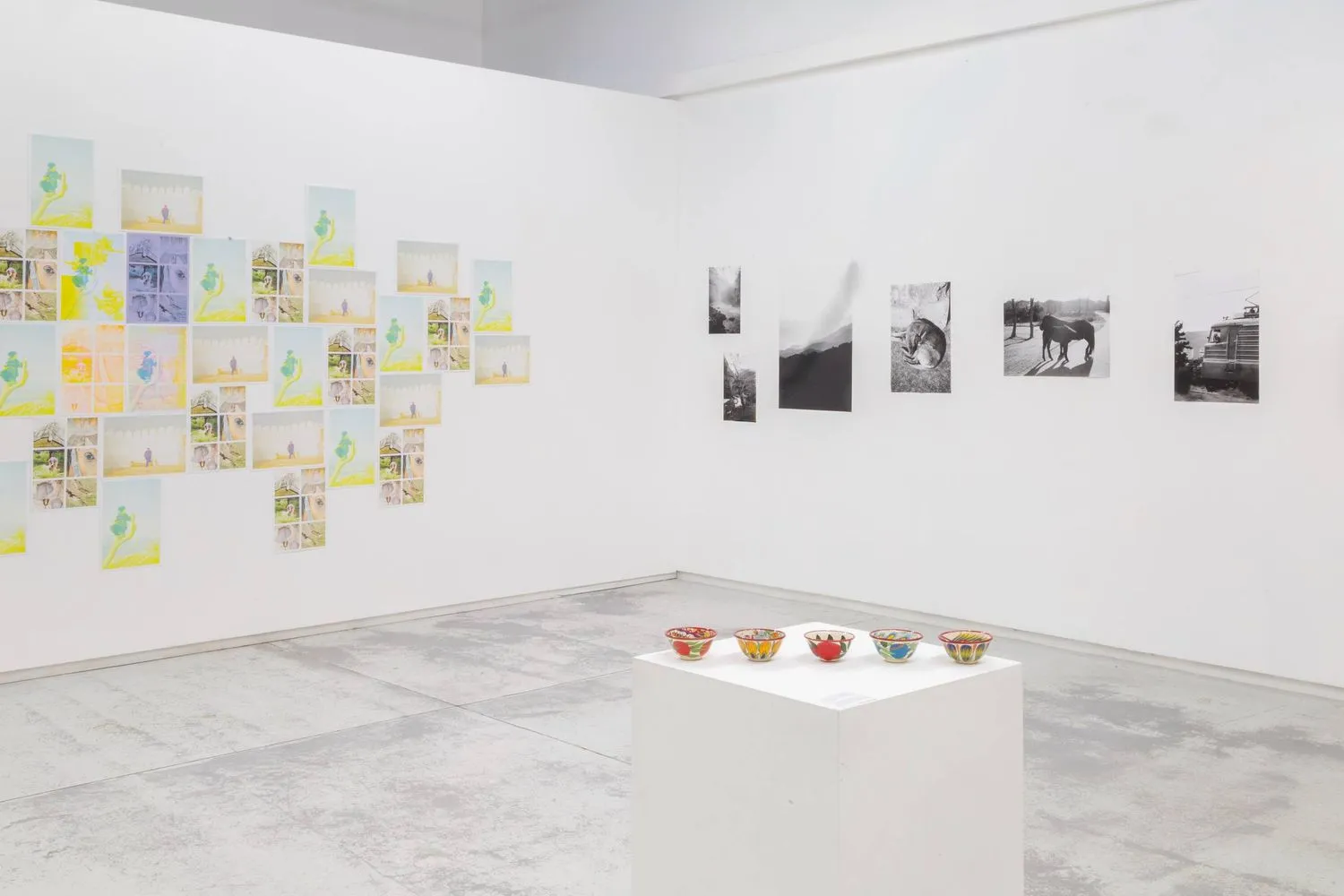
The exhibition reveals a continuous negotiation between image and material process, where each transformation changes how the photograph relates to the place it originally describes. Across film grain, layered ink, tonal reduction, and imperfect reproduction, Arlau treats the photograph as something continuously reshaped through time and recollection.
The exhibition is completed by ceramics from Bukhara, whose tactile presence enters into dialogue with the risograph prints. The connection is material: both resist smoothness, both carry the evidence of their making on their surface. It grounds the more abstract conceptual claims of the show in something physical and immediate.
Chromatic Terrains is on view at the Handbag Factory in London until June 9, 2026.