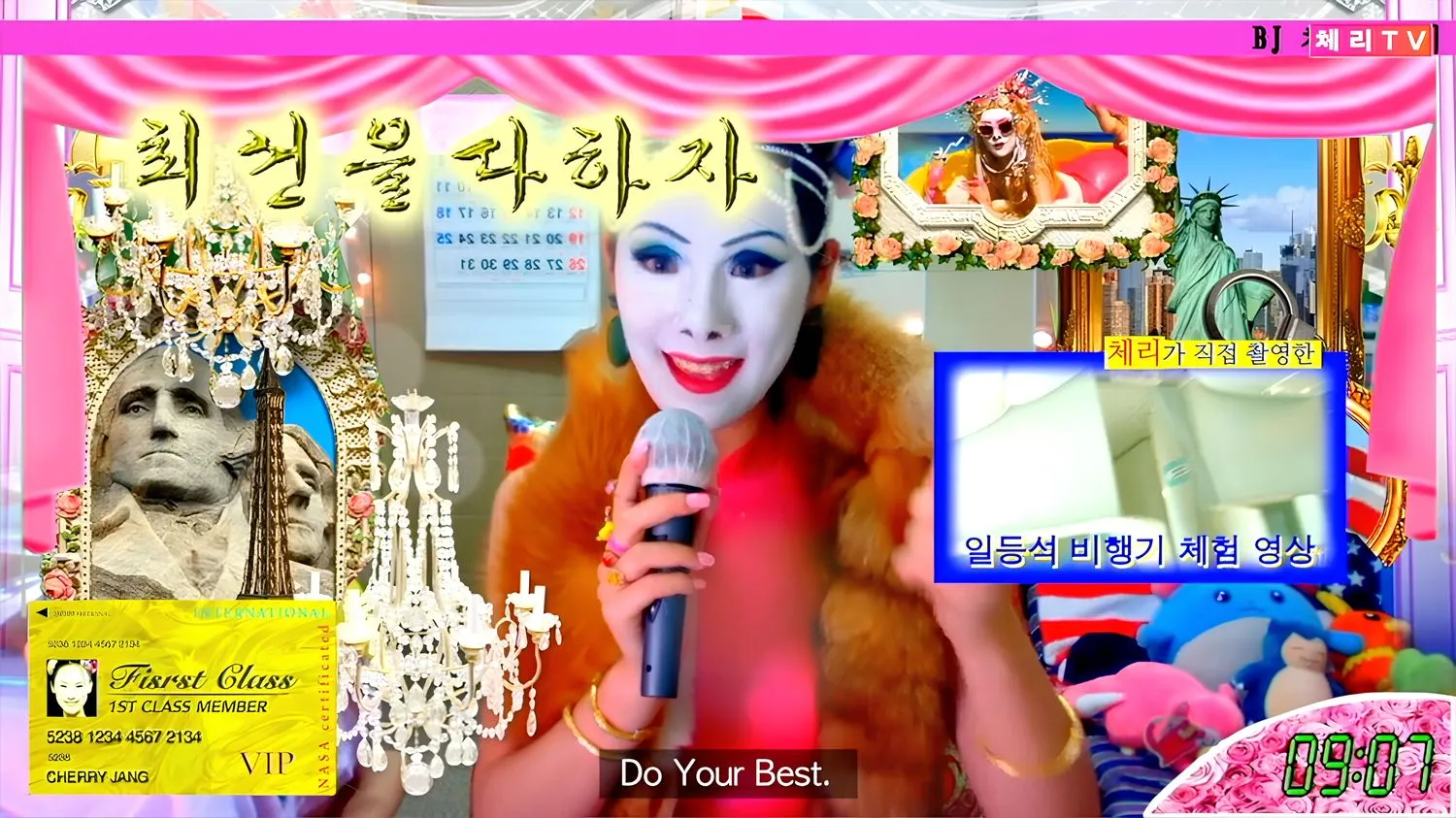

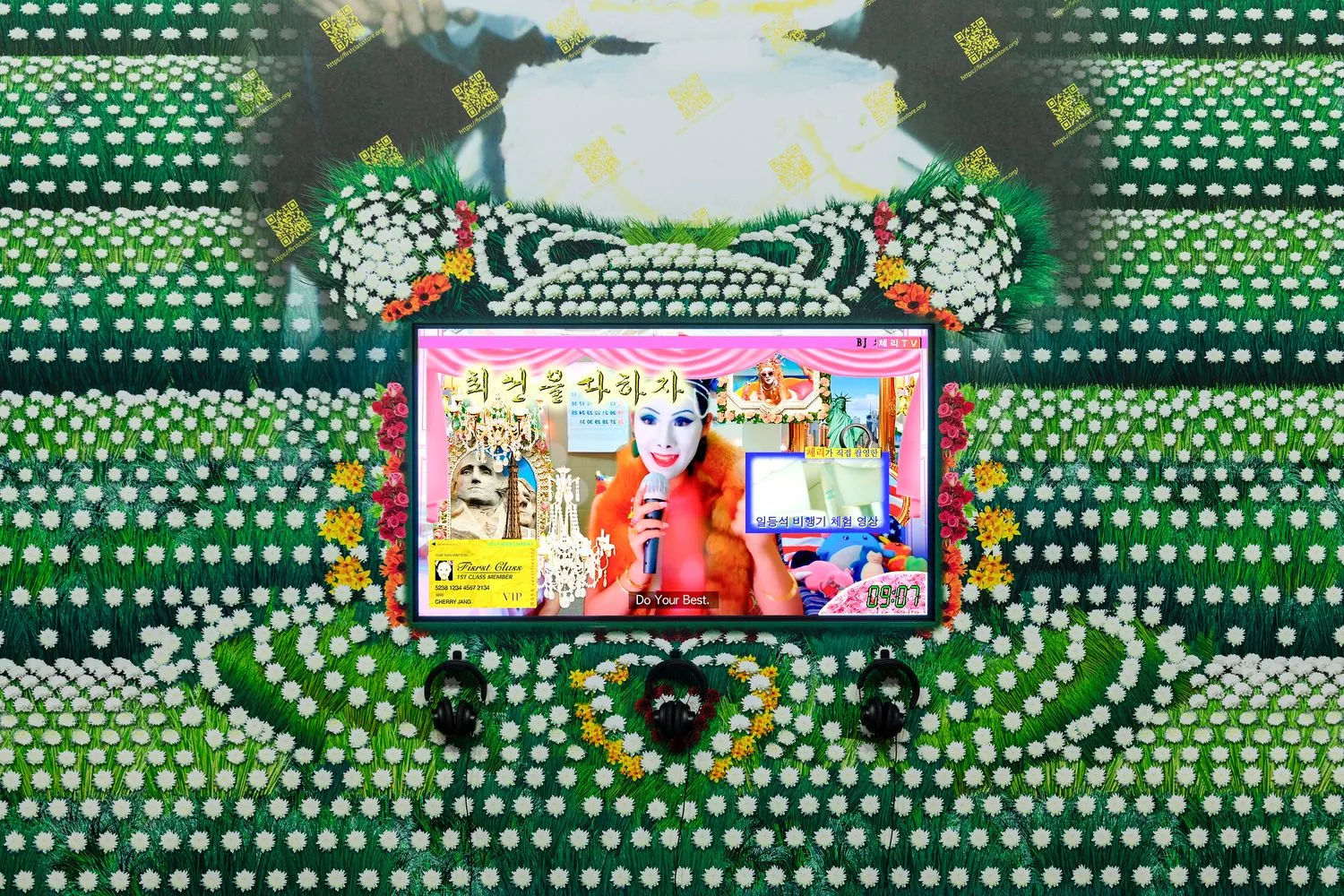
 Installation view of Sungsil Ryu's <BJ Cherry Jang 2018.9 (2018) at K-NOW! Korean Video Art Today at MASI Lugano
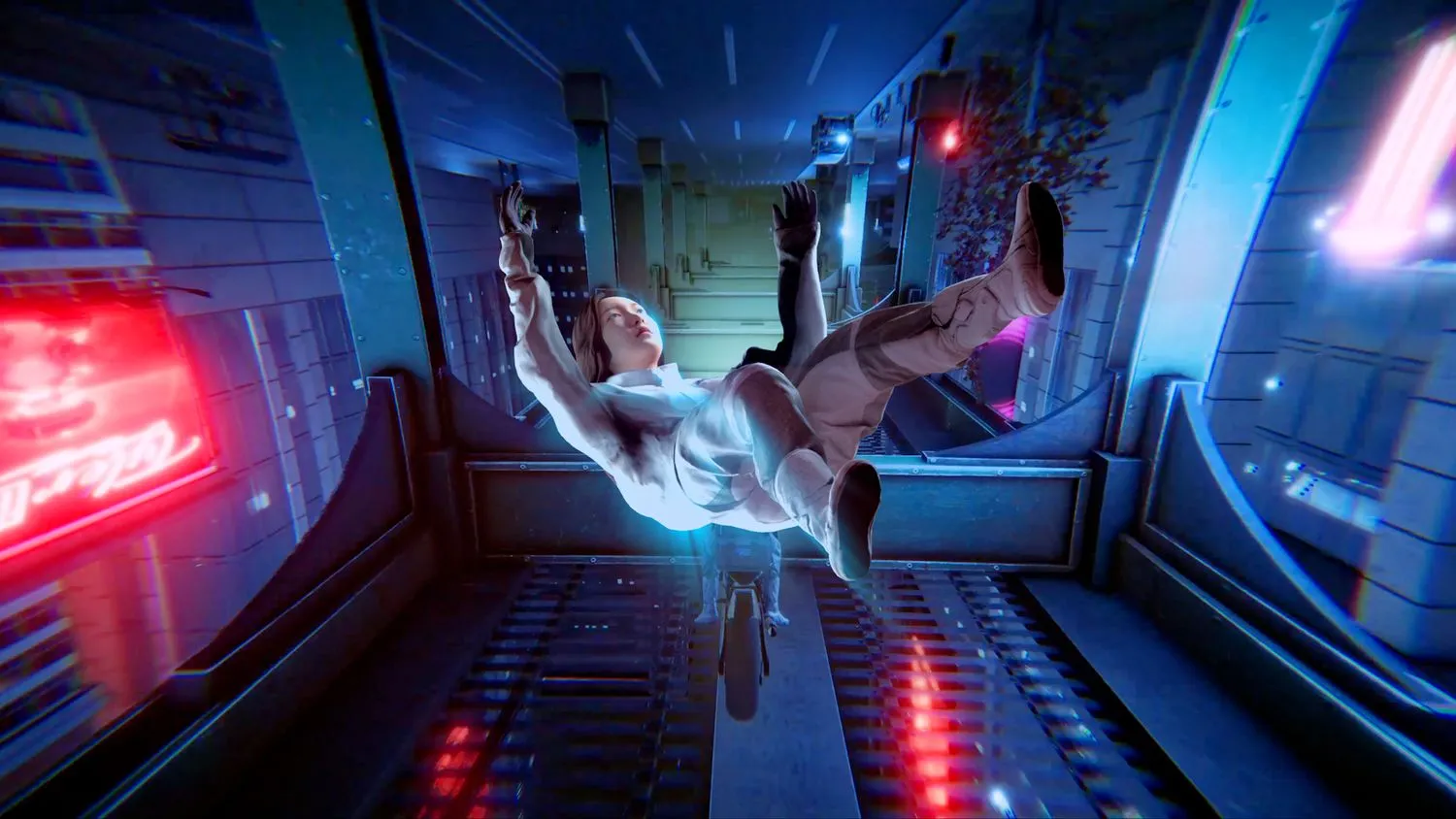
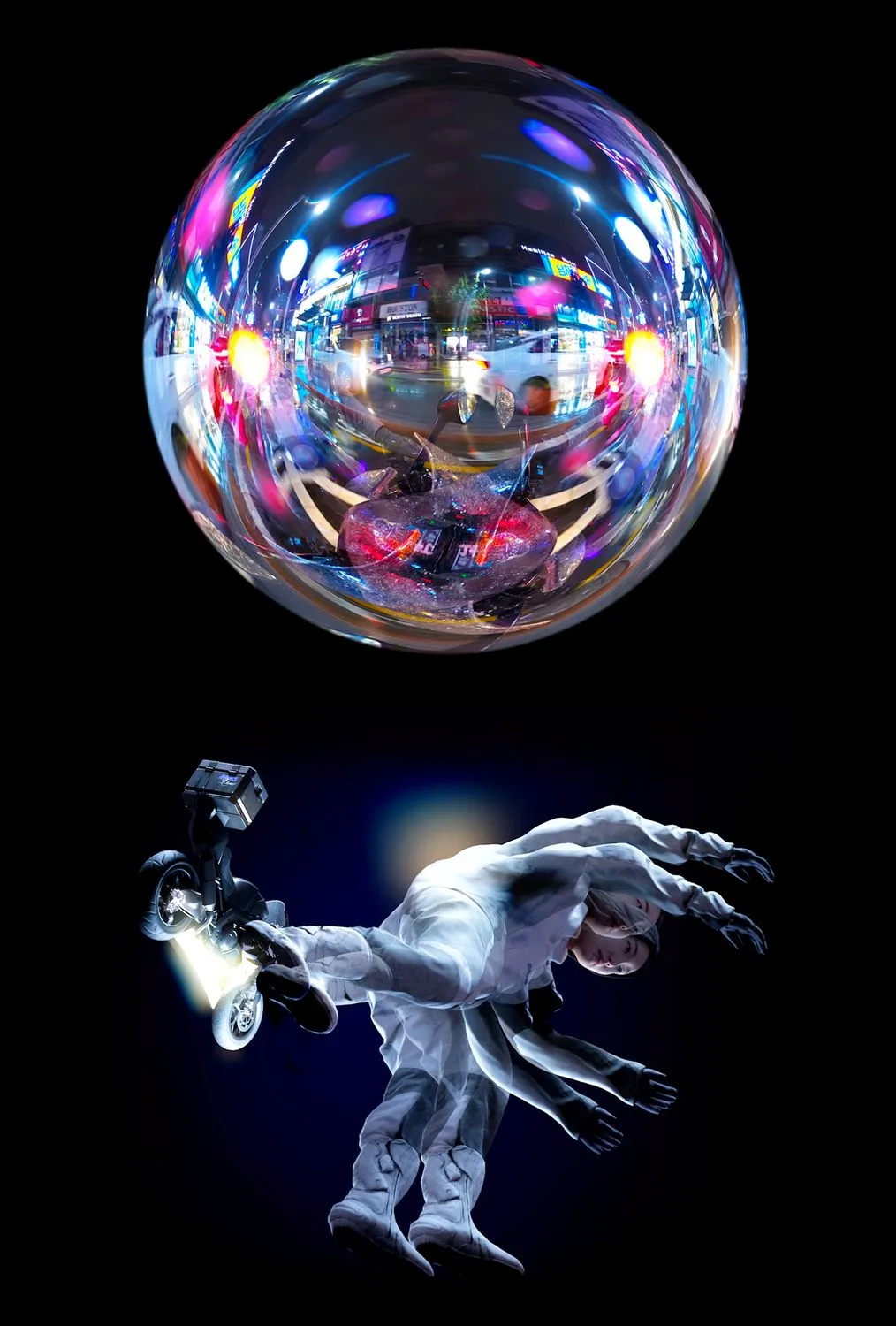
 In Ayoung Kim's Delivery Dancer's Sphere (2022), a young courier navigates Seoul on a motorbike through a city rendered as a glittering algorithmic landscape, with every movement tracked, optimized and monetized. Made during Covid, the work captures something that has only accelerated since: the logic of platform labor that reduces the body to a unit of measurable efficiency. The work is rooted in the particular frenzy of Seoul's delivery culture and the demands of a society built on speed and performance, but the gig economy it describes is a globally shared condition. Under platform capitalism, bodies are being absorbed into systems that promise flexibility and deliver precarity.
Kim's work is one of eight in K-NOW! Korean Video Art Today at MASI Lugano, an exhibition bringing together South Korean artists and collectives working with moving image, connected by a shared concern with how historical, technological, and political forces intersect in shaping memory, perception, and lived experience. Their practices are rooted in the specific history and social reality of their country: a nation that has undergone seismic transformation in the space of sixty years, from post-war devastation to economic powerhouse, while carrying the unresolved weight of a division that never officially ended. The works deal in precarious labor, colonial violence, the performance of identity under capitalism, borders both political and psychological, and much of what they surface resonates well beyond Korea's borders.
Since the late 1990s, South Korean popular culture, including K-pop, K-drama, K-beauty, and K-cinema, has spread across the world with remarkable force, becoming one of the most studied examples of cultural soft power in recent history. In its wake, international attention has increasingly turned to the country's contemporary art scene. The exhibition title K-NOW! plays knowingly on that K-prefix branding while acknowledging that the work it frames is not as easy to categorize.
Video has a specific history in South Korea that makes it central to this conversation. It entered the culture not as an extension of cinema but as something more politically charged—portable, reproducible, capable of circulating outside state-controlled media. In the 1980s, student collectives used it to document protests and everyday life under dictatorship, producing counter-archives that state television suppressed. The generation the exhibition focuses on, born between the 1970s and early 1990s, pushed that further: for them, video is not a discrete artistic genre but a condition of existence, a perceptual environment shaped by Korea's rapid assimilation of digital technology and the collapse of analog culture. In this exhibition the category of video art is porous: works arrive as multi-channel installations, VR headsets, monumental LED projections, single-channel screenings, a QR code embedded in the wallpaper, reflecting how profoundly the medium has been transformed by technological change. The medium resists fixed definition, much like the histories, identities and social realities these artists are trying to challenge.
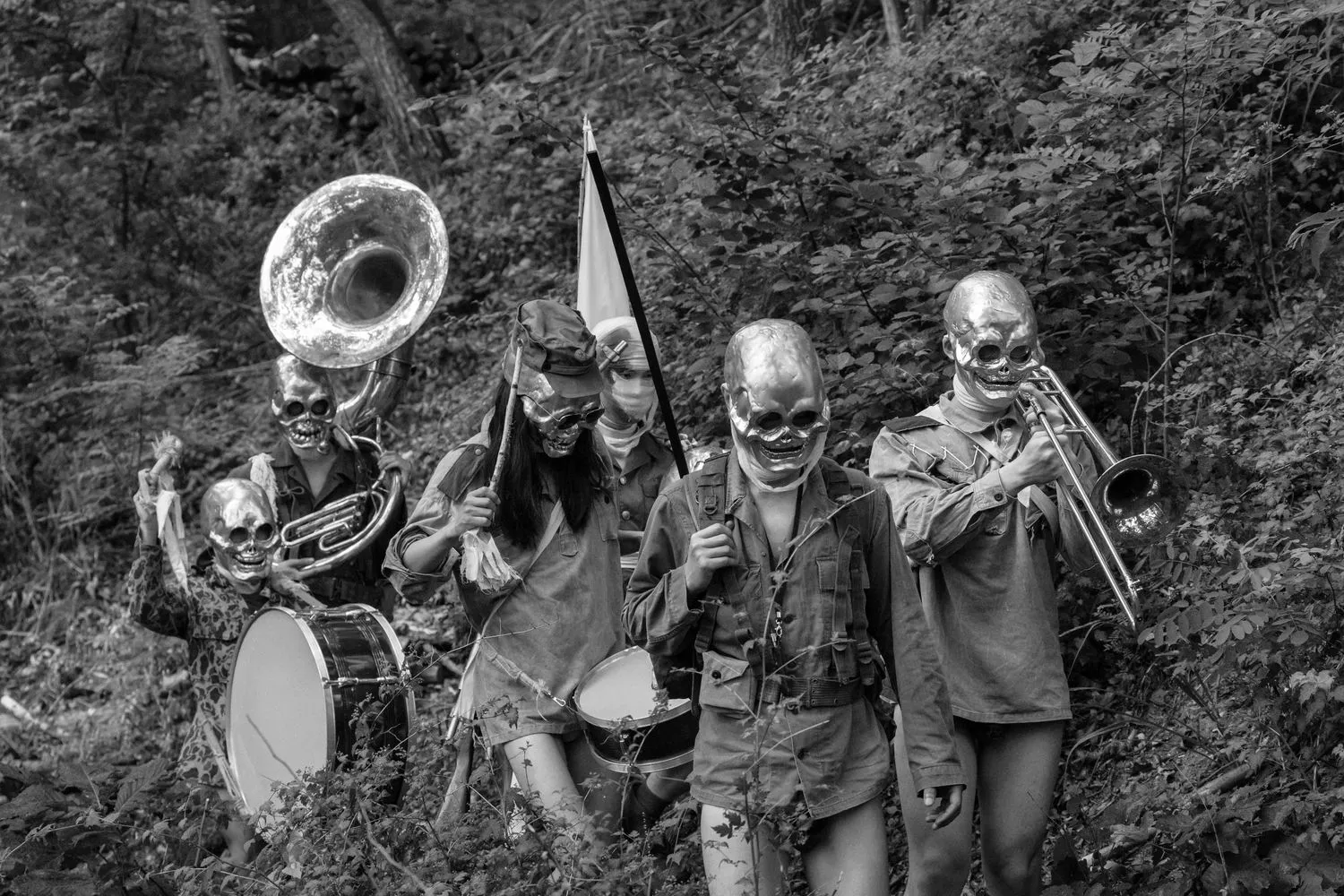
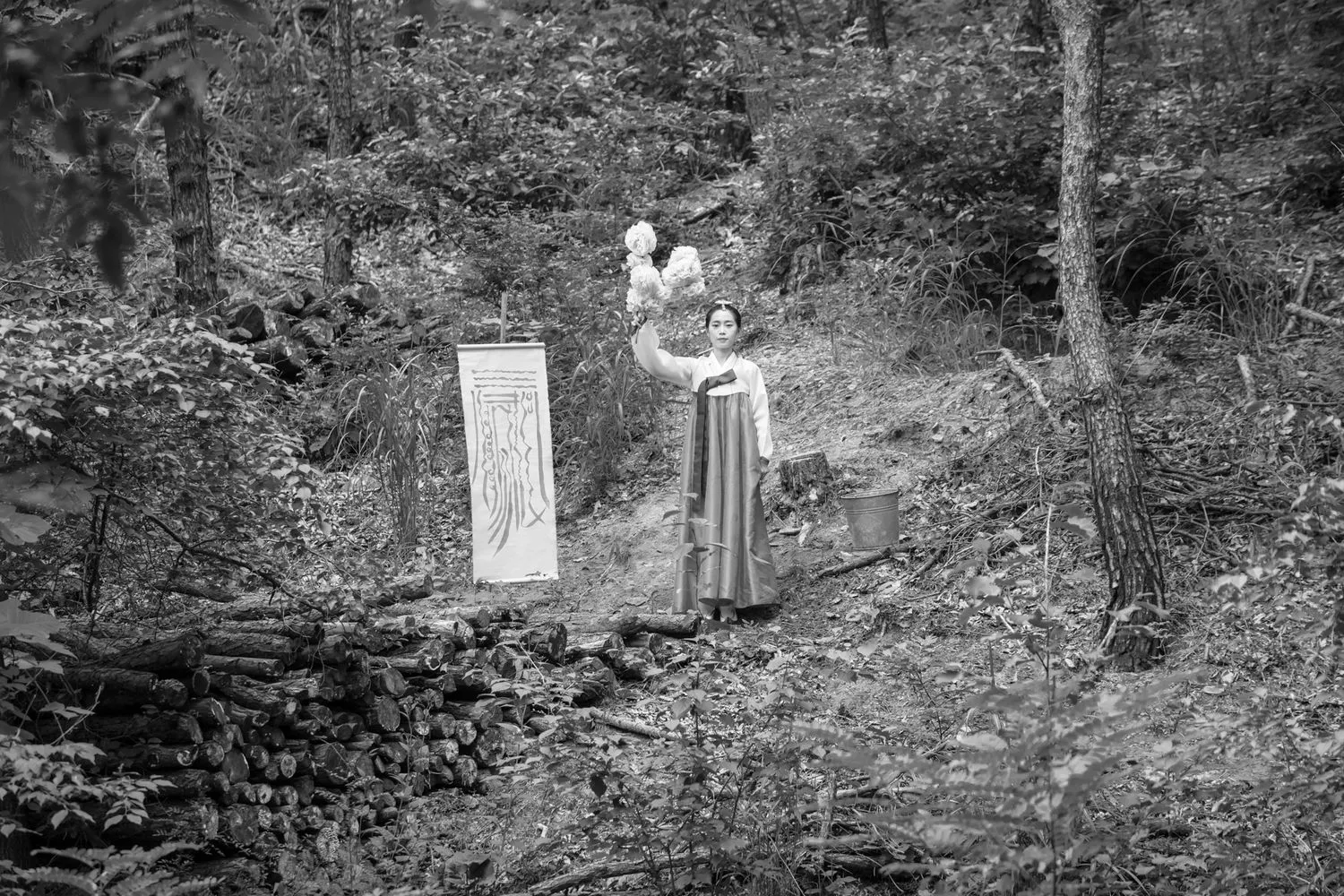
The exhibition opens with Chan-kyong Park's Citizen's Forest (2016), a three-channel panoramic installation whose horizontal format recalls the scroll paintings of traditional East Asian art. The work operates in a dilated, layered temporality that rewards patience and refuses a linear narrative. Shamanic ritual bleeds into collective mourning for some of the most traumatic events in recent Korean history: the Donghak Peasant Revolution, the Korean War, the Gwangju Uprising, and the sinking of the Sewol ferry in 2014, in which 304 people lost their lives, most of them high school students. These events are present as atmosphere, embedded in costume, ritual and immersive sound.
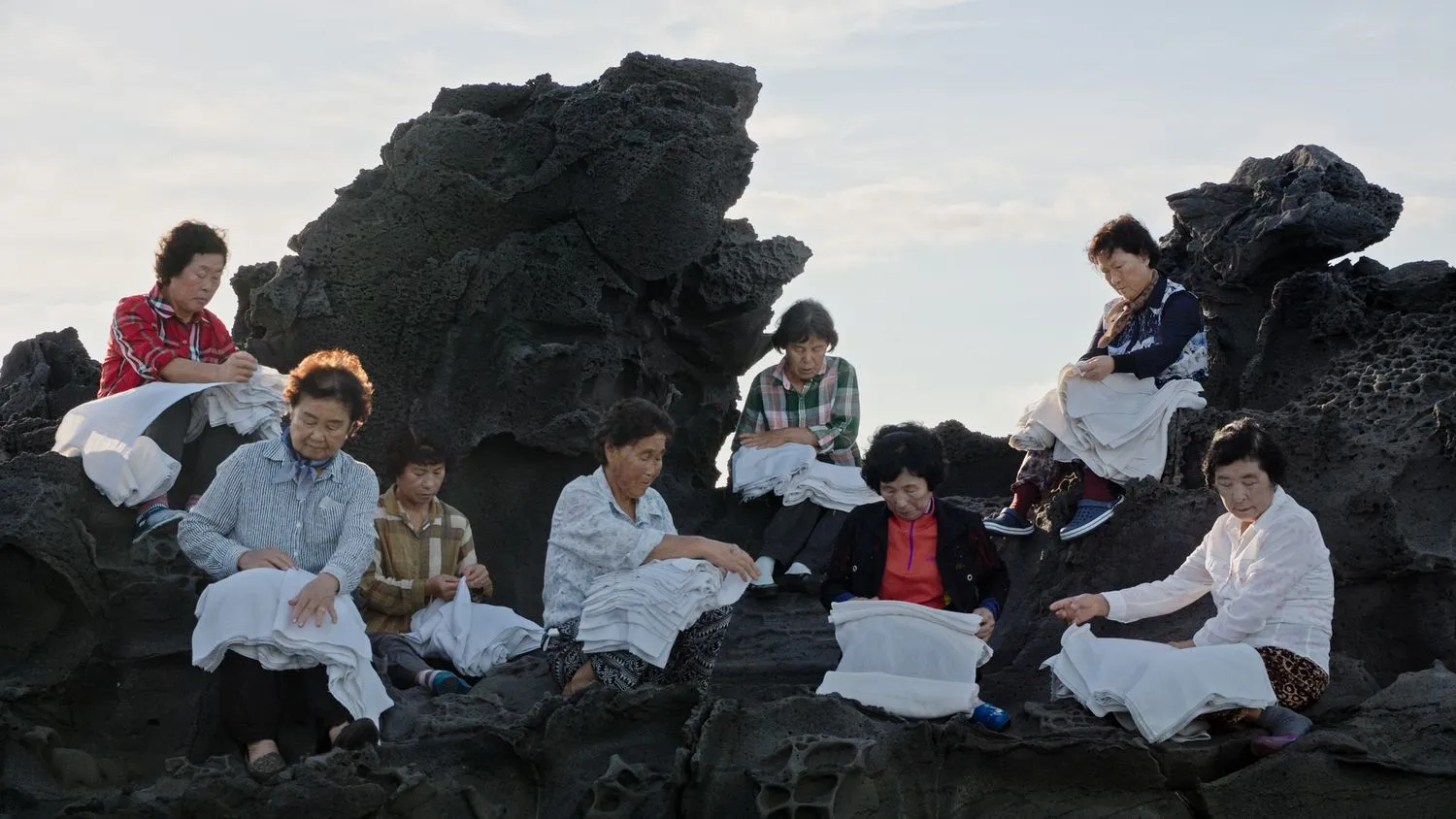
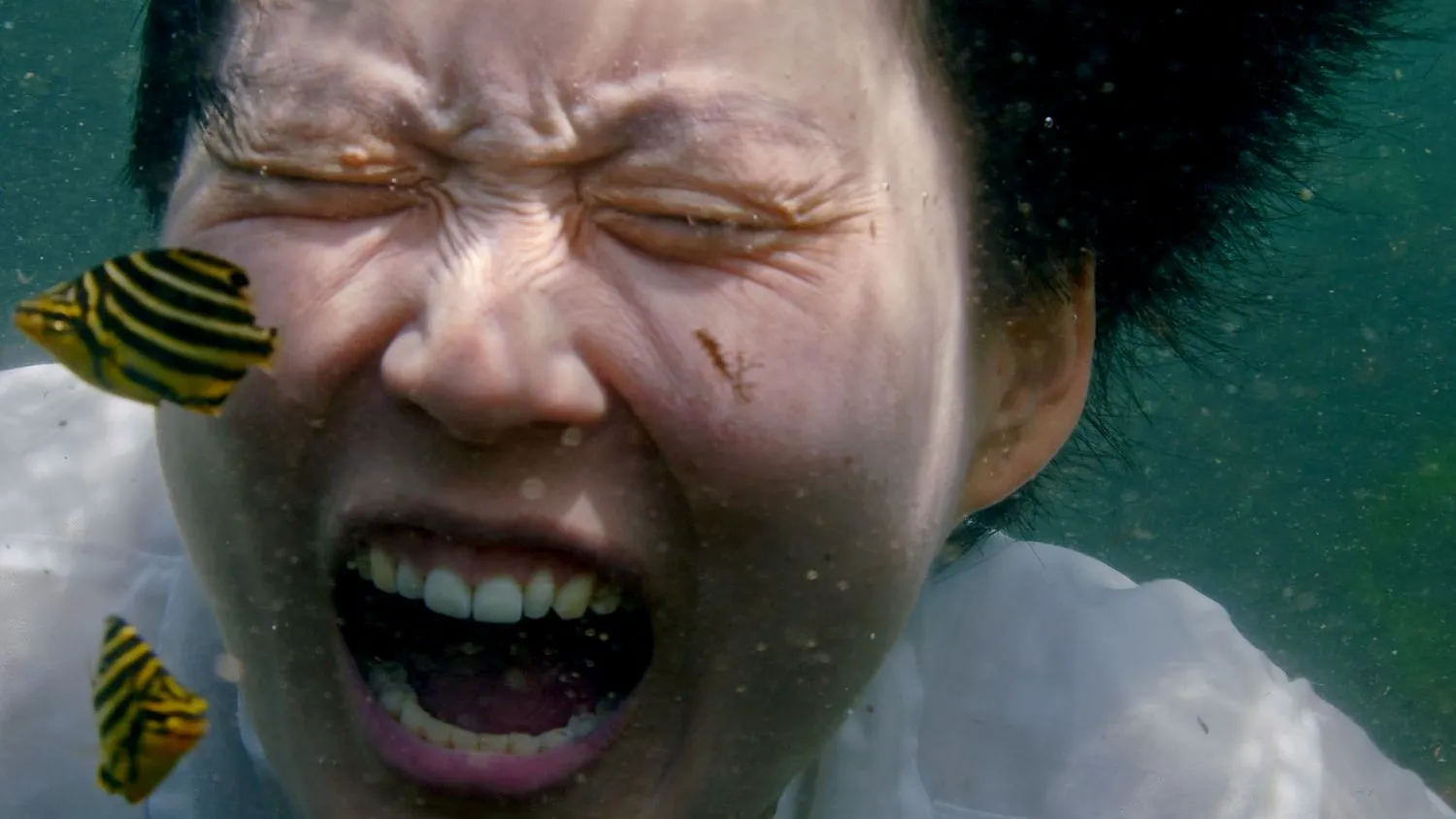
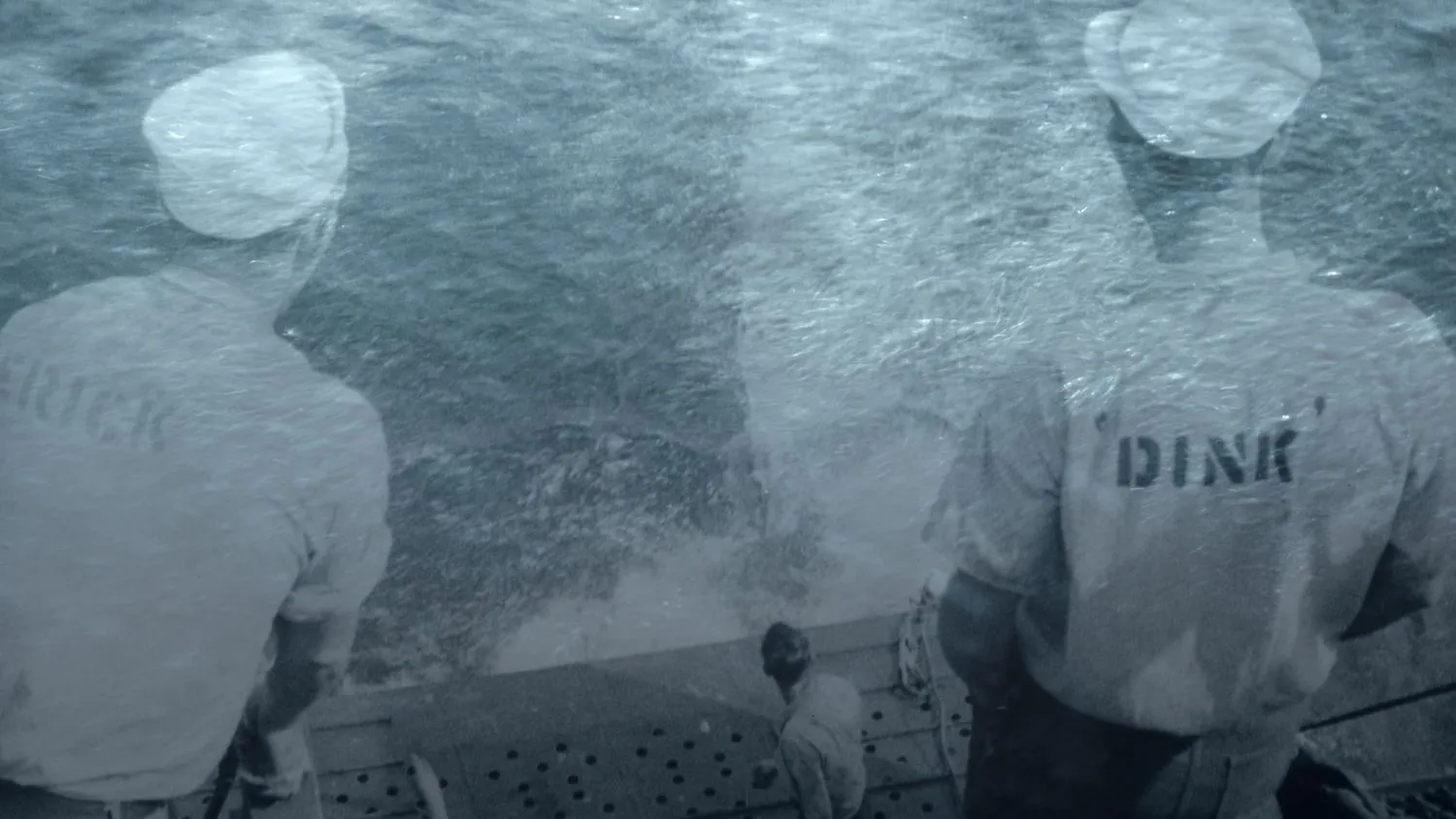
The exhibition closes, deliberately, with Jane Jin Kaisen's Offering (2023) and Wreckage (2024), works that share Park's concern with how unresolved histories persist in the present, and with video's capacity to hold what official narratives have buried. In Wreckage, underwater footage of the sea is superimposed with US military film from 1945 showing weapons dumped into the water after Japan's defeat. These images carry the weight of what followed: the April 3rd massacre of 1948, in which a quarter of Jeju's population was killed under the US military government. A lament by a late shaman, herself a survivor whose voice Kaisen documented over a decade, runs through the entire film.
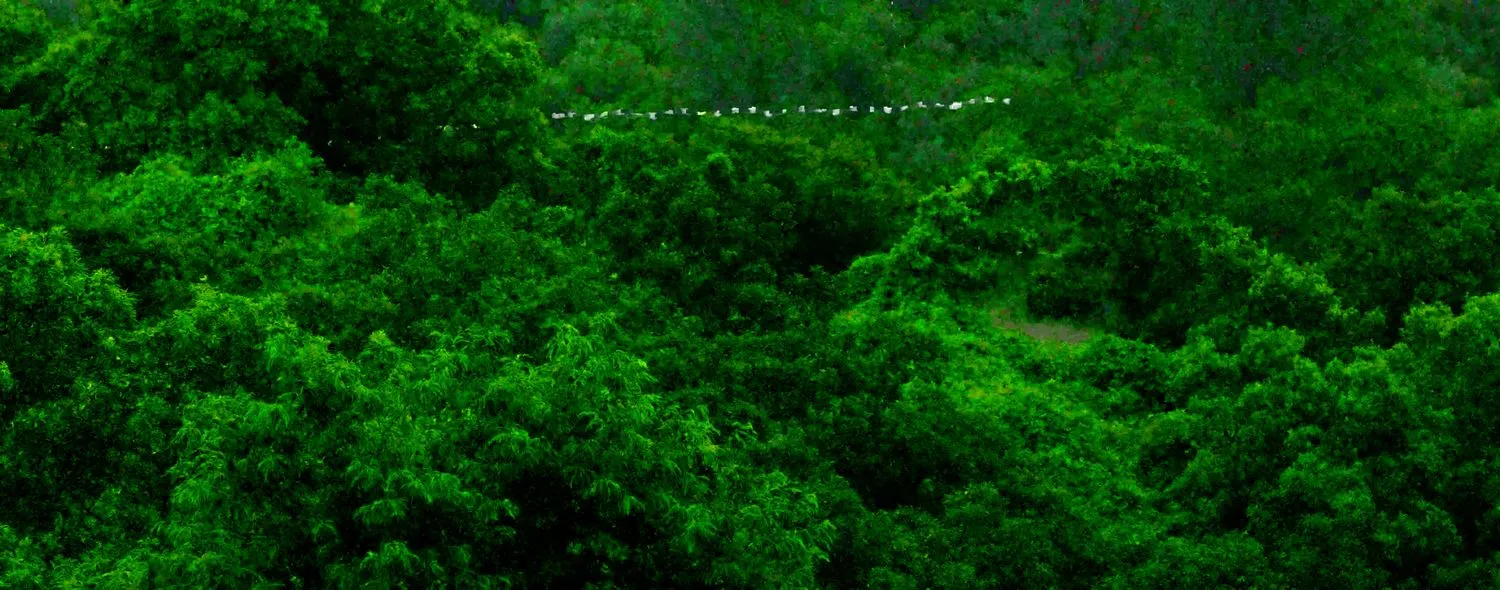
Sojung Jun's Green Screen (2021), which greets visitors in the museum foyer before they enter the exhibition, is equally concerned with the weight of unresolved history, shifting the focus to the present-day landscape it has produced. Shot along the Demilitarized Zone between South and North Korea, one of the most heavily fortified borders in the world, the video meditates on a landscape rendered inaccessible by political division. Paradoxically, it is also one of the most ecologically preserved landscapes in the world, with nature reclaiming what politics made uninhabitable. The video fills the screen with lush, hyper-defined natural scenery, the idyllic imagery periodically interrupted by glitches and distortions that expose the tension that lies beneath. Across these works, Korean identity emerges as something fractured and contested rather than unified and homogeneous.
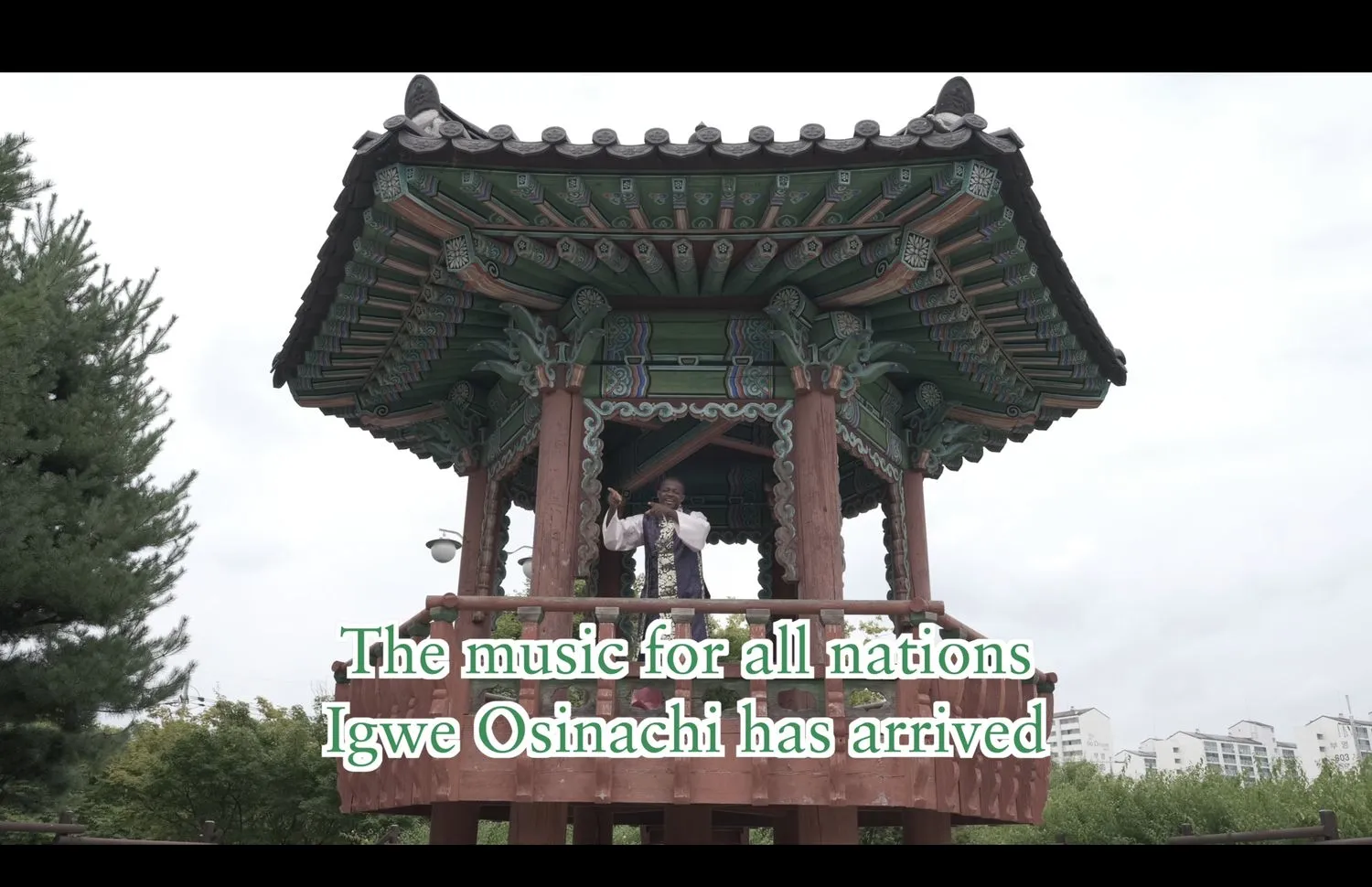
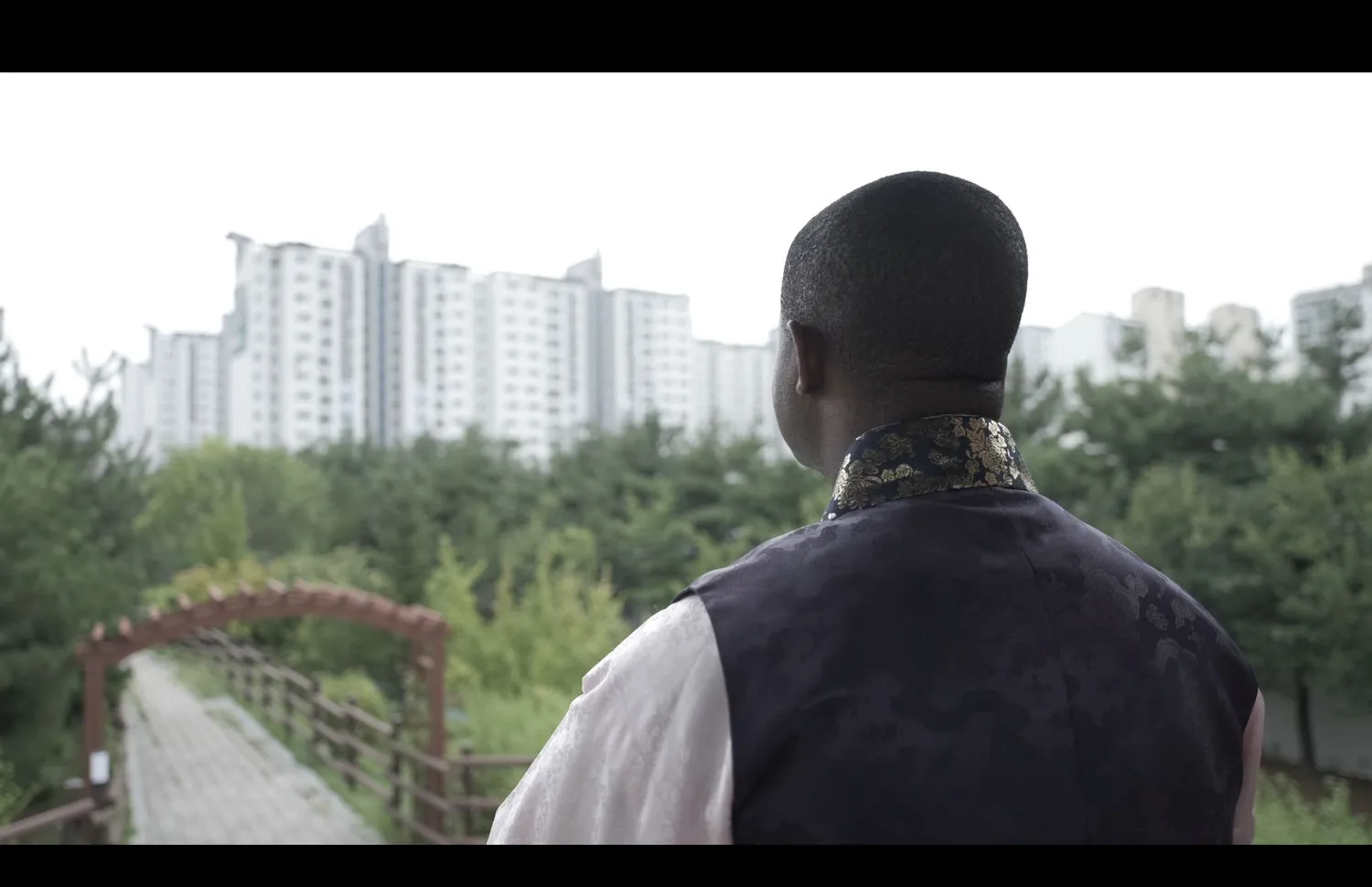
Onejoon Che's Made in Korea (2021) continues to question what "Korean" means, proposing a more porous, relational model of Korean identity. Produced with Nigerian musician Igwe Osinachi, it takes the form of a music video addressing the presence of African migrants in Korea—a community tied to the two regions' entangled histories of Cold War ideology and labor migration, as well as South-South solidarity. Presented on a screen built into a wall installation featuring rows of LP covers, the work is light in register but pointed in its politics.
Sungsil Ryu's BJ Cherry Jang (2018) approaches identity as something performed and sold. The work centres on Cherry Jang, a fictional livestreamer through whom Ryu satirizes live-streaming culture. The aesthetic is deliberately garish: pink curtains, chandeliers, symbols of Western luxury and aspiration, the screen constantly layered with pop-ups and text. Through this visual overload, Cherry Jang sells her followers access to "first-class citizenship"—a status visitors can actually purchase by scanning a QR code embedded in the exhibition wallpaper. The work is funny and at times almost grotesque: a portrait of a society marked by fierce hierarchies and competition, where the promise of recognition is as central as it is elusive. It is also a mirror held up to the influencer economy more broadly, where social media platforms have turned the performance of status into a business model.
Like Ryu, Ayoung Kim works through speculative fiction, using it to probe the conditions of platform labor. Projected on a monumental LED wall at the centre of the exhibition space, Delivery Dancer's Sphere operates in the visual language of video games. After a system error splits protagonist Ernst Mo into two timelines, she encounters her own double, disrupting the system's logic. It is a world where the physical and the digital blur, and the body is the site where that tension plays out—a condition that 업체eobchae and Heecheon Kim explore further.
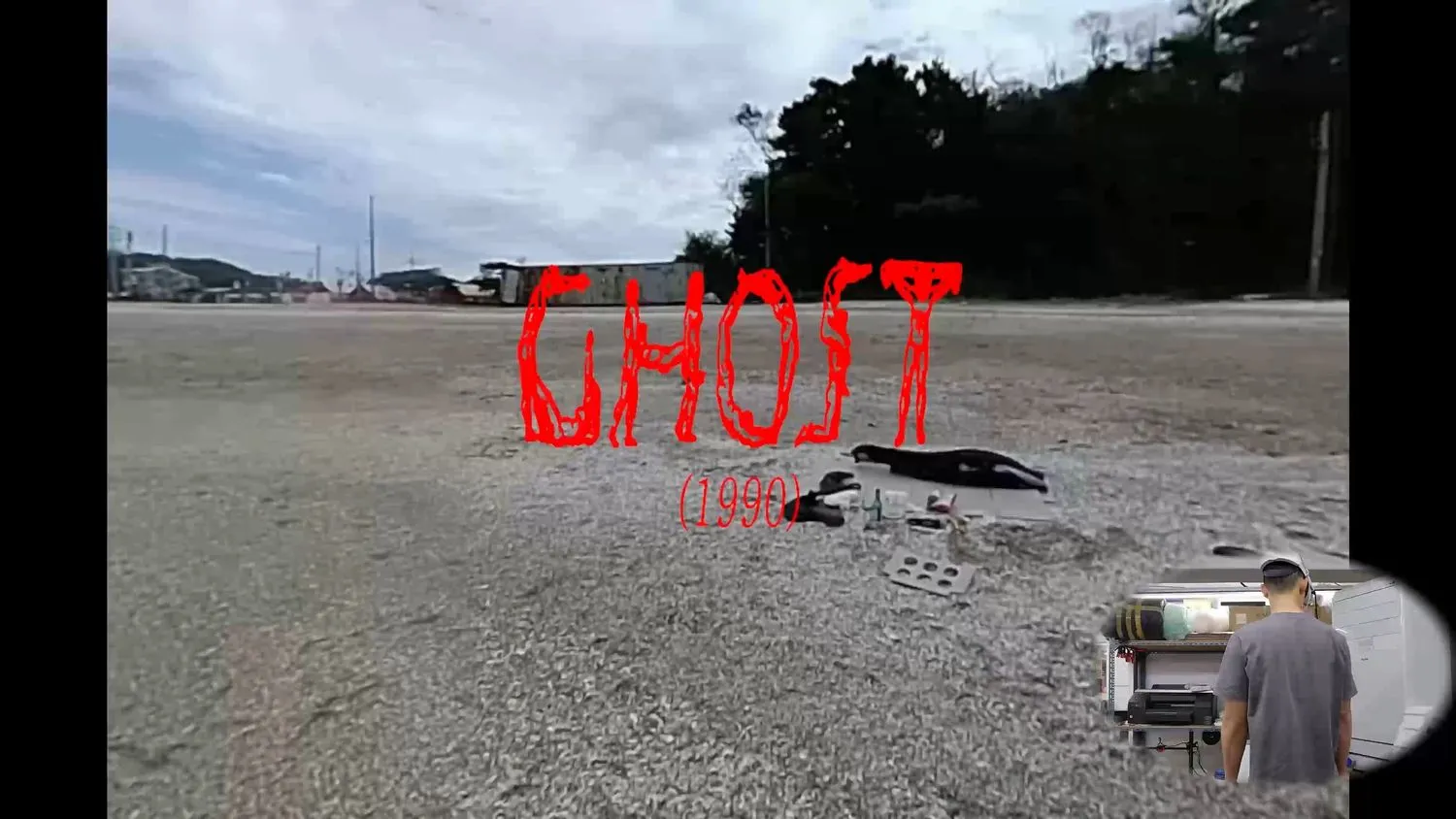
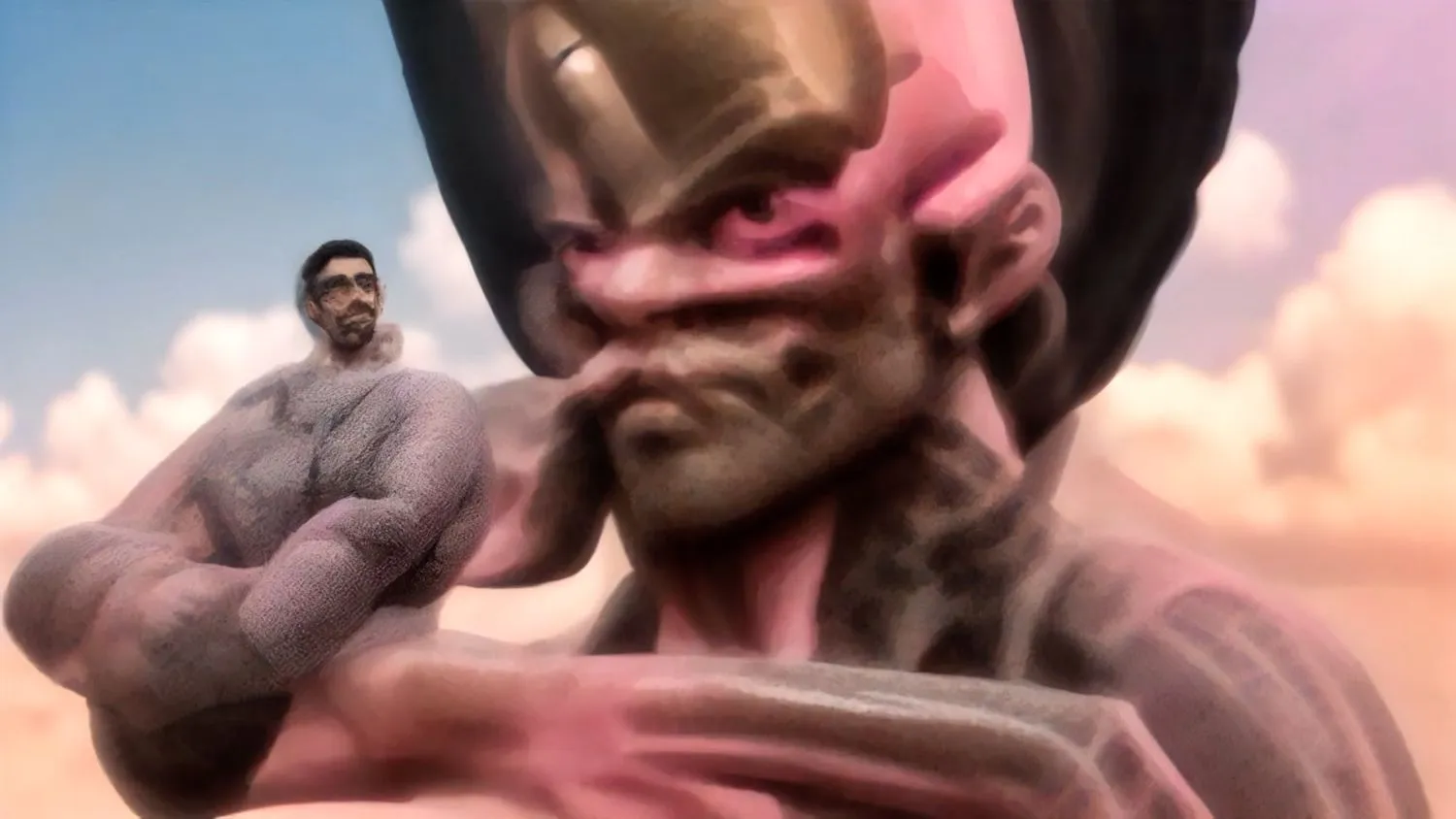
Korea's rapid technological transformation, from one of the world's least connected societies to one of its most digitally saturated in the space of a few decades, makes it a particularly acute site for these questions. 업체eobchae's ROLA ROLLS (2024) imagines a future without fossil fuels through a character who attempts to transform his own body into a self-sufficient energy-generating machine, while Heecheon Kim's Ghost1990 (2021), experienced through a VR headset, places the viewer inside the body of an injured athlete — a first-person immersion in vulnerability, obsession and the drive for physical control. Both works push the body to its limits, testing what it can absorb, generate and endure within systems that demand total optimization.
South Korea is a society where the myth of ethnic homogeneity remains politically potent, where nationalism has recently taken on harder, more exclusionary edges, directed at migrants, women and anyone who disrupts the idea of a unified, pure national identity. The artists in this exhibition have grown up inside that pressure and are working against it: surfacing suppressed histories, proposing more porous models of belonging, exposing the systems that govern and exploit bodies. Korean experience here also becomes a prism, and what comes through the other side is recognizable and urgent. Ethnic nationalism, anti-immigrant sentiment, the suppression of inconvenient histories, the commodification of identity, the exploitation of bodies by economic systems are not Korean pathologies—they are conditions of a political moment shaped by late-stage capitalism that are only intensifying.
Curated by Francesca Benini and Je Yun Moon, the exhibition K-NOW! Korean Video Art Today will be on view at Museo d'arte della Svizzera italiana in Lugano until July 19, 2026.