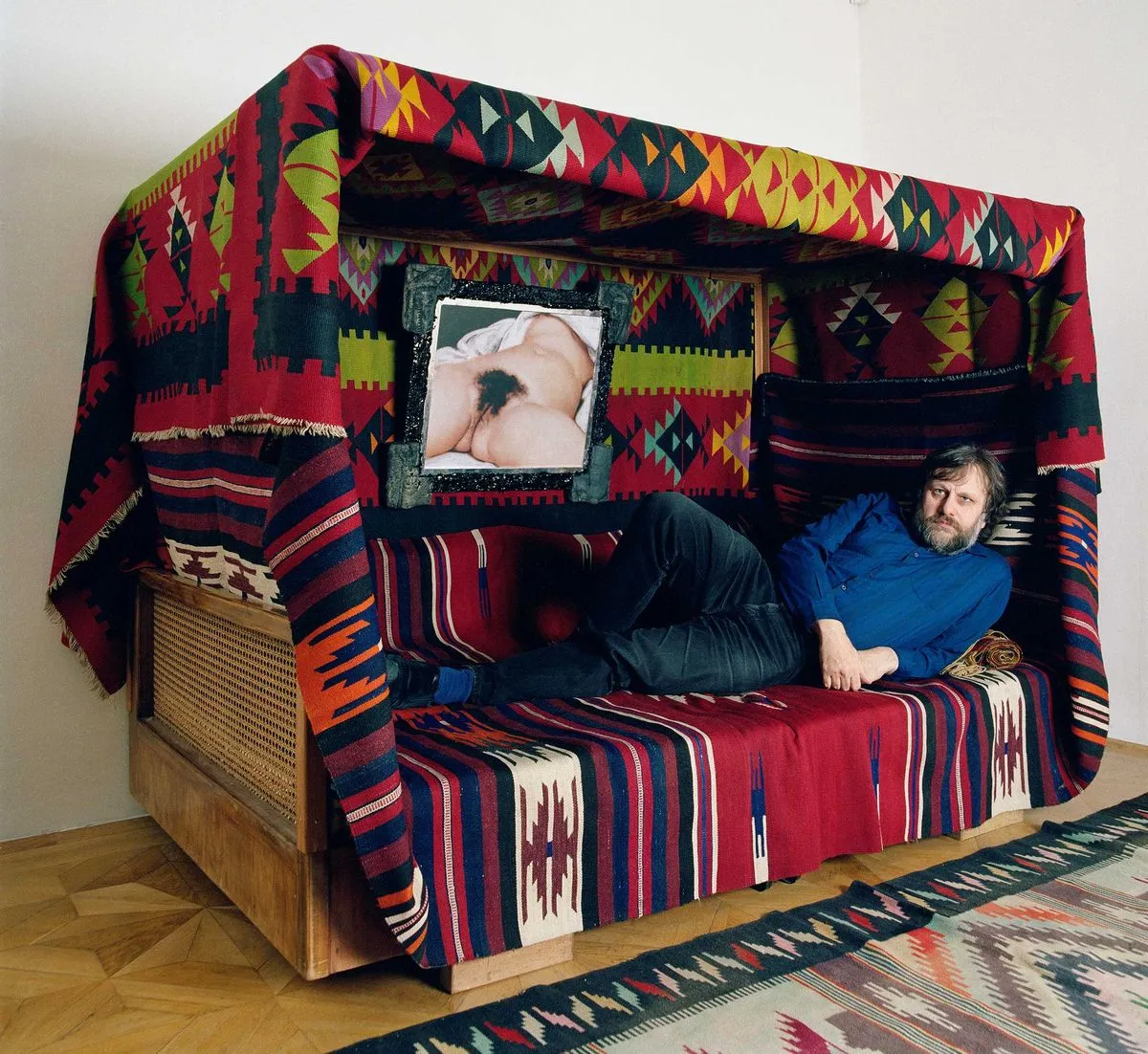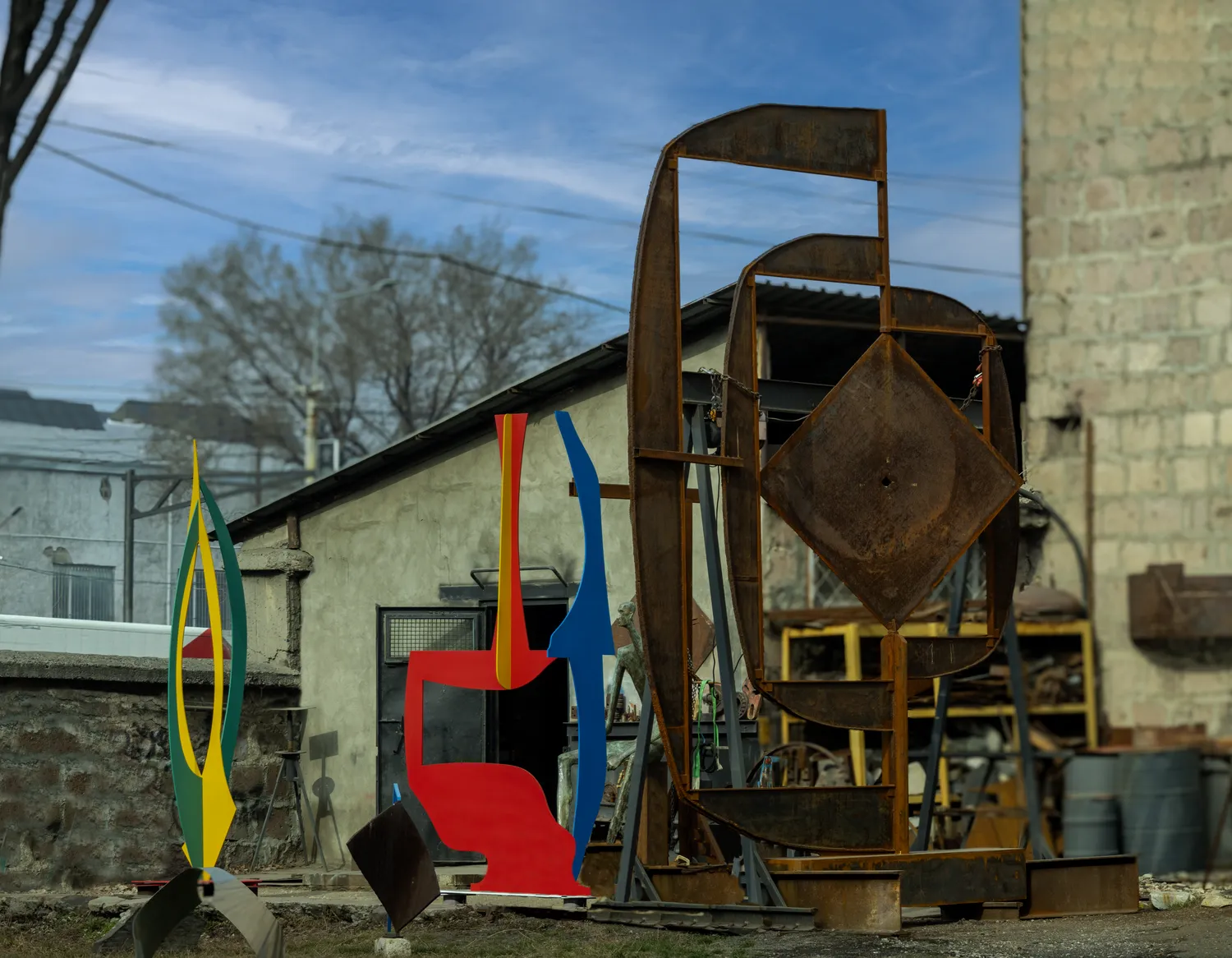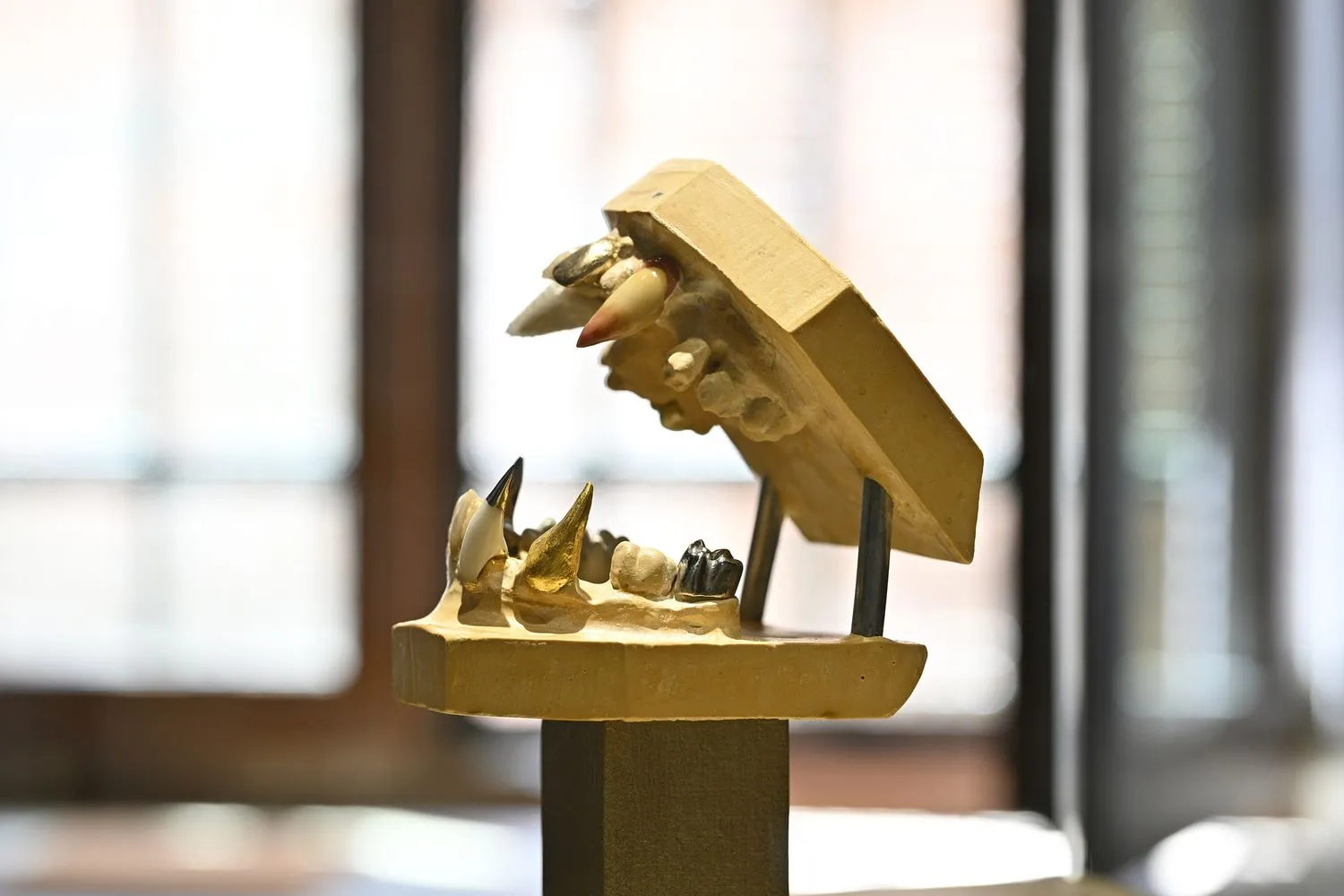

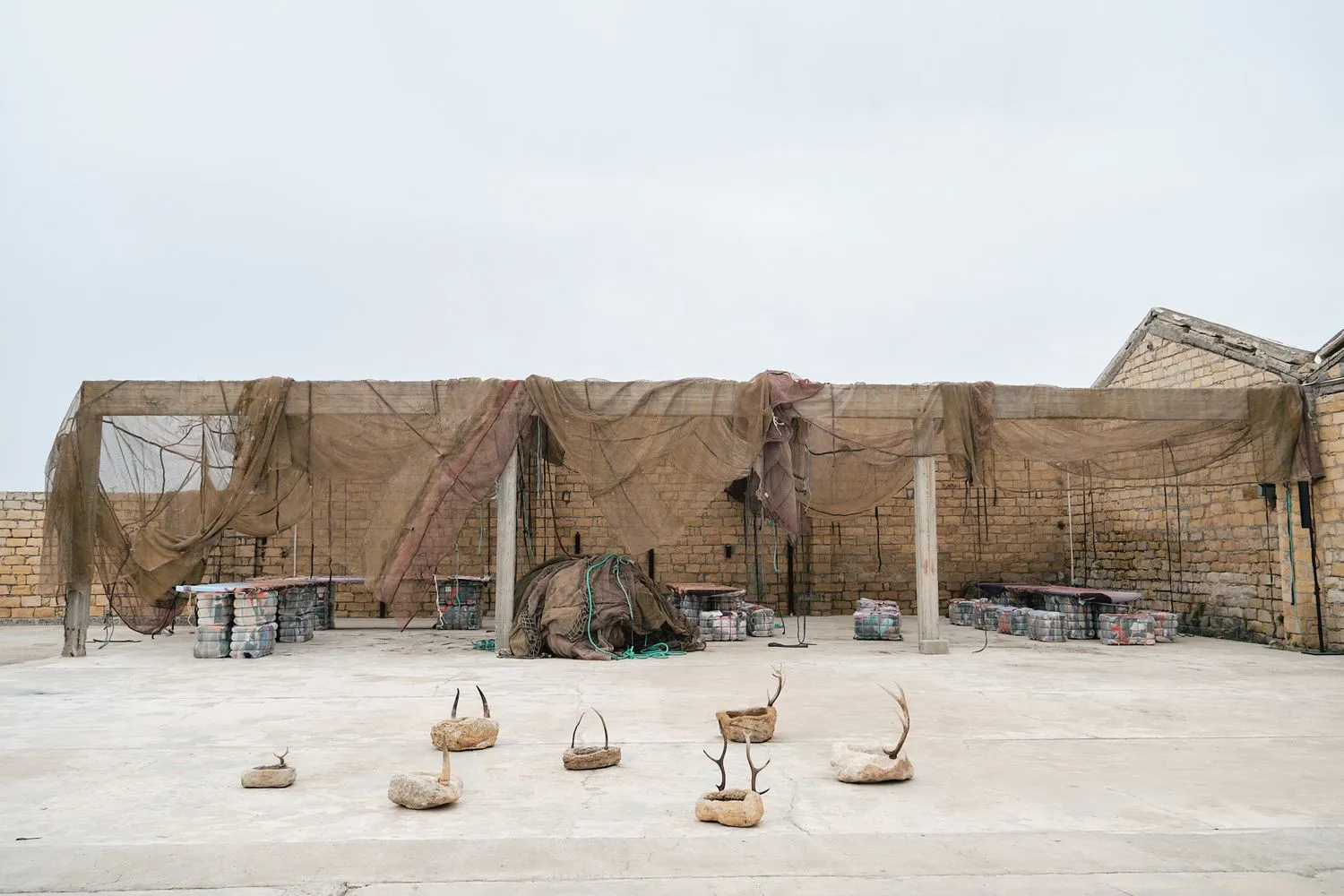
 Serapis Maritime, MOTHER TRADE 3 ( I love My Boat), 2026. The Waves Crashing curated by Kostas Stasinopoulos VIMA Art Fair 2026, Limassol Cyprus. Photo Daria Makurina
 Returning for its second edition, Vima Art Fair in the coastal city of Limassol, Cyprus has this year expanded with new programmes, content and further reach. The fair aims to gather the many communities in the region, as geographically, Cyprus has always acted as a cultural crossroads. Targeting the Eastern Mediterranean and its surrounding regions, the fair gathers artists and galleries from Armenia, Lebanon, Egypt, Greece, the UAE, Turkey, Latvia Cyprus, and many more. New initiatives such as a children's programme, by the fair's museum partner A.G Leventis Gallery supported by Savallos, and a Public Acquisition Programme—which will see art acquired for public display across the island—were also added this year.
Staged May 15-17 at The Warehouse by IT Quarter—a former industrial winery repurposed as a cultural venue—the fair presented 150 artists through 26 commercial and non-profit galleries from over 20 countries, and an extensive Parallel Programme spanning Limassol, Nicosia and beyond. Alongside the galleries showcase was special Curatorial Project The Waves Crashing by Greek curator Kostas Stasinopoulos, with a group exhibition and extensive film, performance and takeover programme.
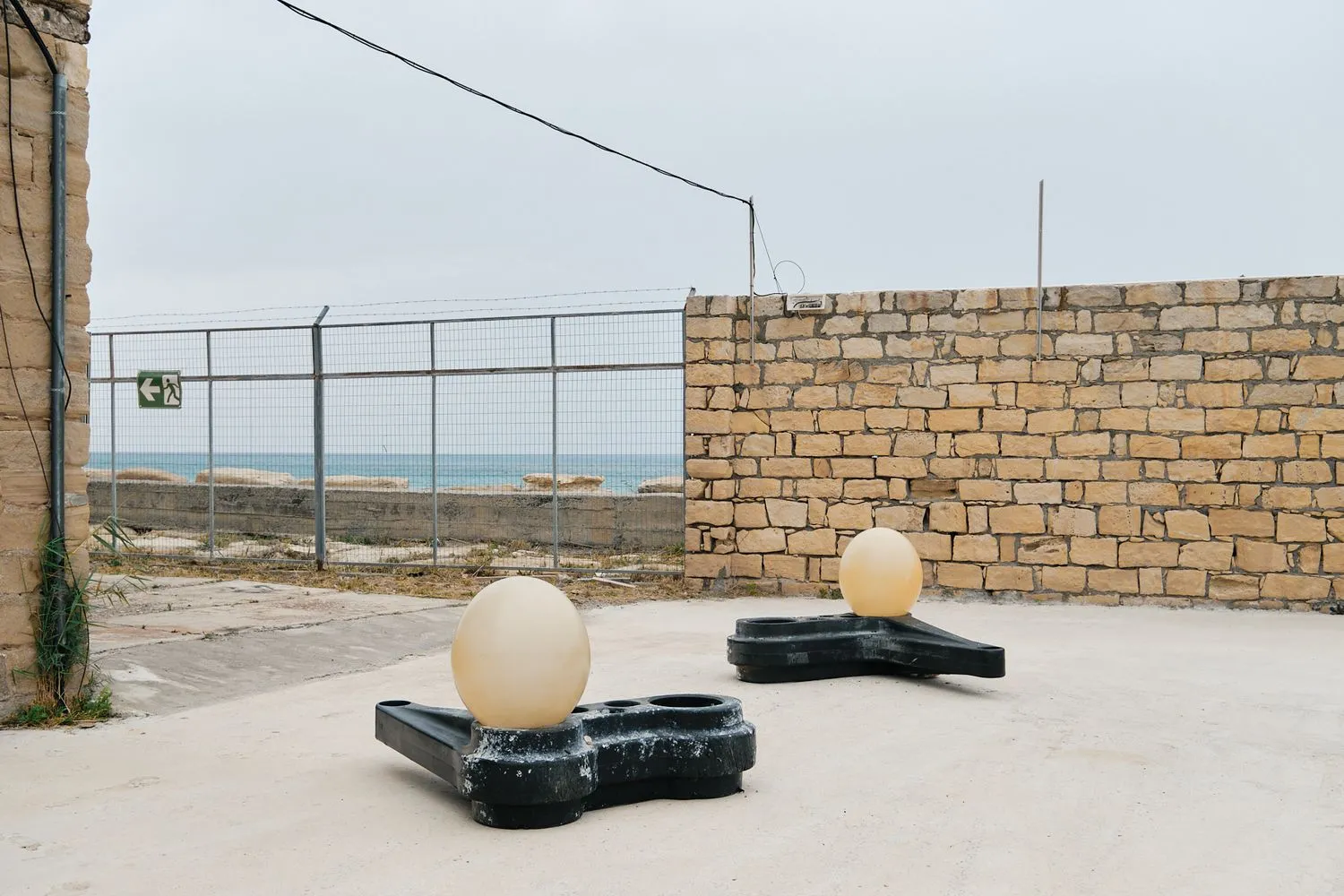
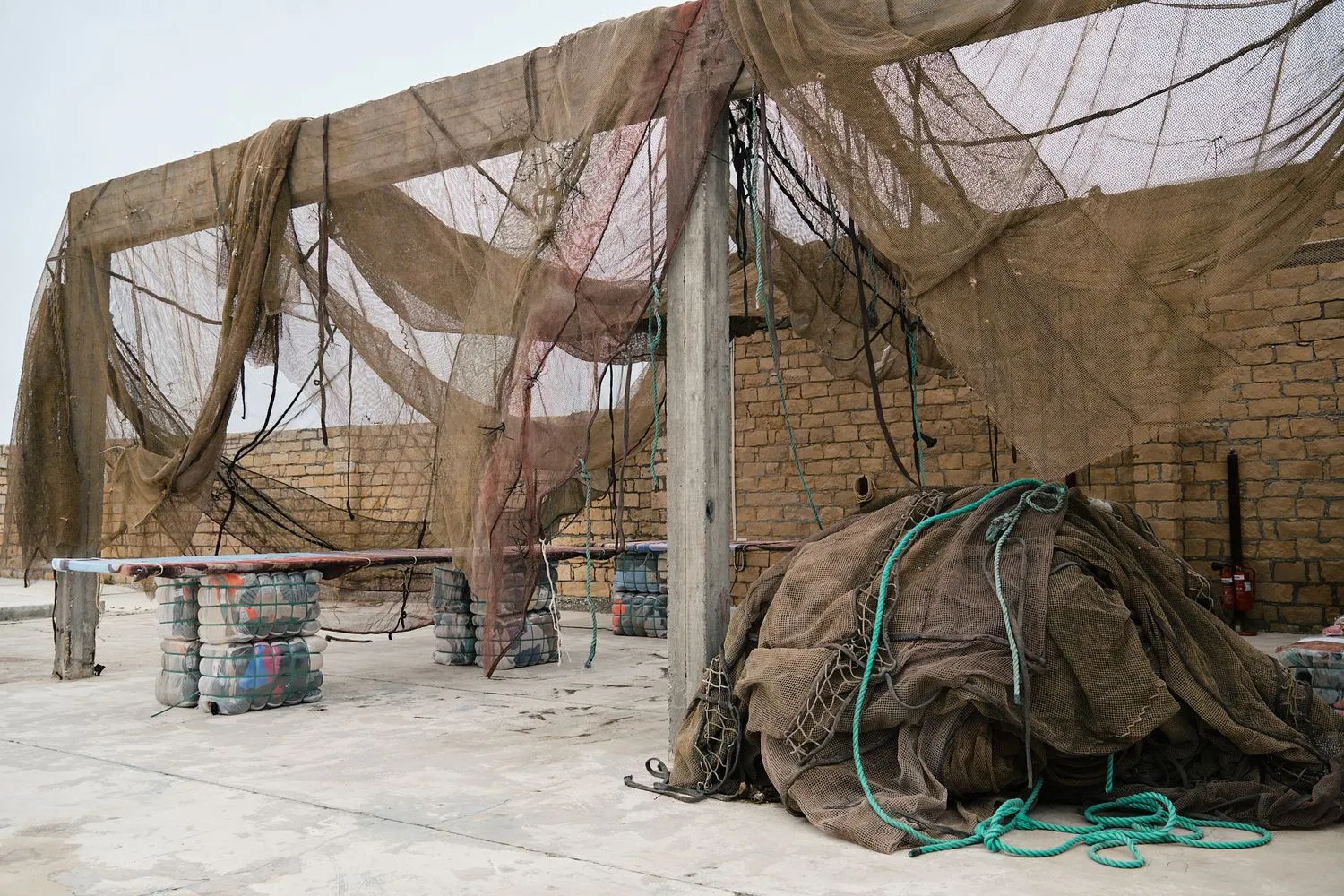
"We are by the sea, and in the middle of the Mediterranean, the Middle East, as well of other continents around us. So it's not just the 'waves crashing' in a romantic sense or as love for the sea, but people who are attuned to waves of migration; to waves of advancement that are sometimes invisible, and waves of feeling that can be deeply personal or collective," Stasinopoulos says. "We always think of change throughout history as coming in waves and they might skip a generation before we feel something."
"A wave might start here, and you never know how far it will travel or how strong the impact is. At the same time, we are recipients of waves—both very immediate, but also things that have happened many, many years before we arrived here in this moment," he adds. "Throughout the four days we see different ways of activating the stage, from dance to music to DJ sets."
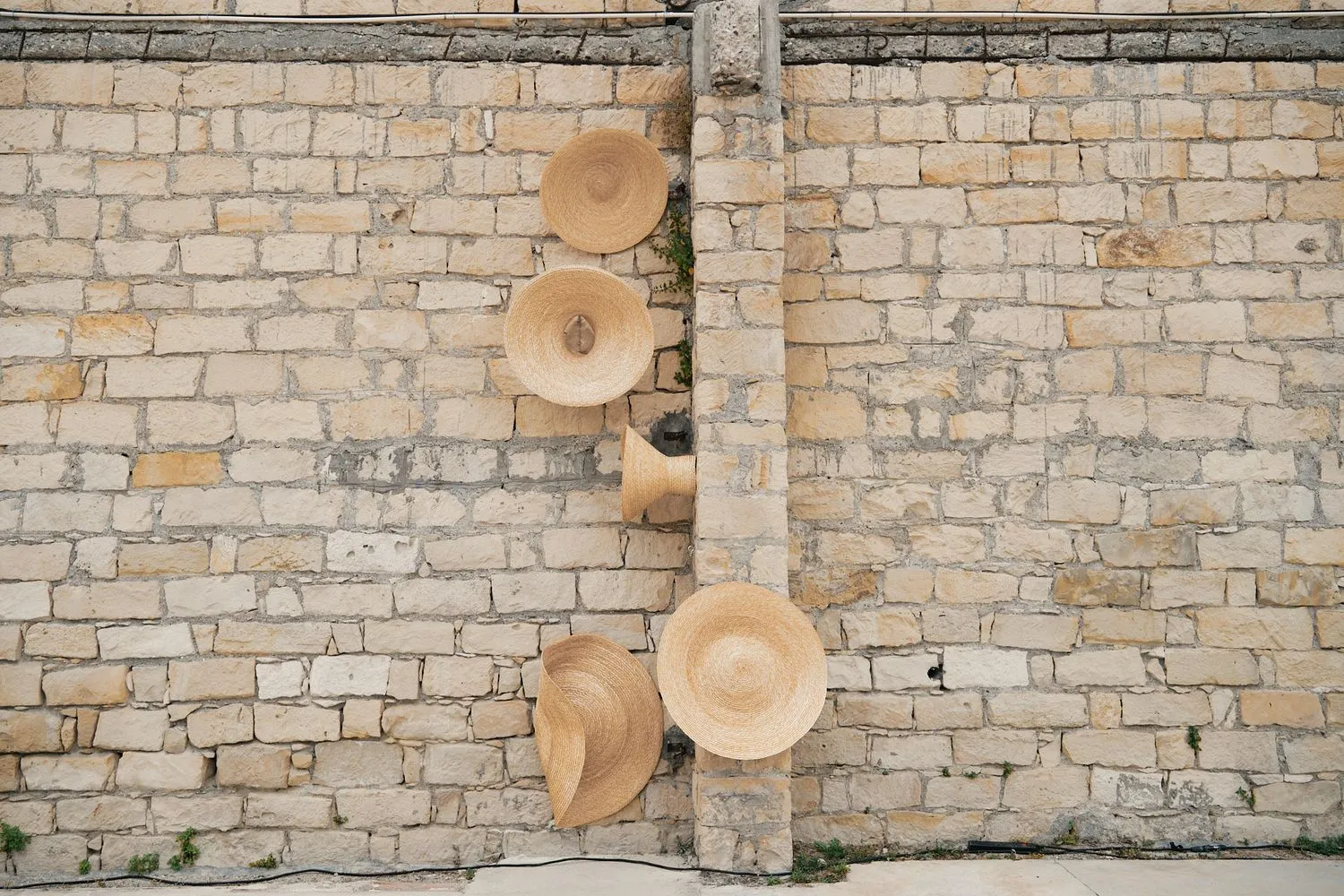
Highlights included Greek artist Chrysanthi Koumianaki's Antennas installation, formed from woven straw satellite dishes—a common sight across the region—that reimagines the unsightly urban necessity as artisanal adornments to the urban 'body.' The objects double as straw hats, worn by performers during a daily parade to the shoreline.
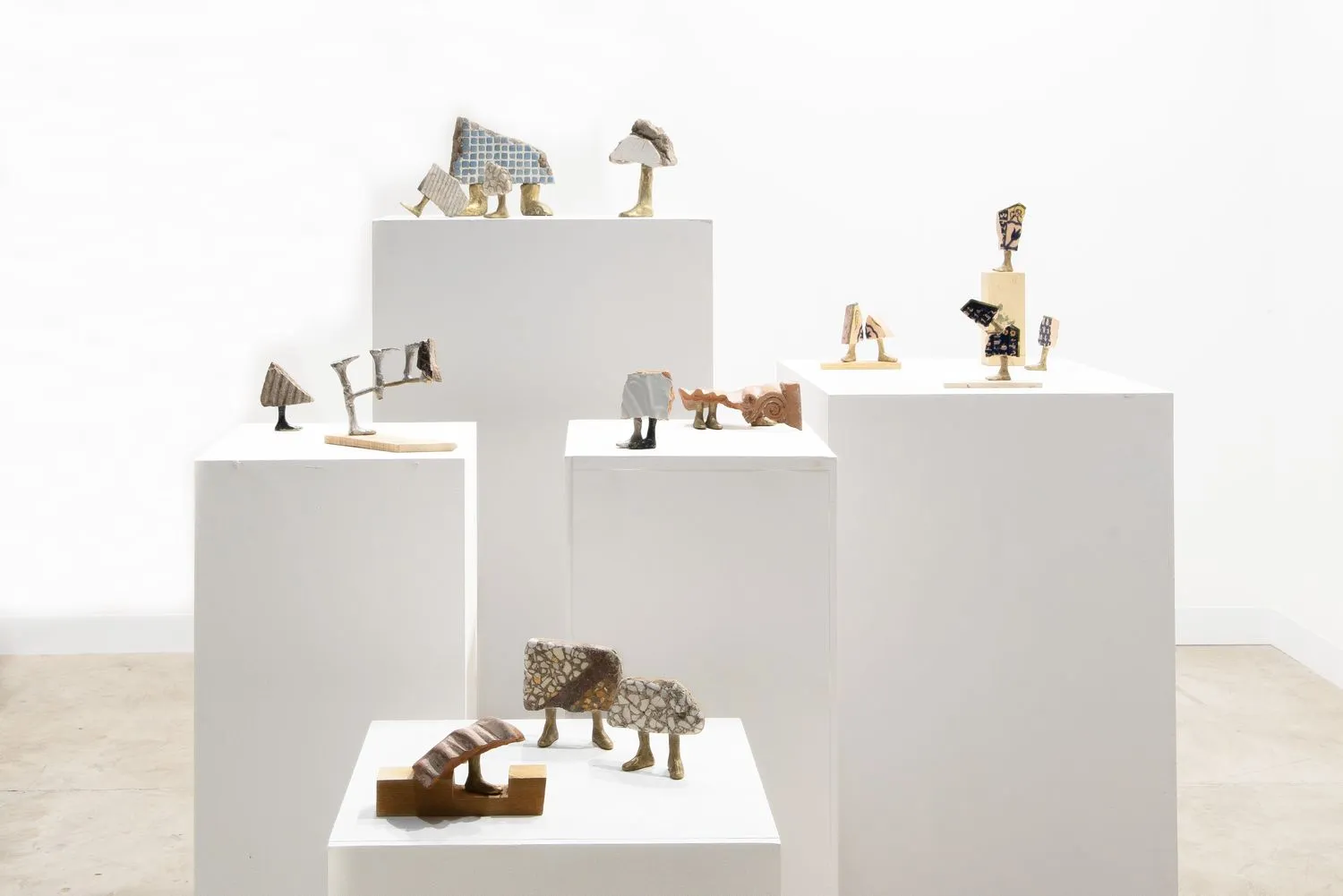
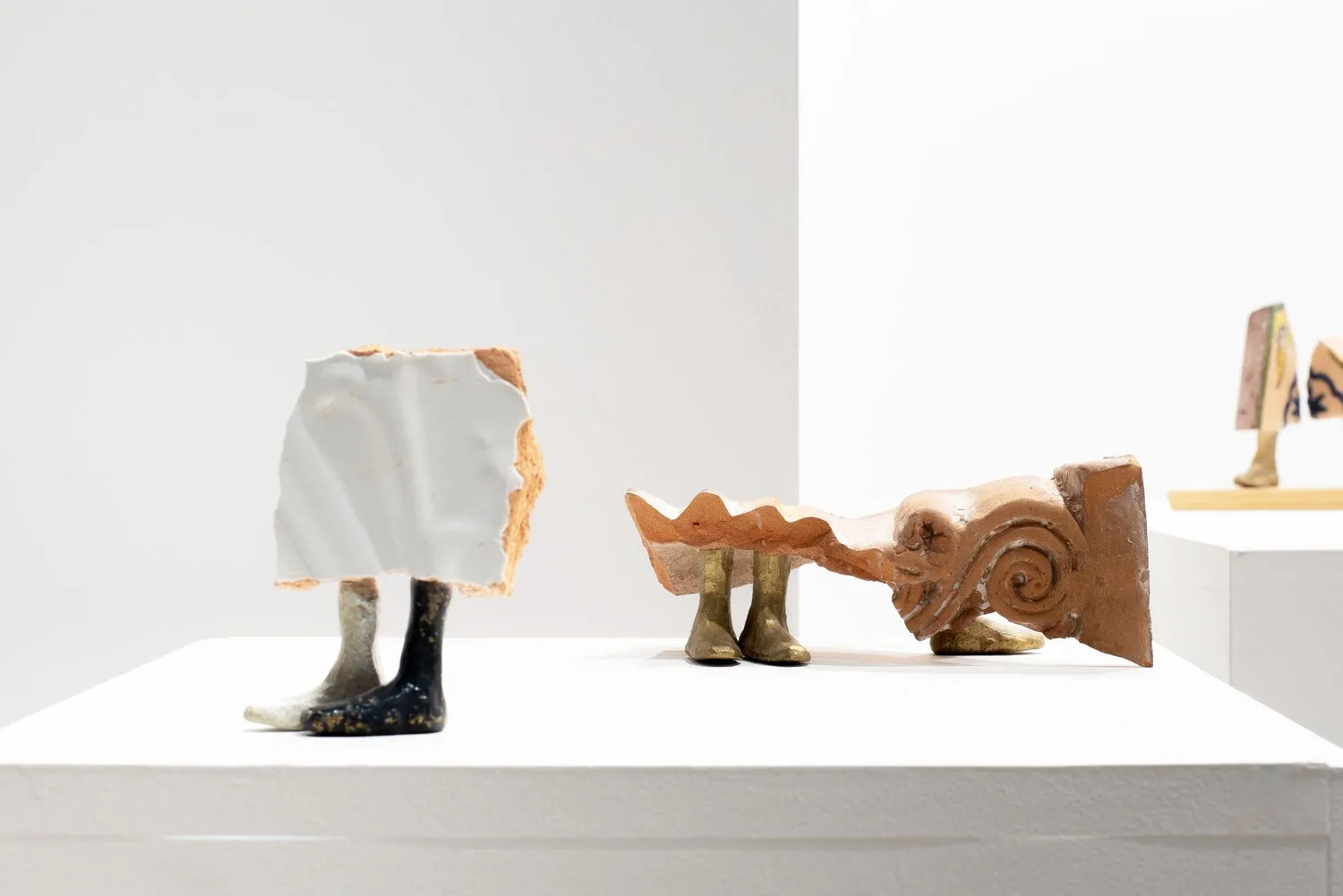
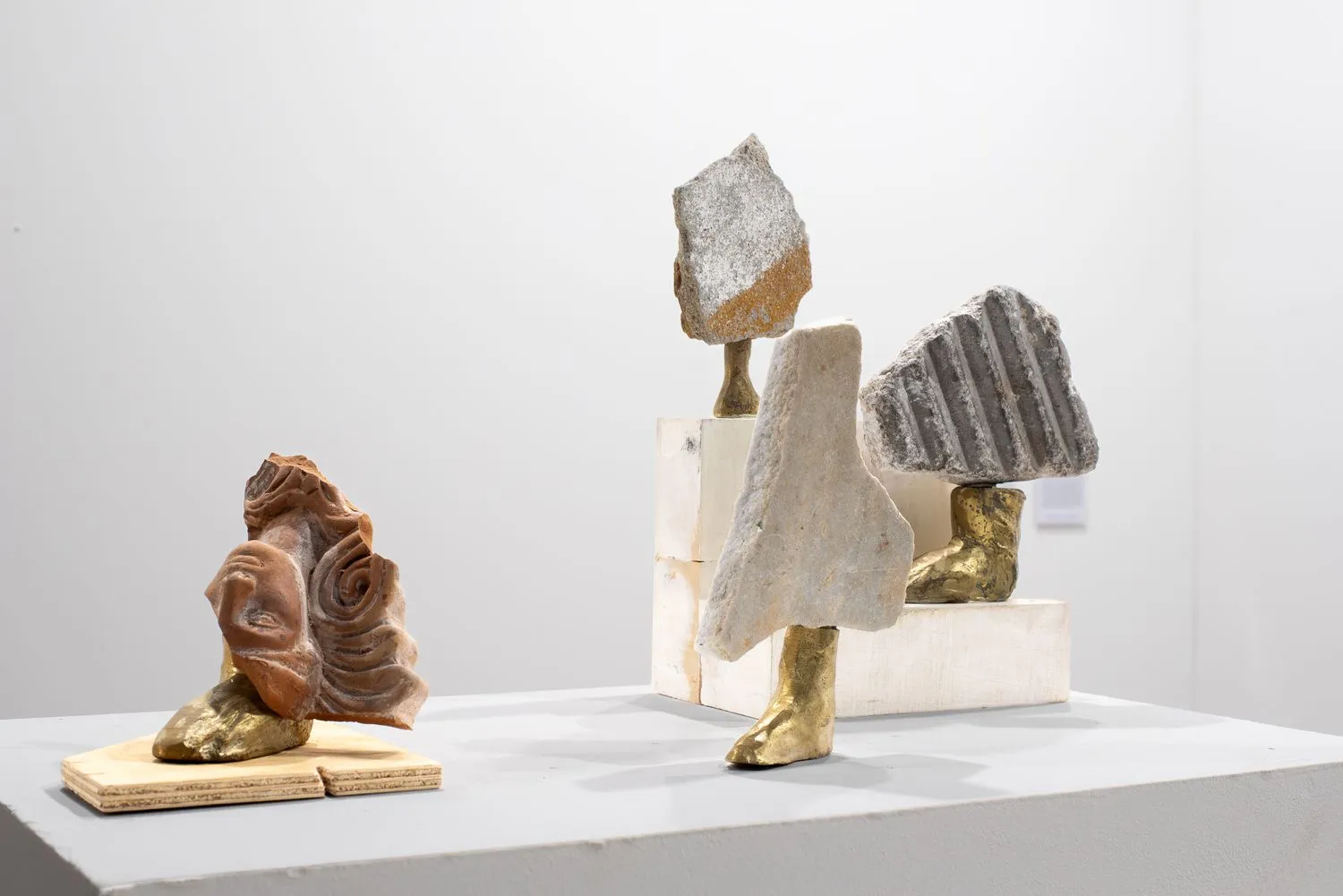
Over in the galleries section, the Dubai's Green Art Gallery presented two works by Turkish artist Hera Büyüktaşciyan, including her ongoing project An Archipelago Fugue, made from broken tiles, stone, and other architectural fragments, all remnants of disruption.
"[It's] a sculptural piece that takes the form of an archipelagic community composed of scattered and wounded particles of time, proposing ways of recreating a shared ground and foundations from the disappeared and uprooted as a preposition for future," Büyüktaşciyan says. "The ongoing series forms a constellation of anthropomorphised figures shaped by architectural fragments that I have collected over an extended period of time in the cities I lived and passed by."
"The fragments carried by the bronze feet such as tile, brick, concrete, and terracotta are gathered from various sites and cities whose foundations have been unsettled by historical upheavals and displacement, such as from ruins and sites of demolition and decay across cities of Asia Minor, my hometown and many others, that experienced massive exoduses from the beginning of the 20th century," she adds. "Each fractured form, originating from diverse architectural structures and historical contexts, becomes displaced through dispossession and urban transformation driven by political and economic developments."
"By proposing a new mode of existence through the kinship of these fragments, the work suggests a sense of co-existence that resonates with the idea of the archipelago—at once separate and interconnected. Despite their petrified forms, the figures retain a sense of movement that, to me, echoes resilience and re-rooting."
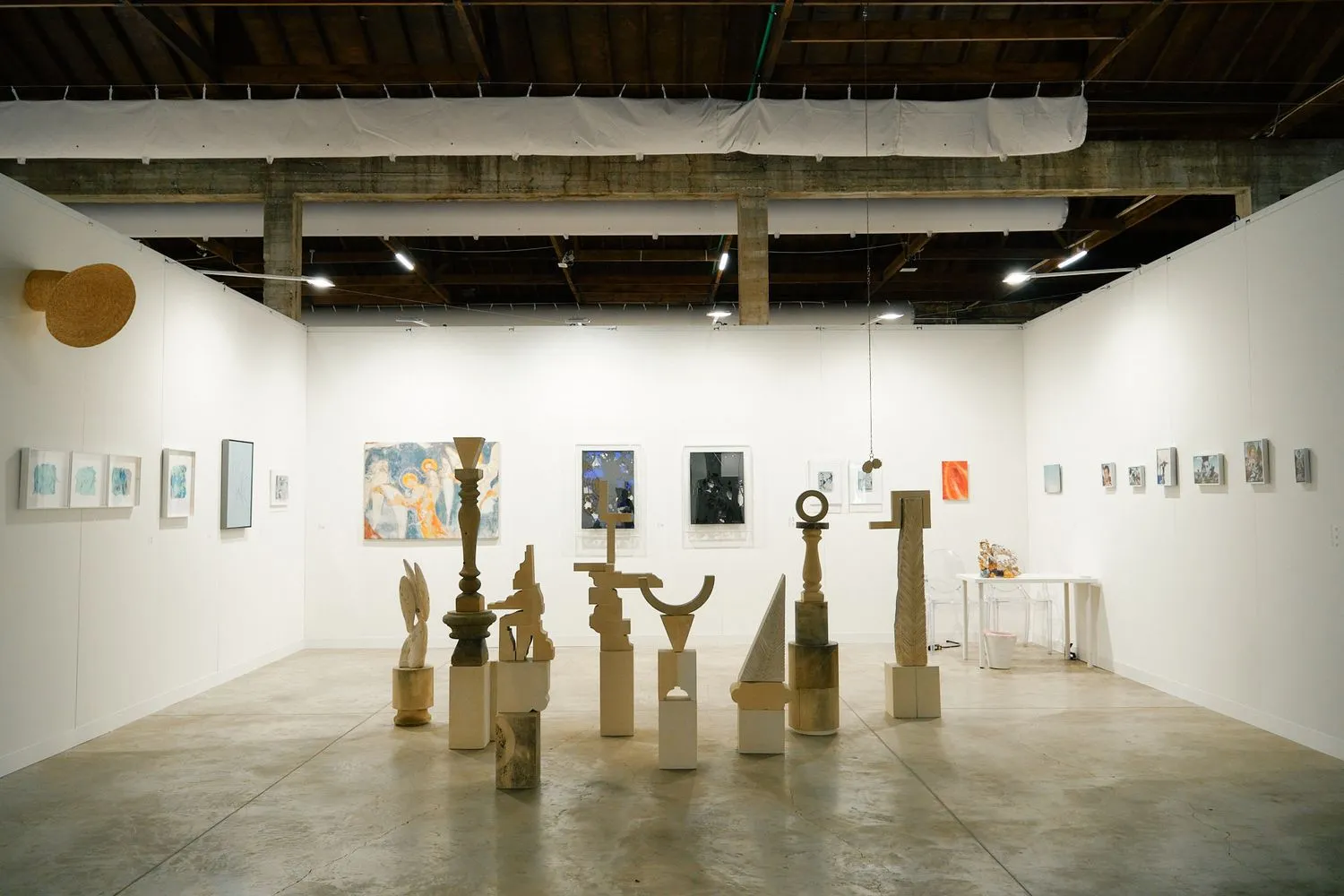
At Athens-based CAN Christina Androulidaki Gallery, a series of stone totems titled Columns by Cypriot artist Elina Ioannou were a minimalistic ode to Cyprus' native limestone—full of history and symbolism that resonates with the socio-political climate of the island. Framing limestone as the 'first inhabitant' of the island, formed millennia ago when Cyprus was under the ocean, the works aims to show the beauty and utility of the material, long-maligned in favour of shiny imported granite or white Greek marble.
"It's related with the geological birth of Cyprus and its mythologies, such the birth of Venus coming up from the seafoam. It's a very humble material, and was never really was loved and used by our ancestors. My father is one of the last stone covers of Cyprus. It's a technique that it's disappearing because there is a 3D printing and CMC machines," Ioannou says. "I inherited a lot of leftovers from different projects that he did over the years in the applied arts - small columns, sections of architectural pieces—so I decided to make all these totemic assemblages as an homage to Cyprus, its people, and creatures that developed mechanisms of survival."
These symbols include doves of peace, snails, who hibernate up to three years in times of drought, and prickly pear cactus, now endemic across the region, first introduced by Spanish explorers to Europe from Mexico in the 16th century.
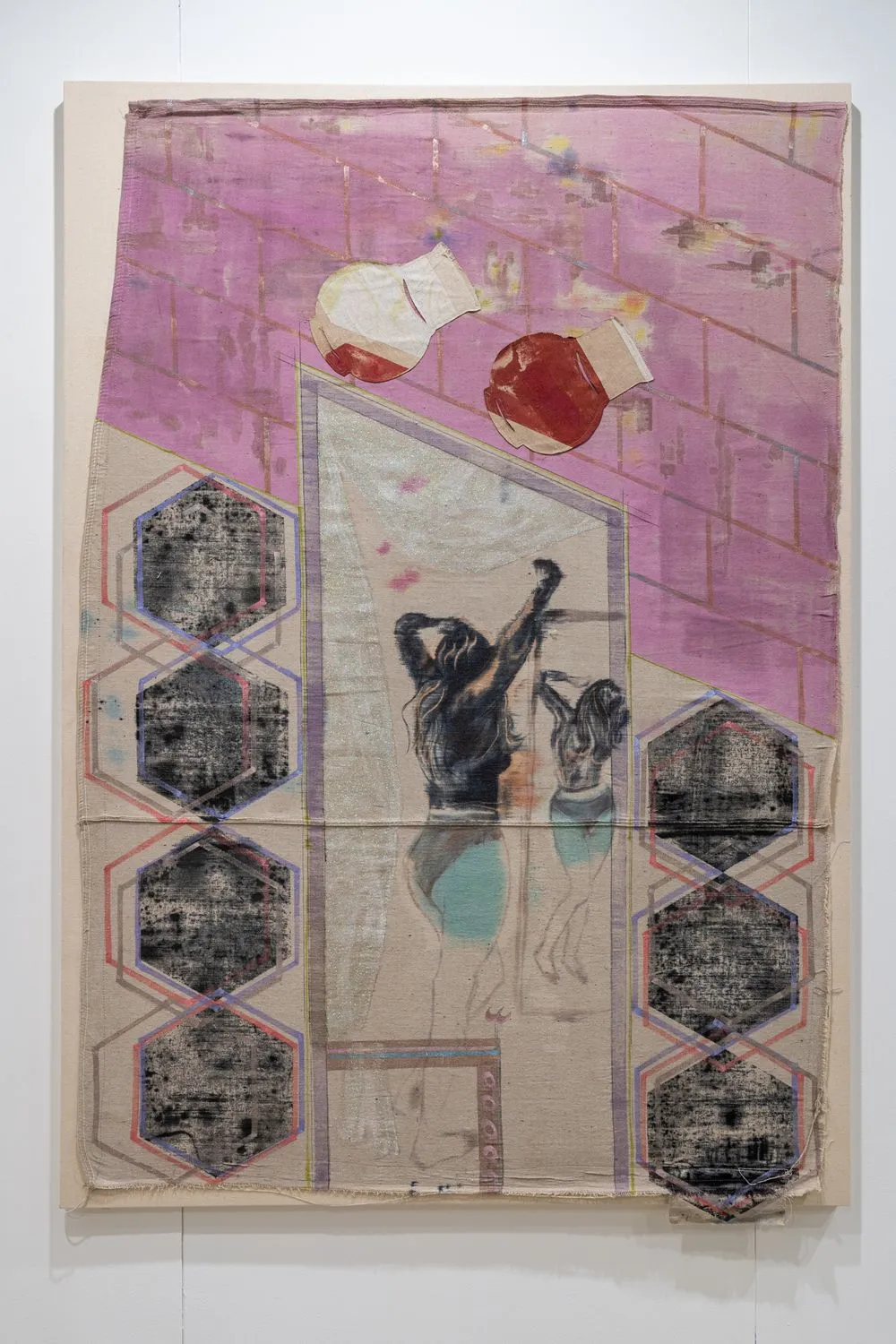
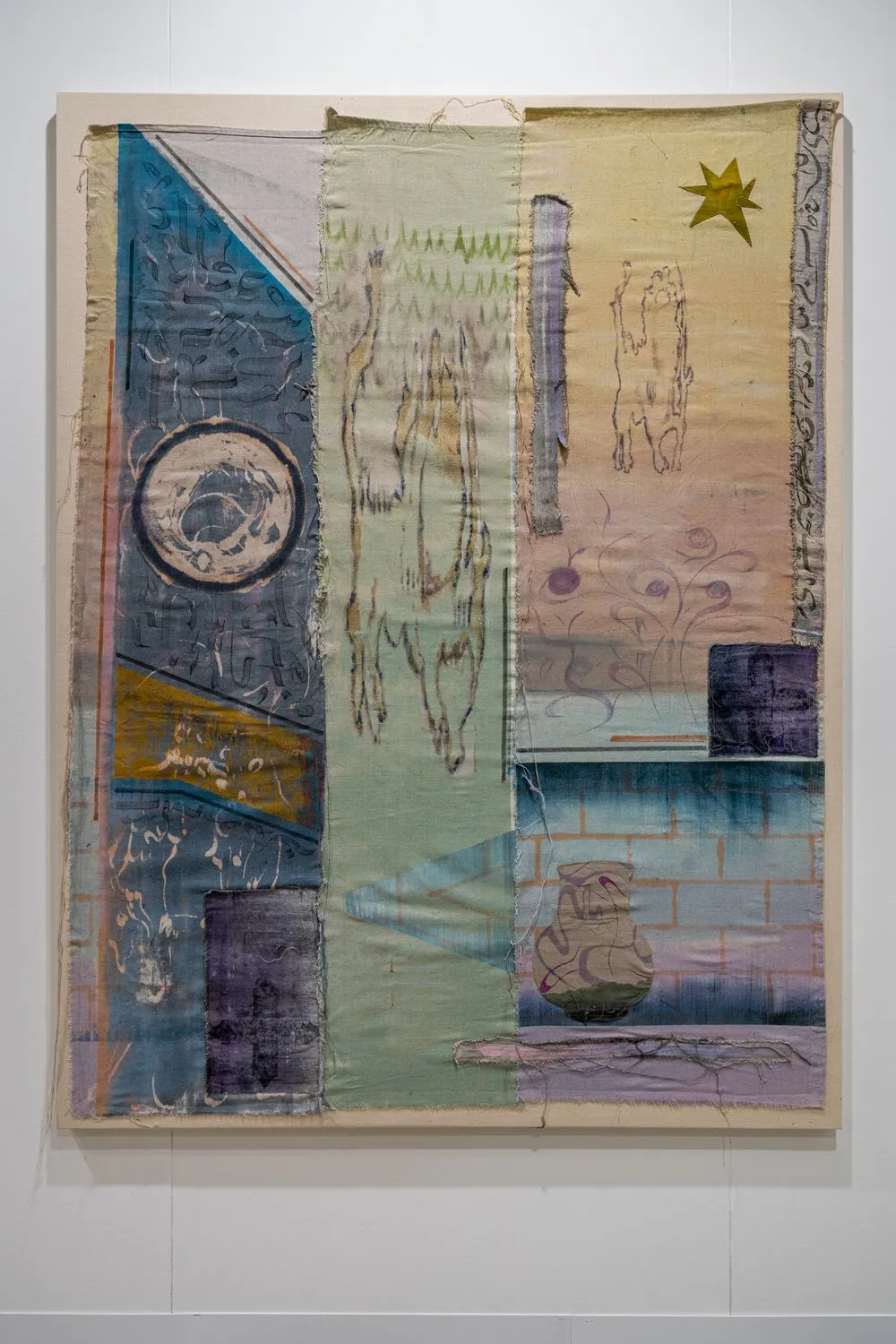
Iranian artist Ali Kaeini showcased a pair of textile murals with Dubai/Paris gallery Nika Project Space, The Blue Girl from his Missed Mist series, and The Lion Lion from more recent work. The Blue Girl, inspired by Vermeer's use of light, staged scenes with vases and the feel of the viewer’s gaze, shows a woman posing and dancing, seen through a window.
"Flattened vases are falling or carved into the wall. The vases throughout my works have been stand-ins for bodies in my paintings — partly because of self-censorship, this feeling of not being allowed to paint actual figures," Kaeini says. "This comes from the self-censorship I felt when I was still in Iran, and it became a character in my work today, even now sometimes, that I'm out of Iran. But also, the vases are silhouettes of museum objects experiencing displacement in a new context—the same as me, or any immigrant."
The Lion Lion is formed from ripped and resewn canvas, using the symbol of the "stretched, pelt-like Iranian national and historical symbol of the Lion and Sun."
"Alongside the stretched lion with the sword, I included cosmic imagery and an emoji-like star. It relates to how these national symbols have historically been manipulated, touched, and abused for political purposes—eventually gaining a kitsch quality rather than any real depth," Kaeini says. "And then you look at what's actually happening to the people behind that symbol, and the distance between the myth and the reality becomes impossible to ignore. It's unbearable and painful. War on top of oppression. And something keeps getting lost in the middle of it—a people, a possible future."
Despite the regional upheaval over the past few months, Vima went ahead as planned, bringing together communities to which war and conflict is no stranger, whilst offering a platform to discuss the human tole of such events. The artists and galleries selected all have a multi-layered nuance to their work and the topics they explore, finding commonalities despite borders and perceived difference.