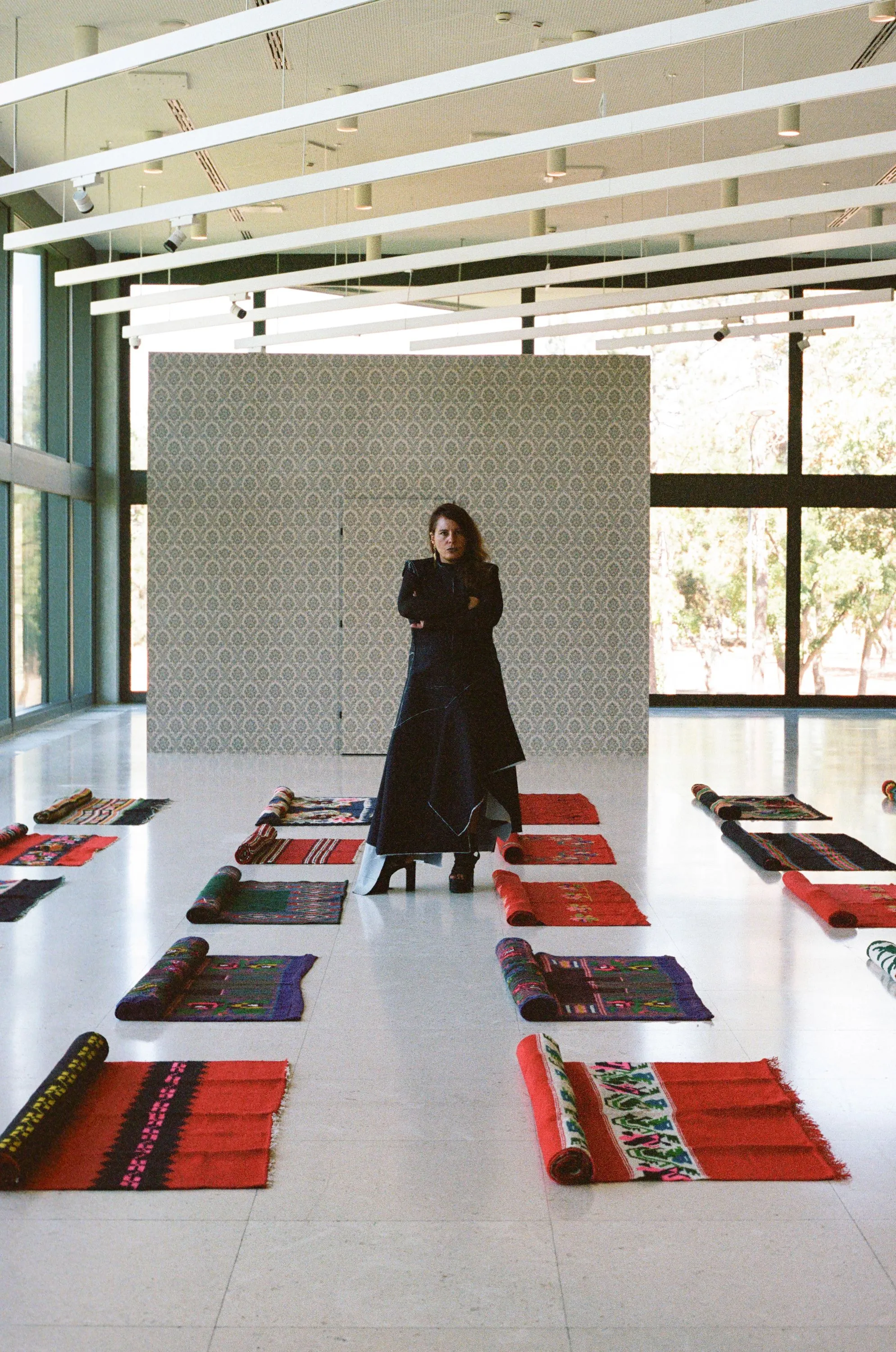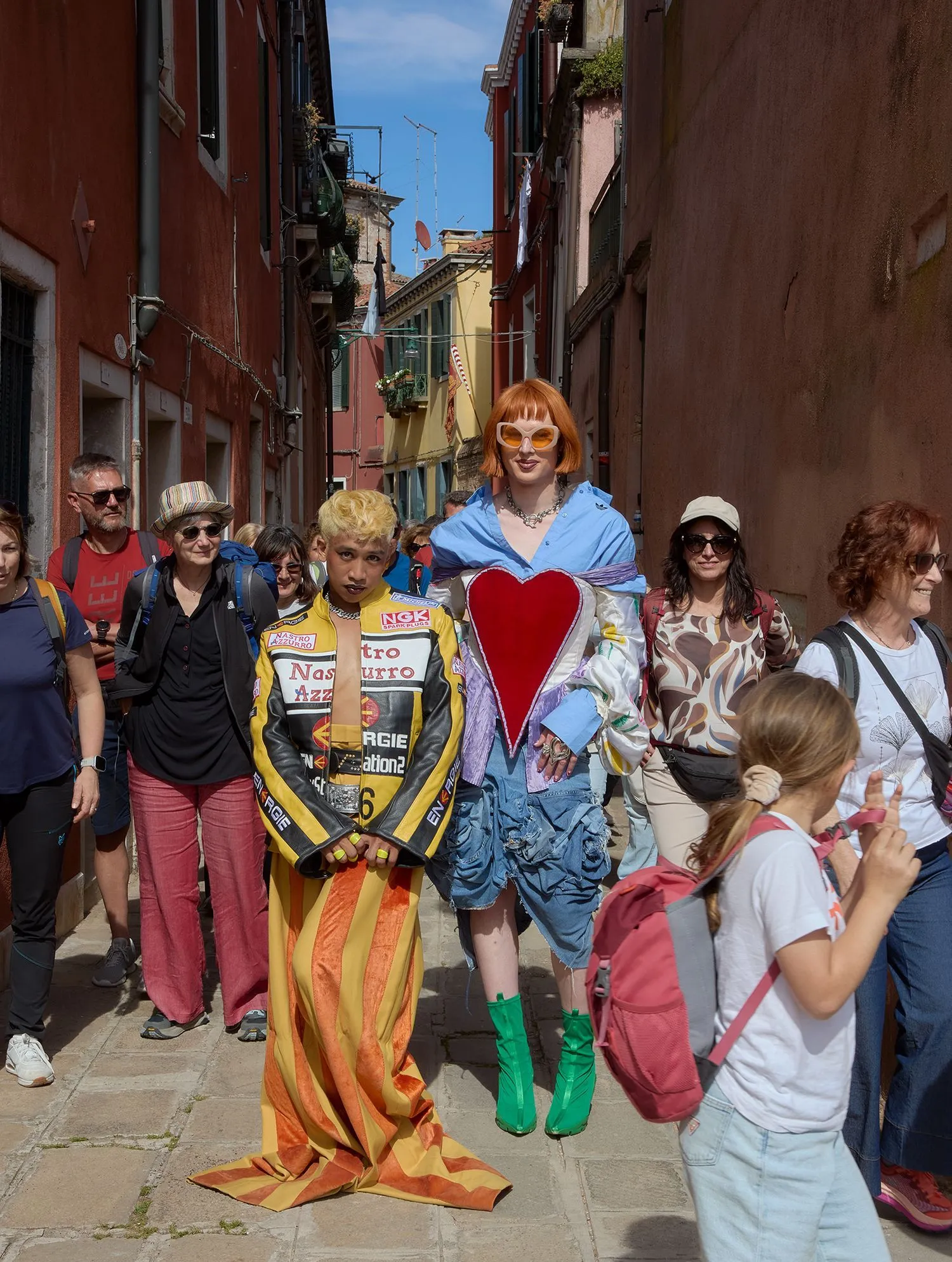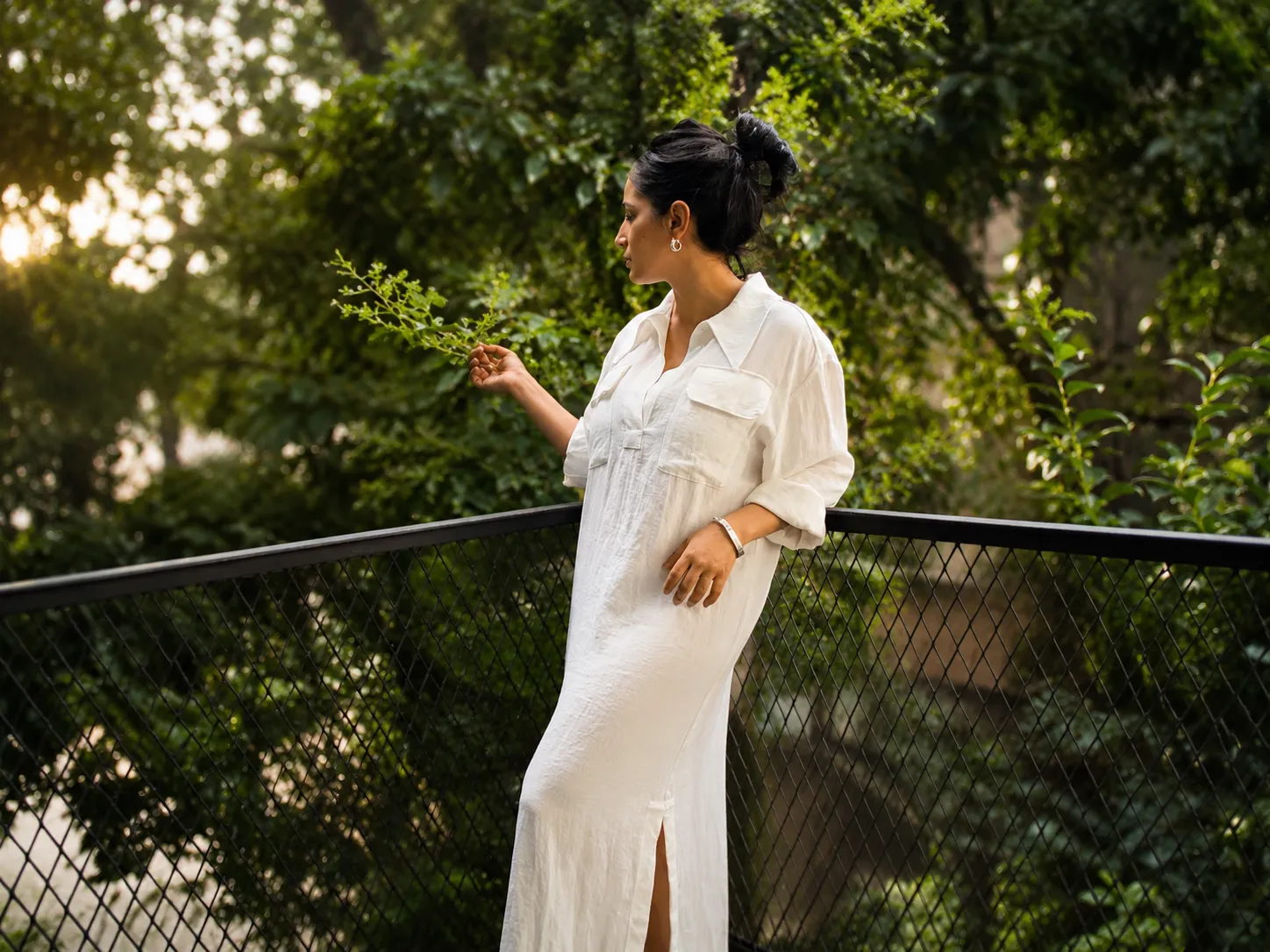

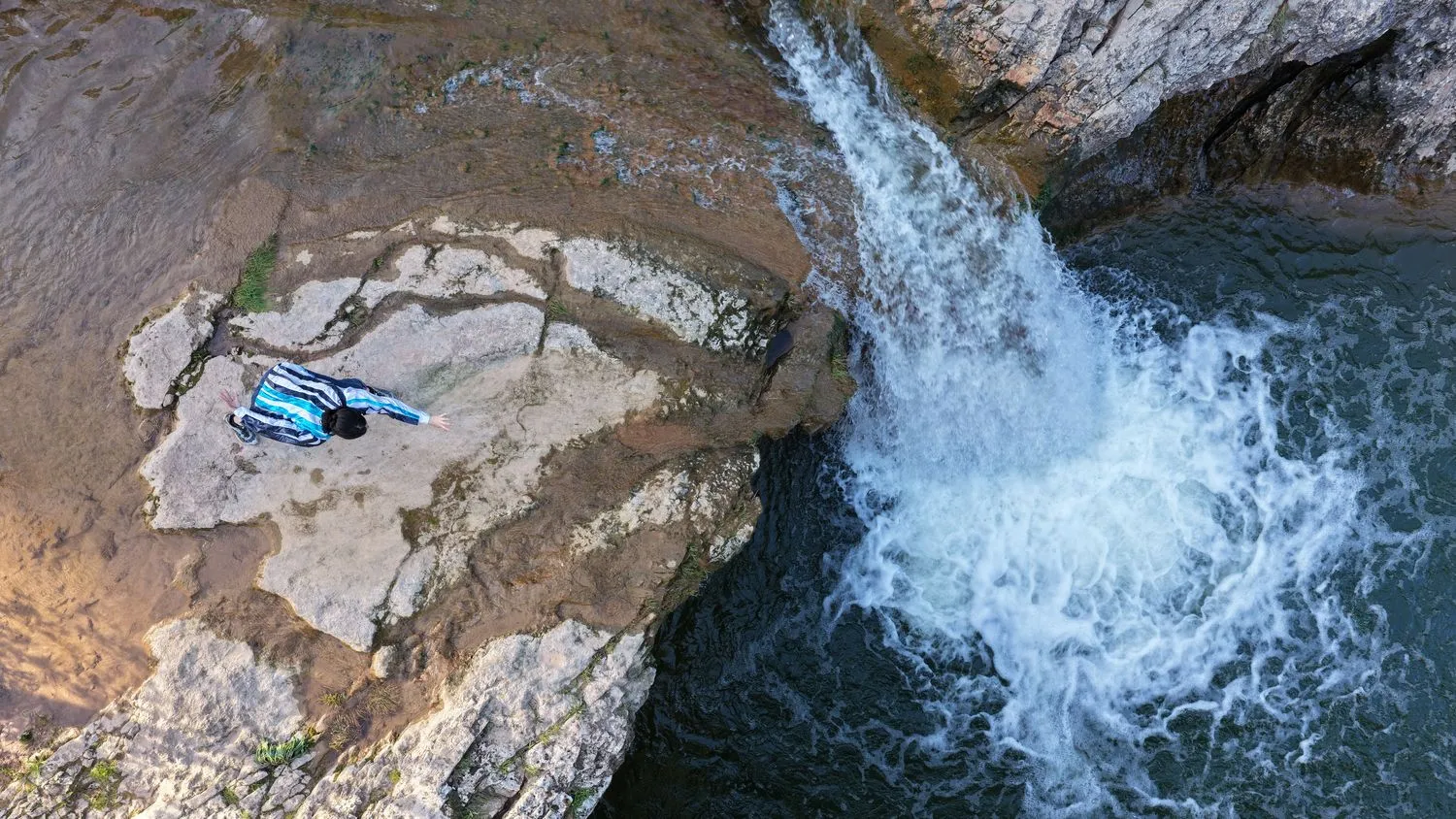
 Claudia Pagès Rabal, Paper Tears, still image detail, 2026. Courtesy of the artist.
 Paper watermarks live inside the paper itself—invisible on the surface and only legible when held to the light. For Barcelona-based artist Claudia Pagès Rabal, they also carry symbolic and political weight. Paper Tears, her installation for the Catalan pavilion at the Venice Biennale, curated by Elise Lammer and presented at the Docks Cantieri Cucchini in San Pietro di Castello, takes a 15th-century archive of watermarks from the Museu Molí Paperer de Capellades as its starting point. These marks were produced at a pivotal moment when Mediterranean trade was declining, Atlantic trade expanding, and new regimes of power and circulation were taking shape.
Pagès Rabal's practice has long circled the layered history of the Iberian Peninsula, tracing how territorial appropriation, migration and the politics of the Mediterranean are encoded in the materials and languages that power produces. Working across video installation, performance, sculpture and writing, her research treats maps, archives and legal documents as instruments through which power organises territory, bodies and memory, always attentive to what circulates beneath official narratives.
Paper Tears is a condensation of that ongoing inquiry, turning towards paper itself as an instrument of power, inscription and circulation. Through laser projections, a sculptural LED screen and an enveloping soundtrack, the work places those 15th-century watermarks into dialogue with a present marked by migration crises, Mediterranean border violence, and states of emergency, revealing a disturbing continuity between the power infrastructures of the past and those of today. The installation is organised like water currents, its spatial and conceptual logic drawn from the invisible networks of aquifers that have supplied the region's paper mills for centuries. Venice and Catalonia, both key players in that 15th-century transformation, meet here across five centuries.
We spoke with Pagès Rabal about the 15th-century Mediterranean, watermarks as political objects, and what an ancient paper archive reveals about the violence of the present.
Jelena Martinović: The Biennale's theme is In Minor Keys, an invitation to slow down, listen differently, and tune into what's often lost. How does Paper Tears respond to that?
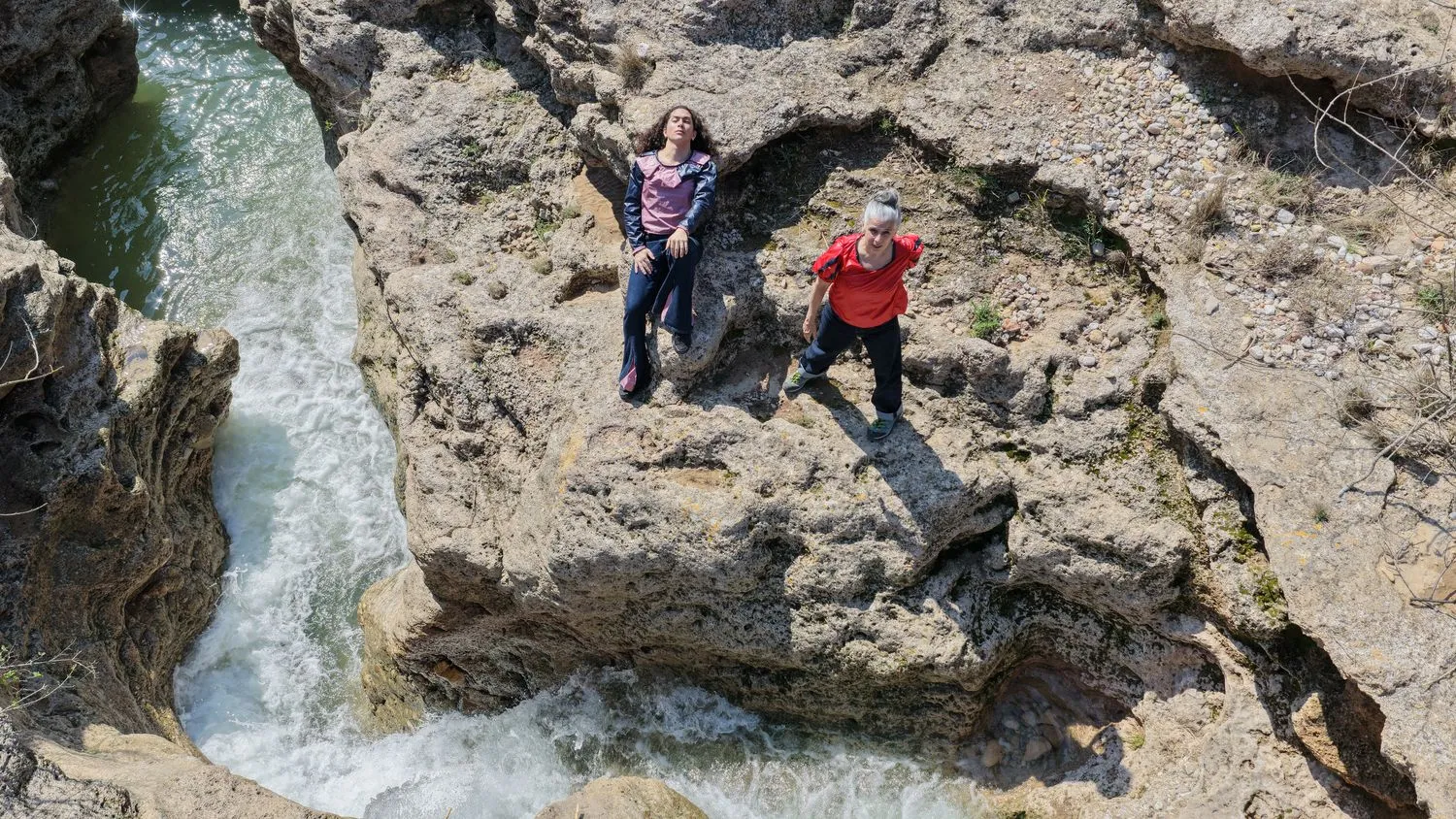
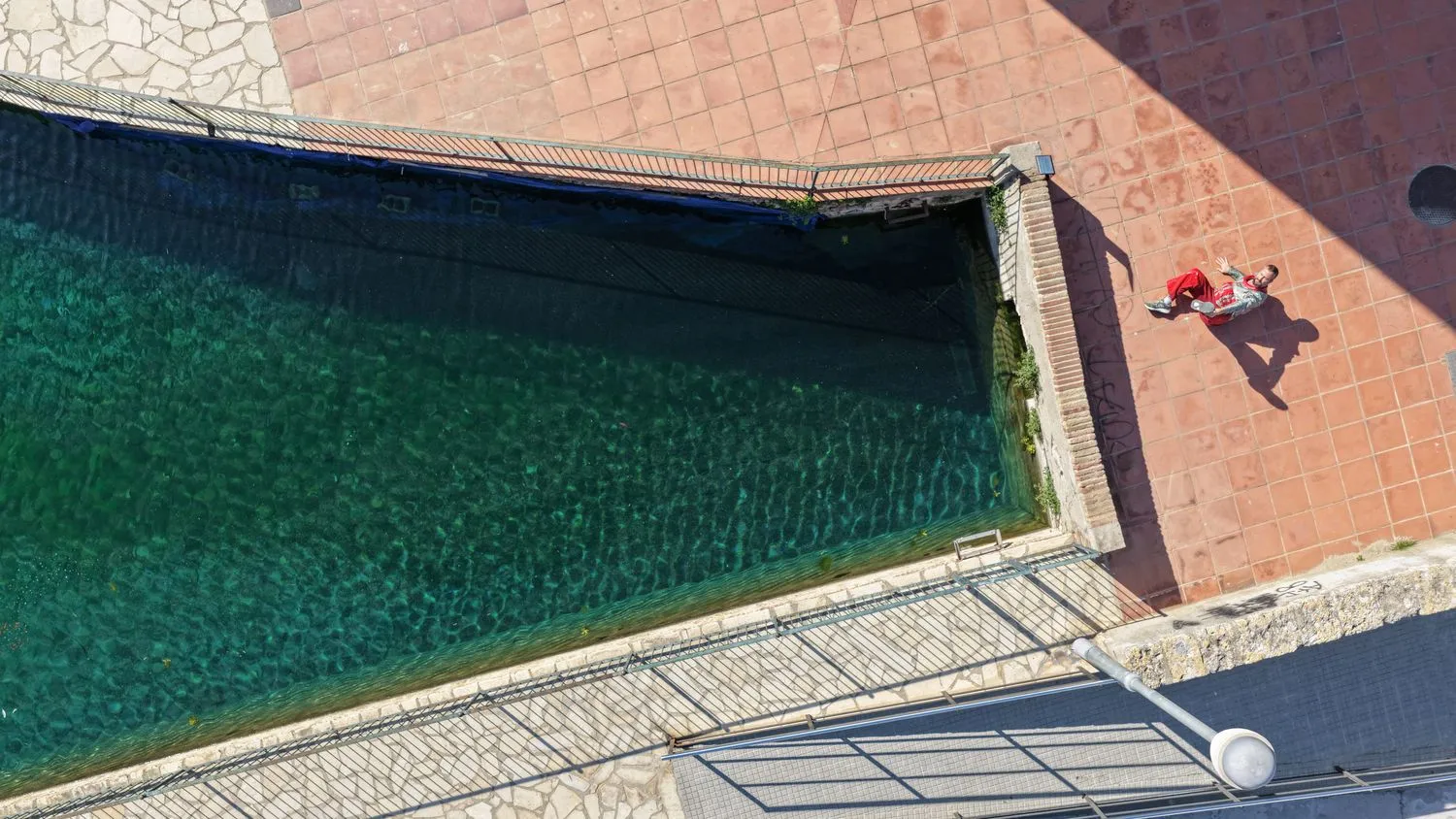
Claudia Pagès Rabal: The core of Paper Tears lies in paper watermarks. Unlike what appears on the surface of the paper—writing, stamps, laws, regulations—watermarks inhabit the paper from within, circulating through water, almost invisible and in a state of negation. Even in their silence, we can discern in them remnants of a bygone era that give rise to a symbolism rooted in cultural, political, and social processes. The exhibition features a video, laser projections, and a score that serves as a water current to give voice to these watermarks. The outdoor scenes featured in the video were filmed at various springs of an aquifer that has supplied water for paper production for centuries. This groundwater functions on the same level as watermarks, as both are invisible and latent spaces of circulation.
Jelena Martinović: The archive at the core of the project is made of 15th-century watermarks from the Museu Molí Paperer de Capellades. How did you first encounter them, and what made you see their potential as the starting point of the installation?
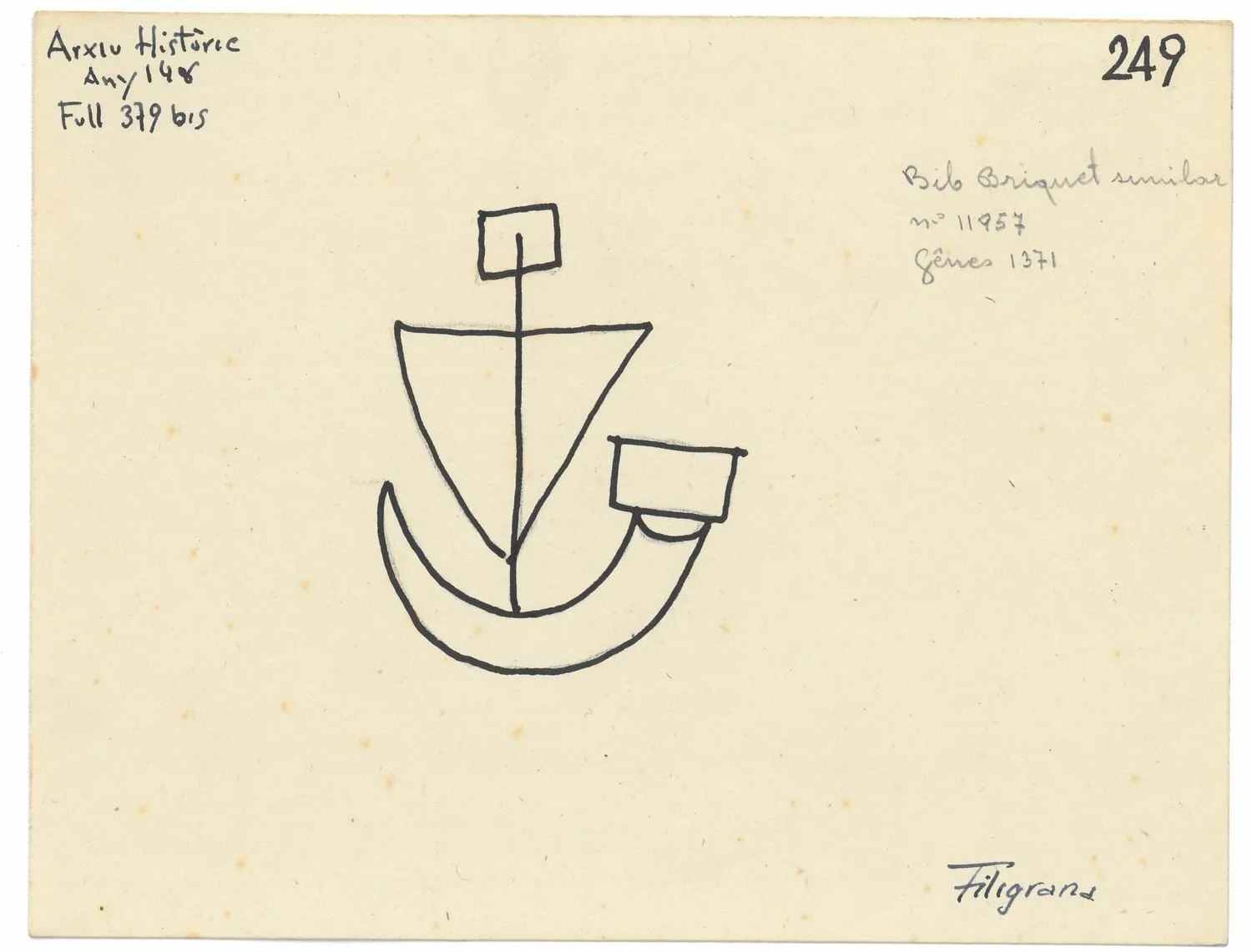
Claudia Pagès Rabal: I'm from Capellades, where the Paper Mill Museum (Museu Molí Paperer) and the archive I've used are located, and I come from a family with a long tradition in papermaking. I kind of grew up in the mill as my mother is a papermaker. Watermarks are simple little drawings made with iron wire that is then sewn into the paper mold, and I've seen them on envelopes around the house; they've always struck me as curious. Since they're single-line drawings, they always have a naive look—that's why I project them with lasers, which use a single beam of light that traces the line of the drawing. The lasers, however, work like paper watermarks but in reverse: if watermarks are seen in their negative form, with the lasers they appear in positive form on the wall, with a harsh light that, if it remained fixed on a single point, would eventually leave a mark on the wall. I turn the watermarks into mobile, light-based graffiti.
I like to work from small or very situated places that are sometimes connected to the geography of where I live—not out of nostalgia or melancholy for the place, since I quickly shake that off—but because I believe it is from these singular places that one can address issues that affect us all.
After working on linguistic structures that cause so much violence and unease in everyone, I wanted to focus on watermarks—those elements that circulate invisibly through water, without appearing on the surface.
Jelena Martinović: The watermarks were produced at a pivotal moment in history, when Mediterranean trade was declining and Atlantic trade expanding, marking the beginnings of modernity. What drew you to that specific moment?
Claudia Pagès Rabal: Watermarks first appeared in 13th-century Italy and were later adopted by all empires to create tax stamps. I chose the 15th century because it was a defining period for the Iberian Peninsula—a time when the region forged a brutal identity through the expulsion of Muslims and Jews, through ethnic cleansing, and through the perception of the Mediterranean as a dividing frontier. At the same time, it was the century when colonization of the Americas began. This turbulent time serves as my starting point for making connections and reflecting on the world we are creating today: Mediterranean necropolitics and the brutal ethnic cleansings currently taking place against my Mediterranean neighbors. To be able to think about the present, I felt it necessary to situate myself and place my territory, the narratives I grew up with, and their identity fixations based on the creation of the other, at the center of the question.
Jelena Martinović: The installation connects Venice and Catalonia as two places that occupied key positions in that transformation. How do you see that relationship, and what does it mean to bring this work specifically to Venice?
Claudia Pagès Rabal: It is precisely because of the expulsions and ethnic cleansing that took place on the Iberian Peninsula that there was a shortage of paper, since it was the Muslim population that brought paper-making techniques and expertise to the region. The Christians began to impose taxes and restrict their social and economic rights until they were brutally expelled, which led to the import of paper from Italy, where watermarks were already in use.
Jelena Martinović: The watermarks are projected onto the walls and activated by performers. What does that performative layer bring to the work?
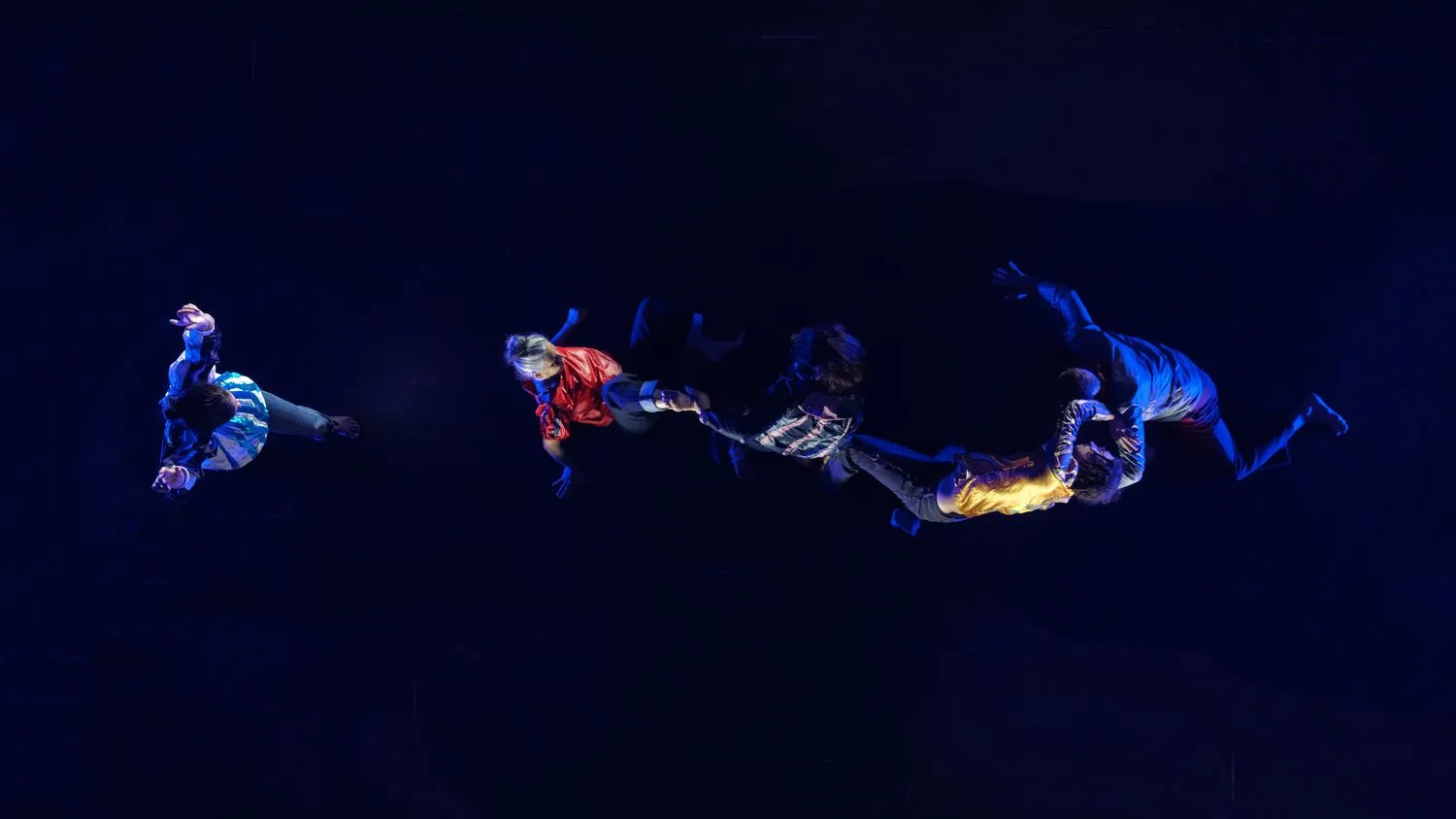
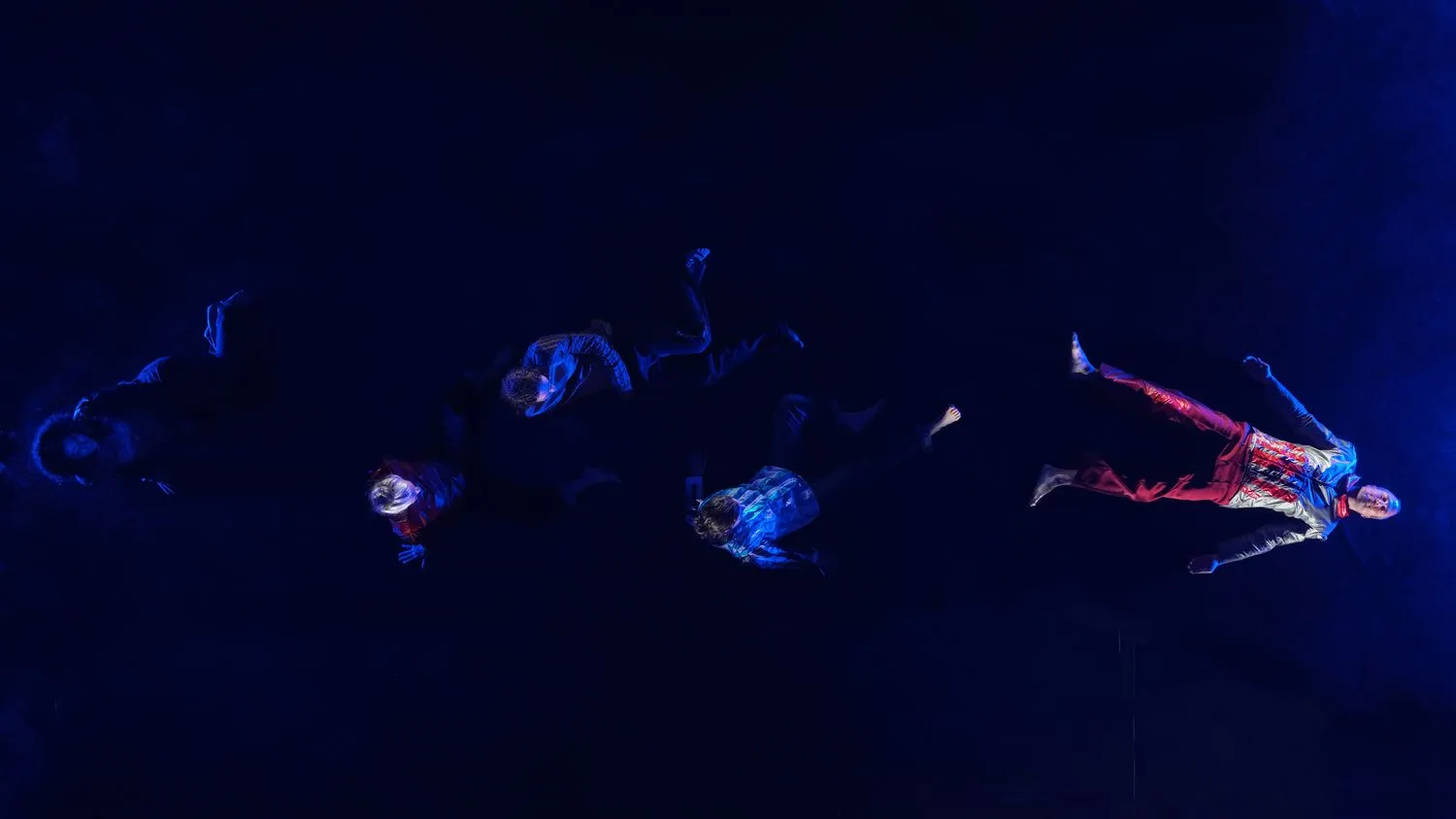
Claudia Pagès Rabal: I combine my artistic practice with writing—I have written several short stories, fiction and nonfiction books, published a novel, and am currently writing my second one. In addition, my work as an artist has drawn influence from performance and choreography. My video works stem from movement: I work with text and writing applied to the body and to music, exploring how to deliver the text from a performative and musical perspective; the same applies to the camera, where I have been using body-cams to create specific choreographies for the bodies, for the cameras, and for the body-camera relationship. Finally, I build my screens entirely by hand, since, once again, I do not conceive of the work as a "video" but as a choreographic and sculptural object, around which the audience must also dance. I have created my own genre that unites choreography, technology, video art, and writing.
Jelena Martinović: Water networks run through the whole project as both geography and conceptual framework. How did that organising logic emerge?
Claudia Pagès Rabal: I conceived the pavilion as a space organized horizontally, like currents. In the center of the pavilion is a channel-shaped screen that reflects the space's skyline, creating a play of blues (water and sky) and parallel perspectives. At the same time, I filmed the video with a drone because I was interested in capturing the image from a zenithal perspective, flattening the territory and landscape like a map. The choreography has also been treated in this way, where bodies appear within this channel, and the depth of the image is recaptured thanks to the interplay of light and movement. Watermarks are projected onto the pavilion's cornices, situating the temporal space and current that the watermarks embody at the top of the pavilion. Finally, there are two platforms designed in collaboration with the architecture firm Goig (Miquel Mariné and Pol Esteve) so that visitors can climb up and view the exhibition from different levels. This is the formal logic of the project, which stems from the research I have been doing on aquifers and watermarks—both subterranean, invisible elements that circulate through currents.
Jelena Martinović: The work is rooted in a precise historical moment but speaks to a world marked by deepening political instability. Where do you feel the continuity between these two moments most acutely?
Claudia Pagès Rabal: The script is composed in a waltz as three acts that repeat in a loop. During the first act, we look at the watermarks, which are very naive, and we free associate with them. We place facts like dates and events that happen during the years the watermarks were made, and we also speak about their brutality and their links with the present, with commentary and jokes that help us navigate. The second act is the moment of monologues, of speech and rambling. The characters move through a stream of consciousness, discussing crucial issues of our time: the right to boycott, the role of the quantum in current politics, how difference is being addressed in necroviolent policies, and how the constant, devastating news impacts our bodies, turning language into pure euphemism that accomplishes nothing. The third and final part of this waltz focuses on the body and on transforming the space into an aquifer in which to dwell.