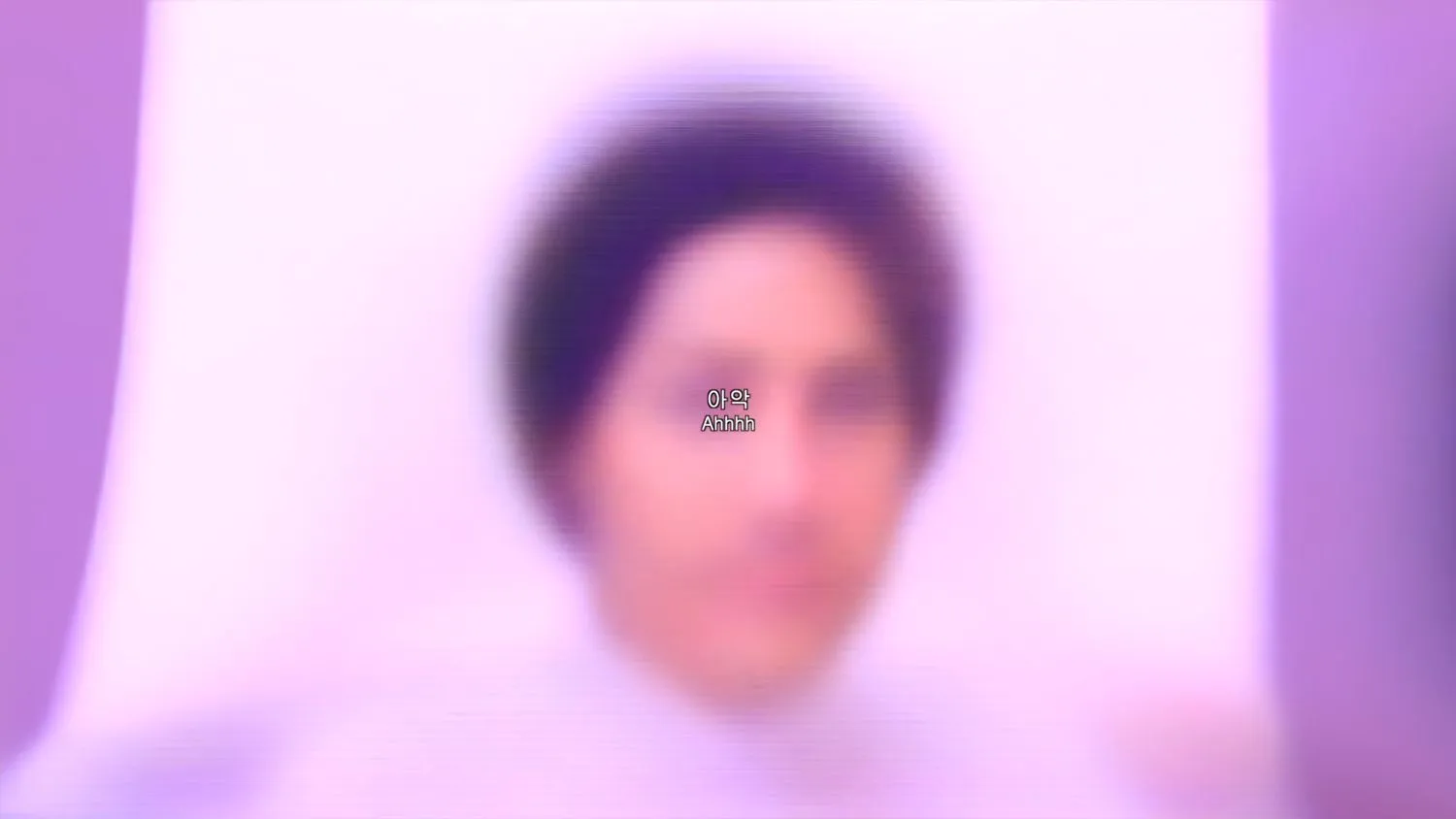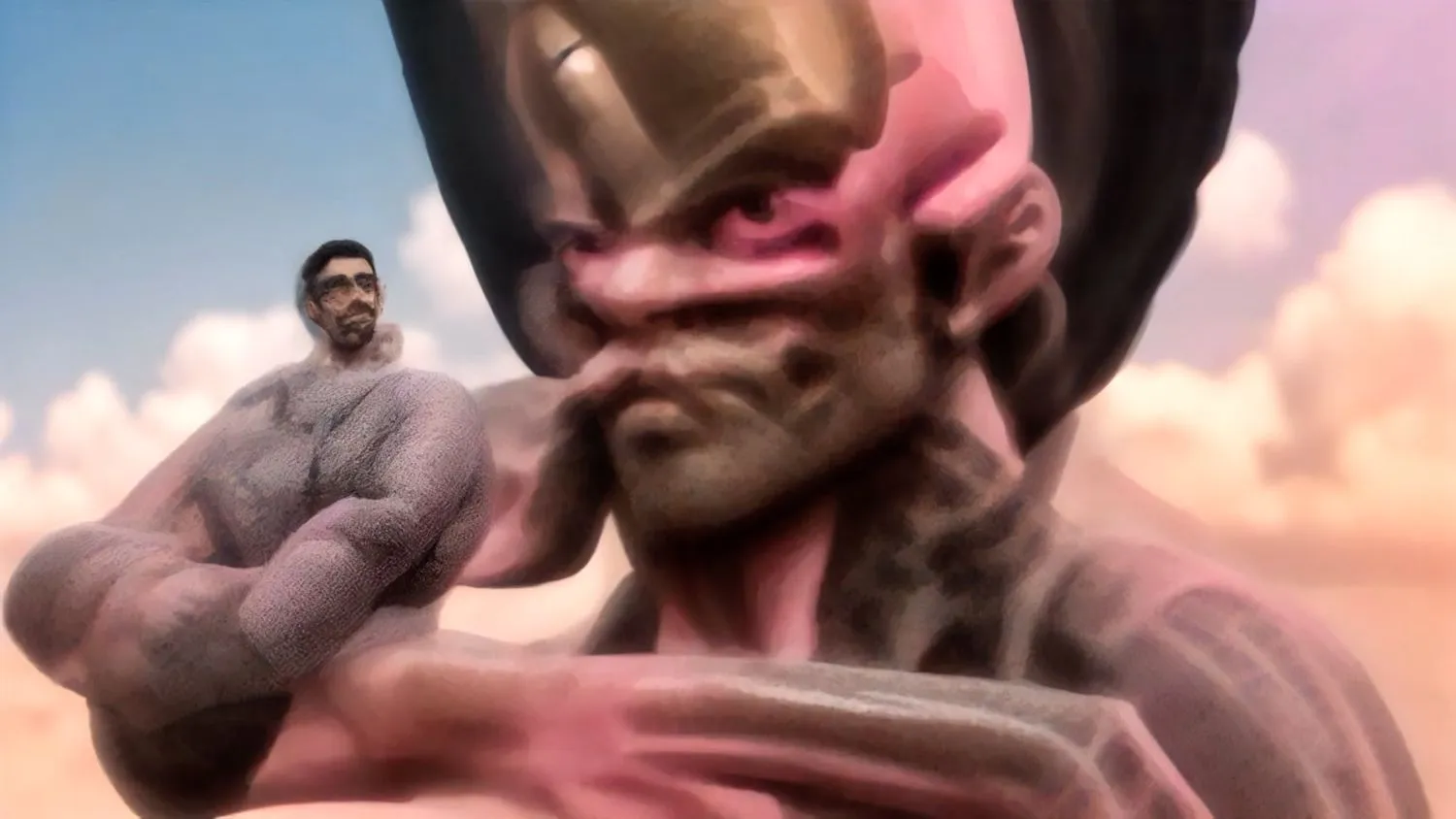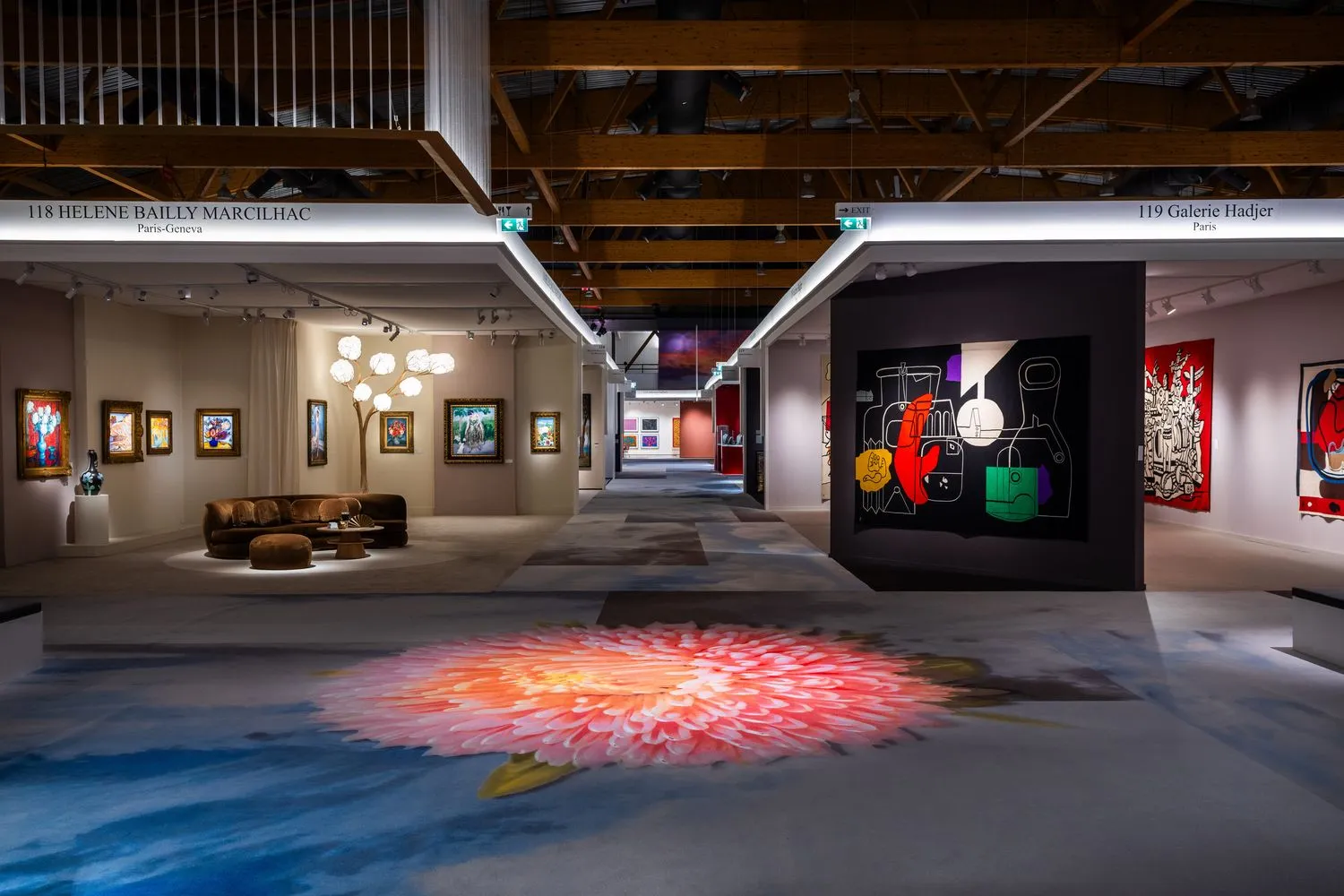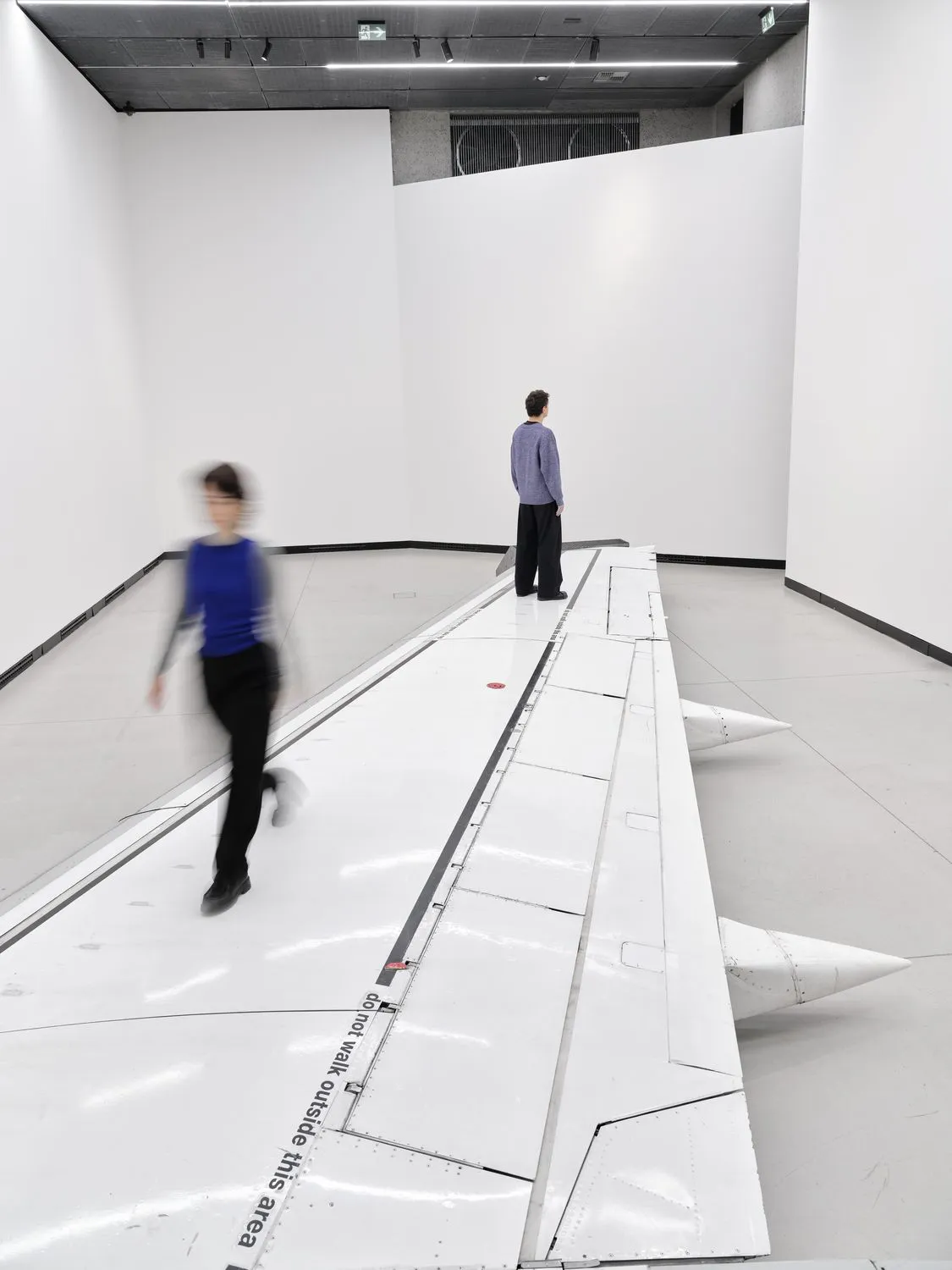

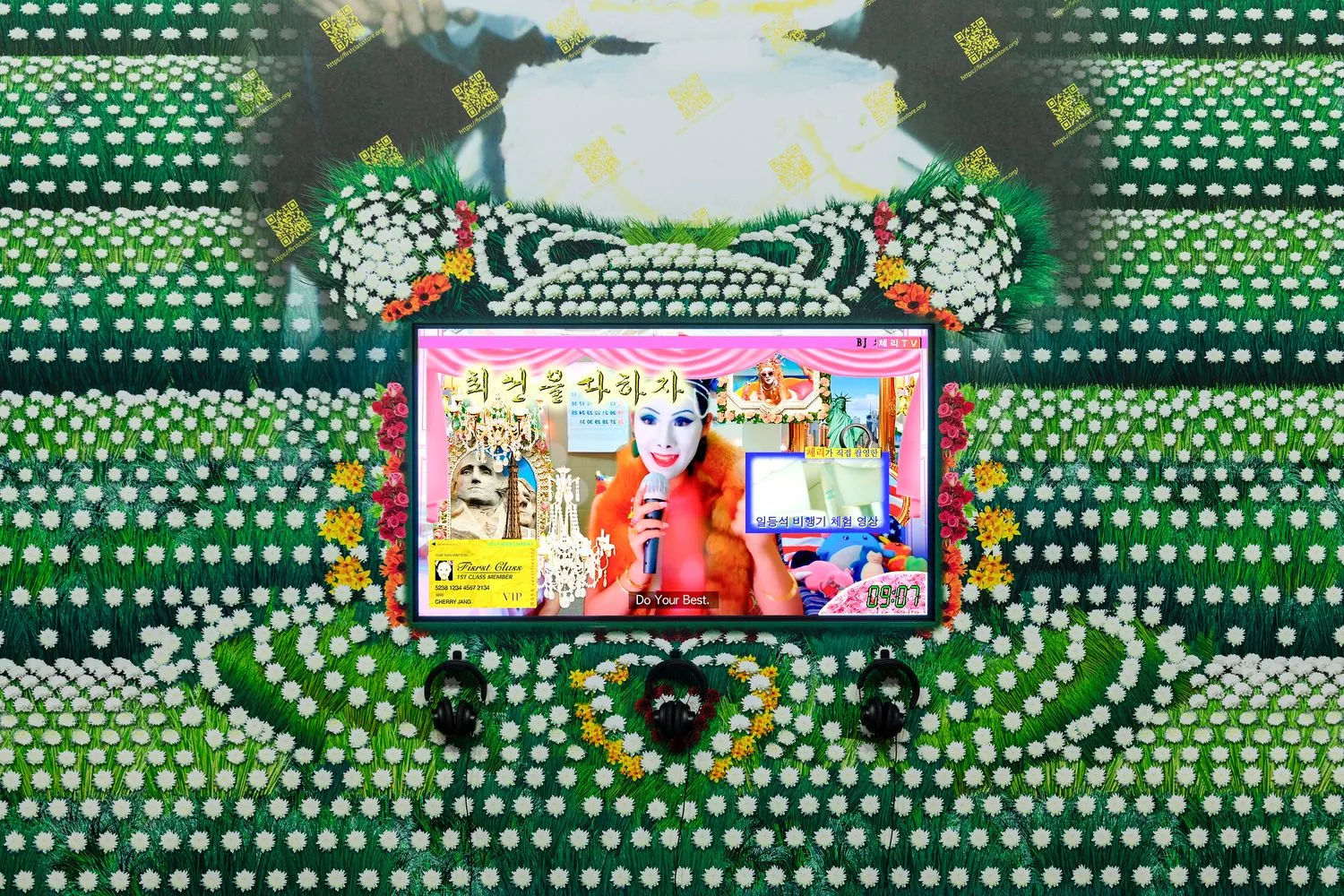
 Installation view of Sungsil Ryu's <BJ Cherry Jang 2018.9 (2018) at K-NOW! Korean Video Art Today at MASI Lugano
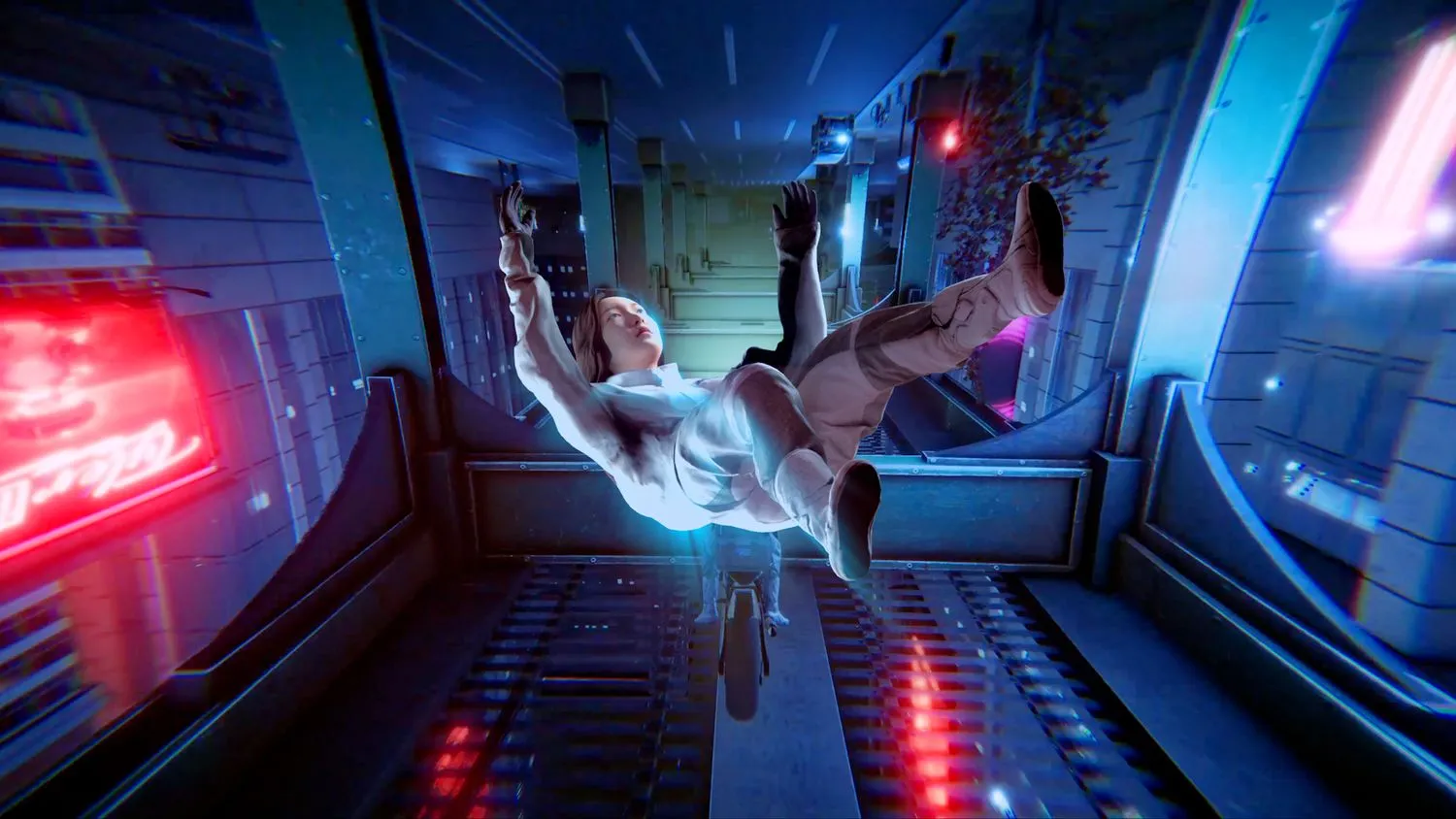
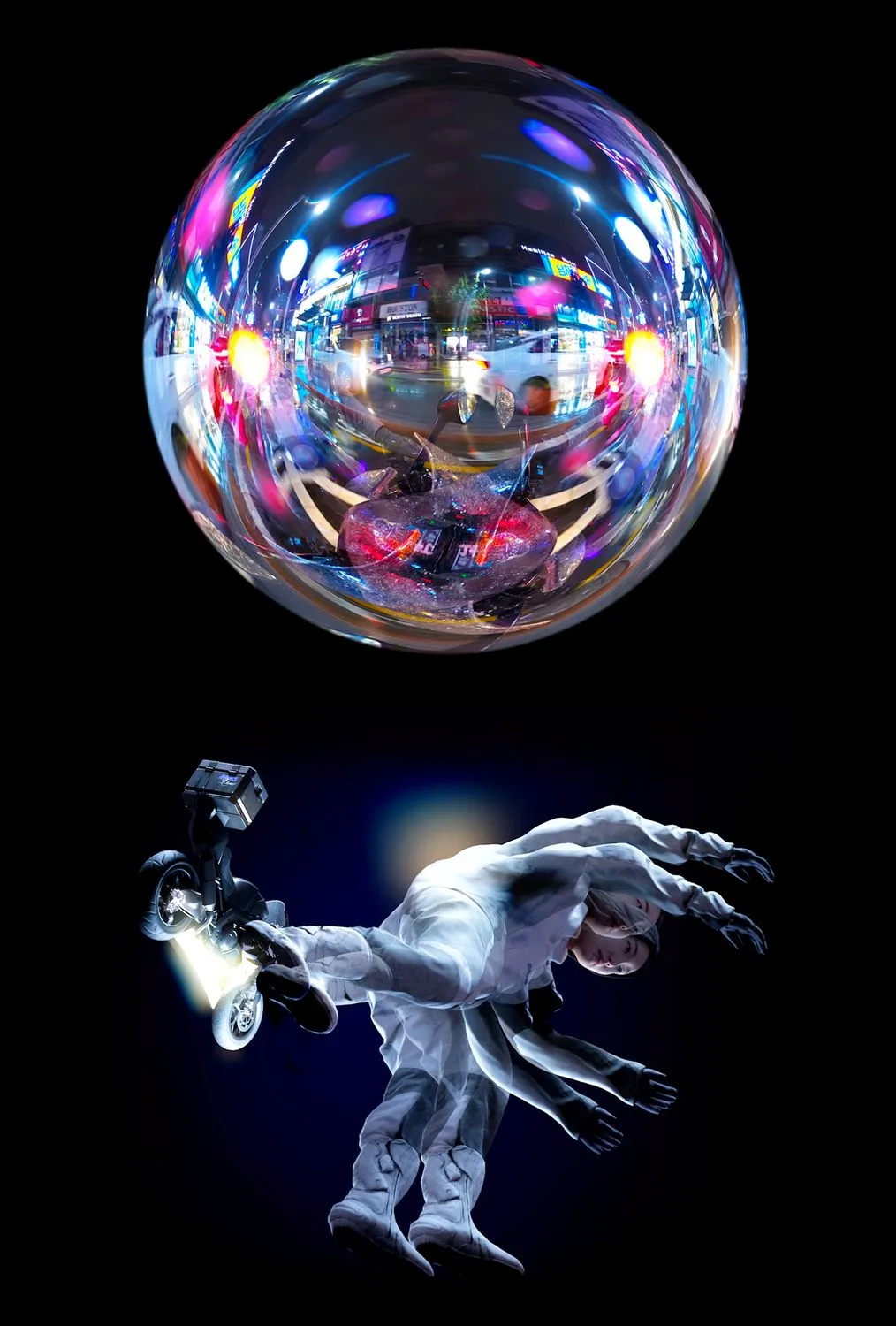
 In Ayoung Kim's Delivery Dancer's Sphere (2022), a young courier navigates Seoul on a motorbike through a city rendered as a glittering algorithmic landscape, with every movement tracked, optimized and monetized. Made during Covid, the work captures something that has only accelerated since: the logic of platform labor that reduces the body to a unit of measurable efficiency. The particular frenzy of Seoul's delivery culture and the demands of a society built on speed and performance inform the work, but the gig economy it describes is a globally shared condition. Under platform capitalism, bodies are being absorbed into systems that promise flexibility and deliver precarity.
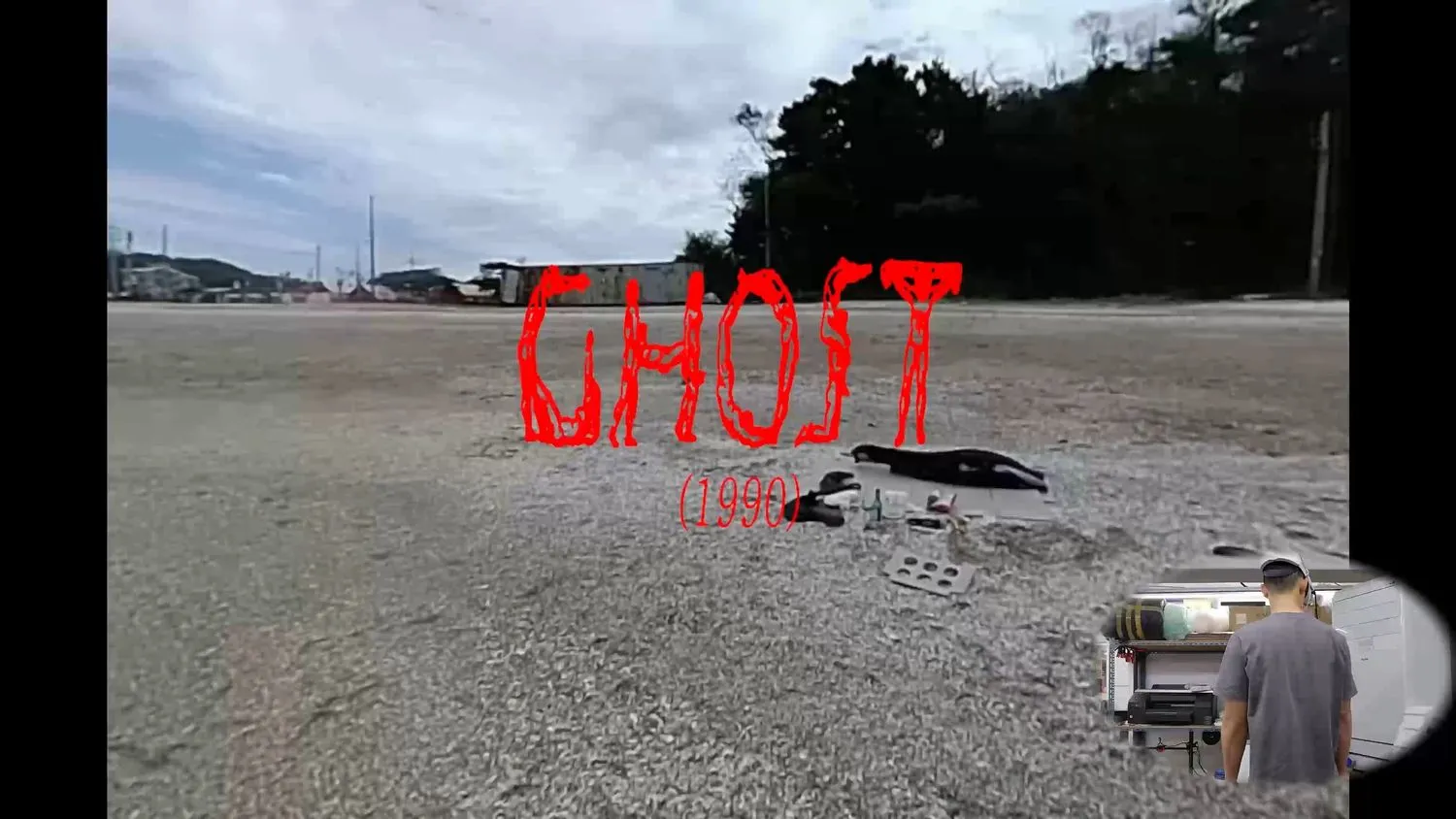
Kim's work is one of eight in K-NOW! Korean Video Art Today at MASI Lugano, an exhibition bringing together South Korean artists and collectives working with video and moving image, united by a shared concern with how contemporary life is shaped by overlapping historical, technological and political forces. Their practices are rooted in the specific history and social reality of their country: a nation that has undergone seismic transformation in the space of sixty years, from post-war devastation to economic powerhouse, while carrying the unresolved weight of a division that never officially ended. The works deal in precarious labor, colonial violence, the performance of identity under capitalism, borders both political and psychological — and much of what they surface resonates well beyond Korea's borders.
It helps to understand something of the context, even briefly. South Korea's cultural rise has been one of the defining phenomena of the past two decades. The Korean Wave — Hallyu — carried K-dramas, K-pop, cinema and cuisine into living rooms worldwide, and in its wake came growing international attention to the country's art scene. The exhibition title K-NOW! plays knowingly on that K-prefix branding while keeping its distance from it. These are not artists who can be neatly packaged. They work in video not because it is fashionable but because, as the curators Francesca Benini and Je Yun Moon put it, it was simply the language in which their research found its most effective form — a medium that is mobile, non-place-specific, yet always bearing the imprint of where and when it was made.
It also arrives in a medium with a particular history in Korea. Video entered the culture not as an extension of cinema but as something more politically charged — portable, reproducible, capable of circulating outside state-controlled media. In the 1980s, student collectives used it to document protests and everyday life under dictatorship, producing counter-archives of visibility that state television suppressed. By the time this generation of artists came of age, video had become less a discrete format than a condition of existence — a technological and perceptual environment that structures how they experience and inhabit the world. What the eight artists in this exhibition share is not a style but a restlessness about the form itself, which here blurs continuously into film, installation, performance and networked media. The category becomes deliberately porous, and that porosity is the point.
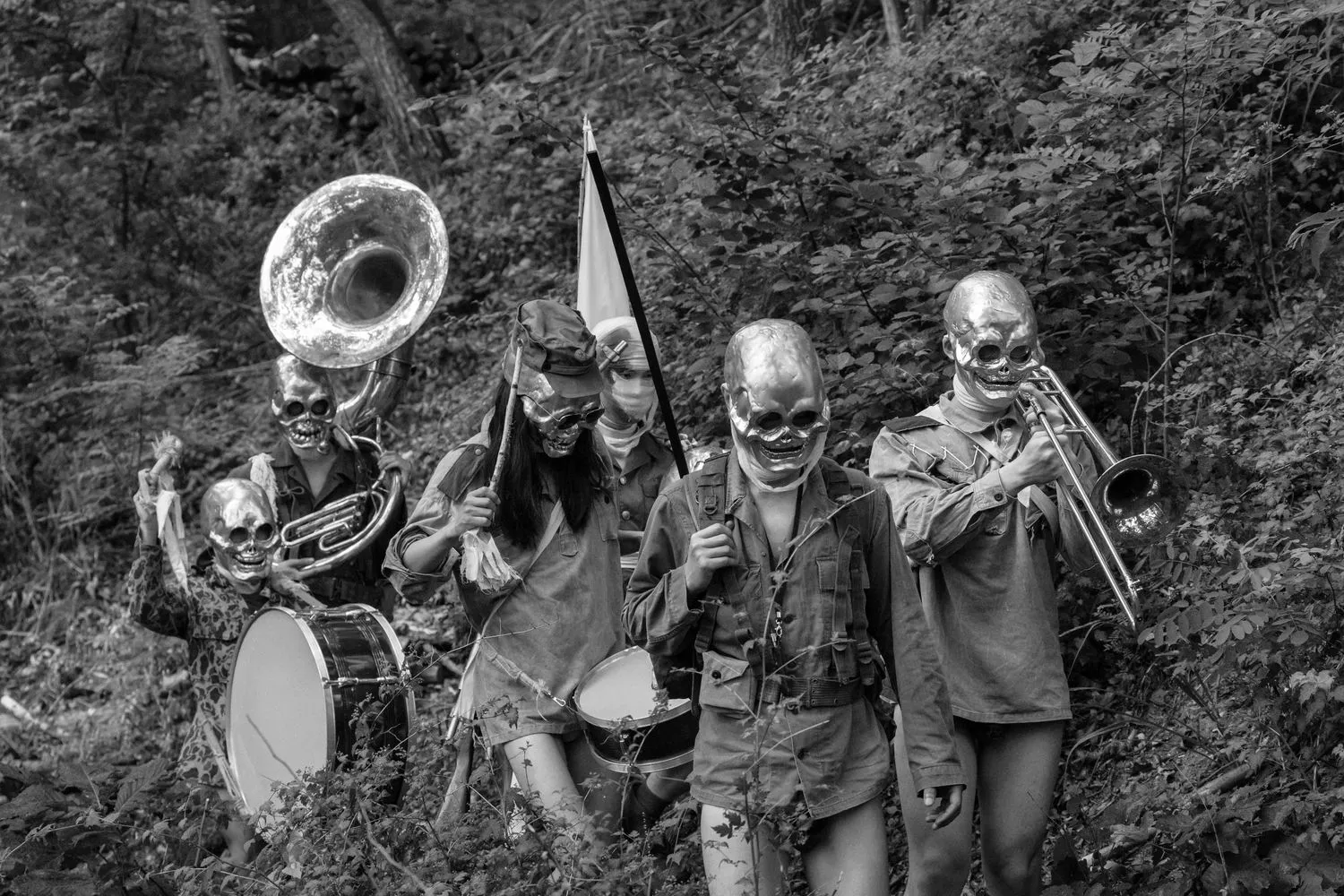
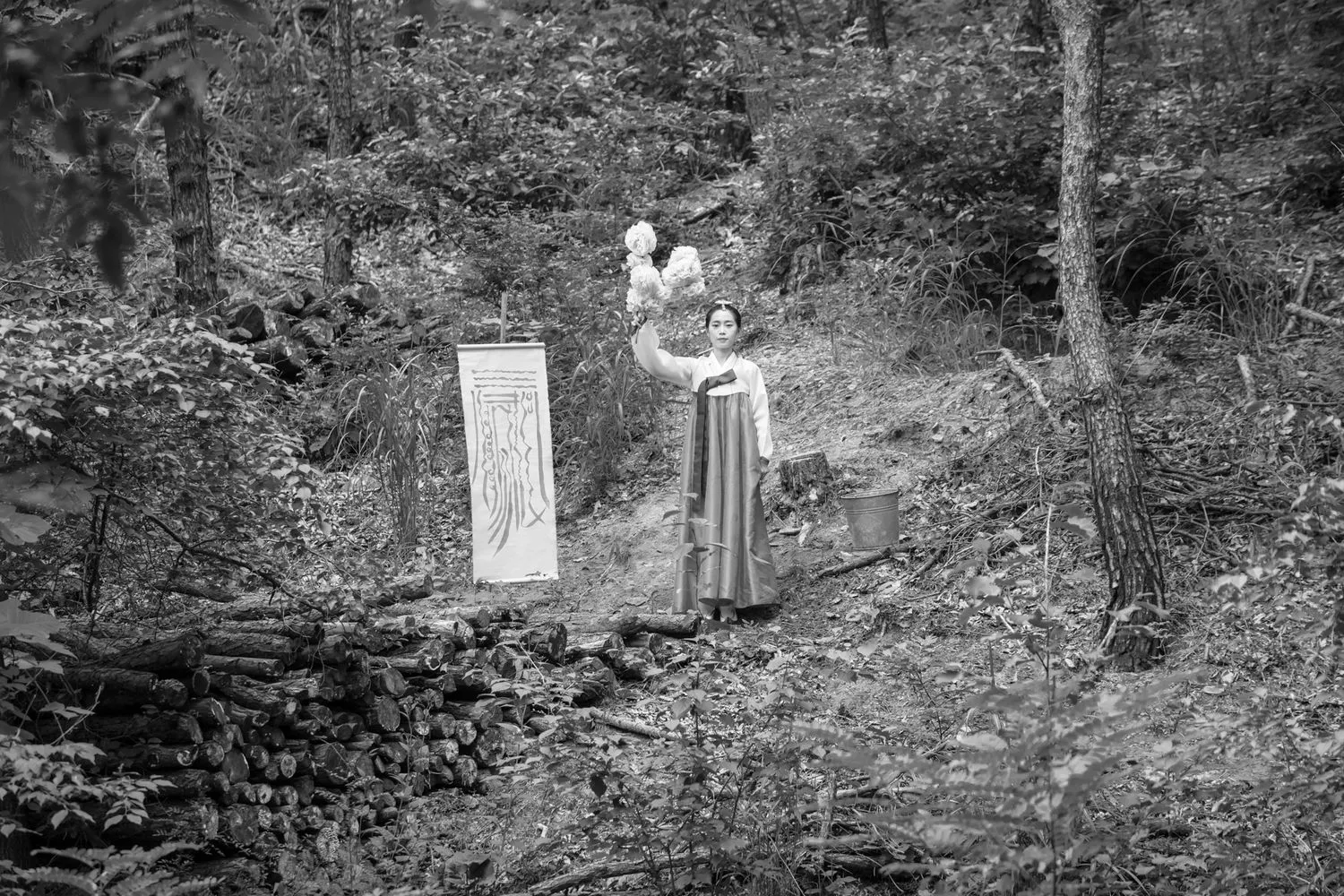
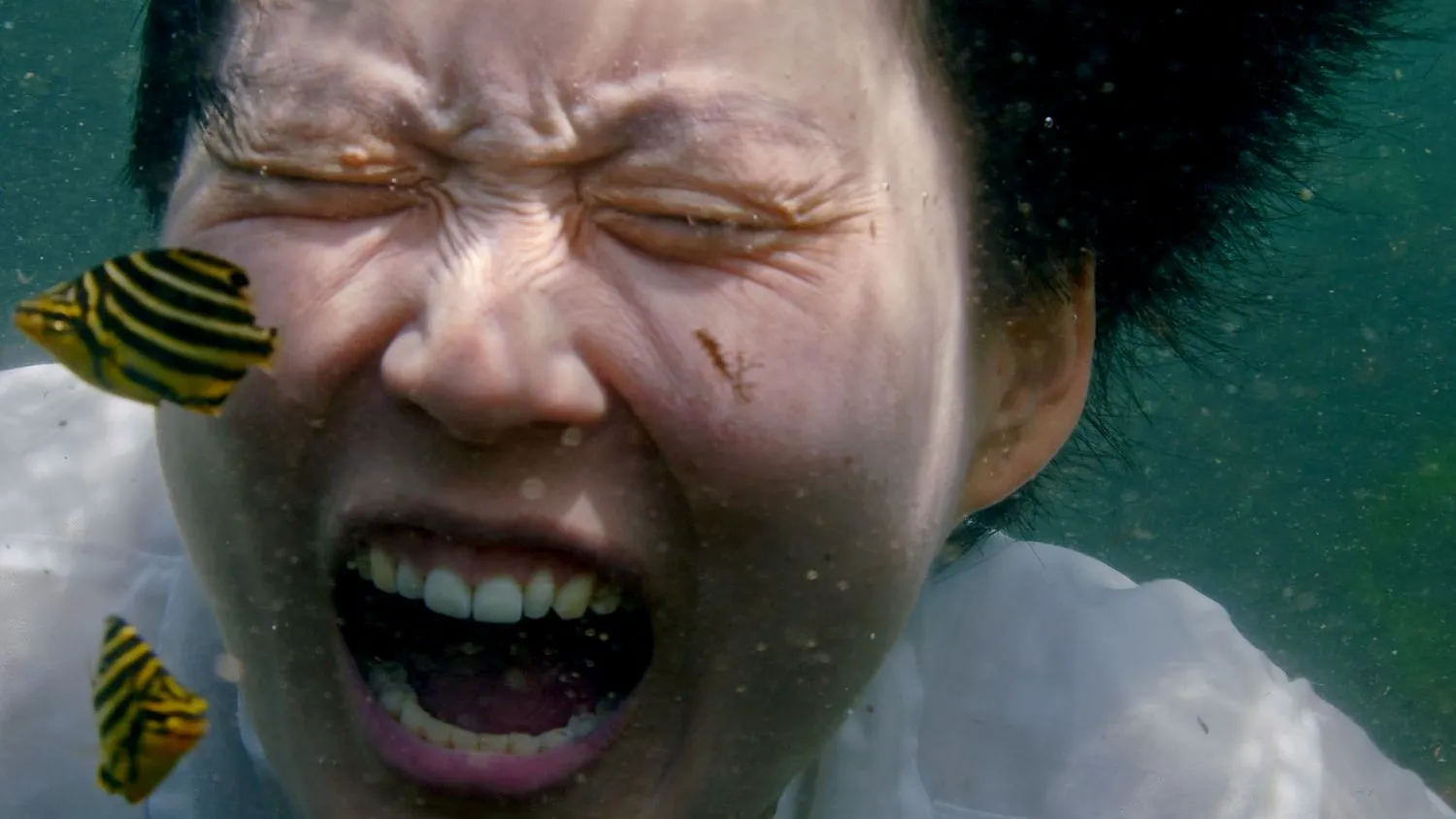
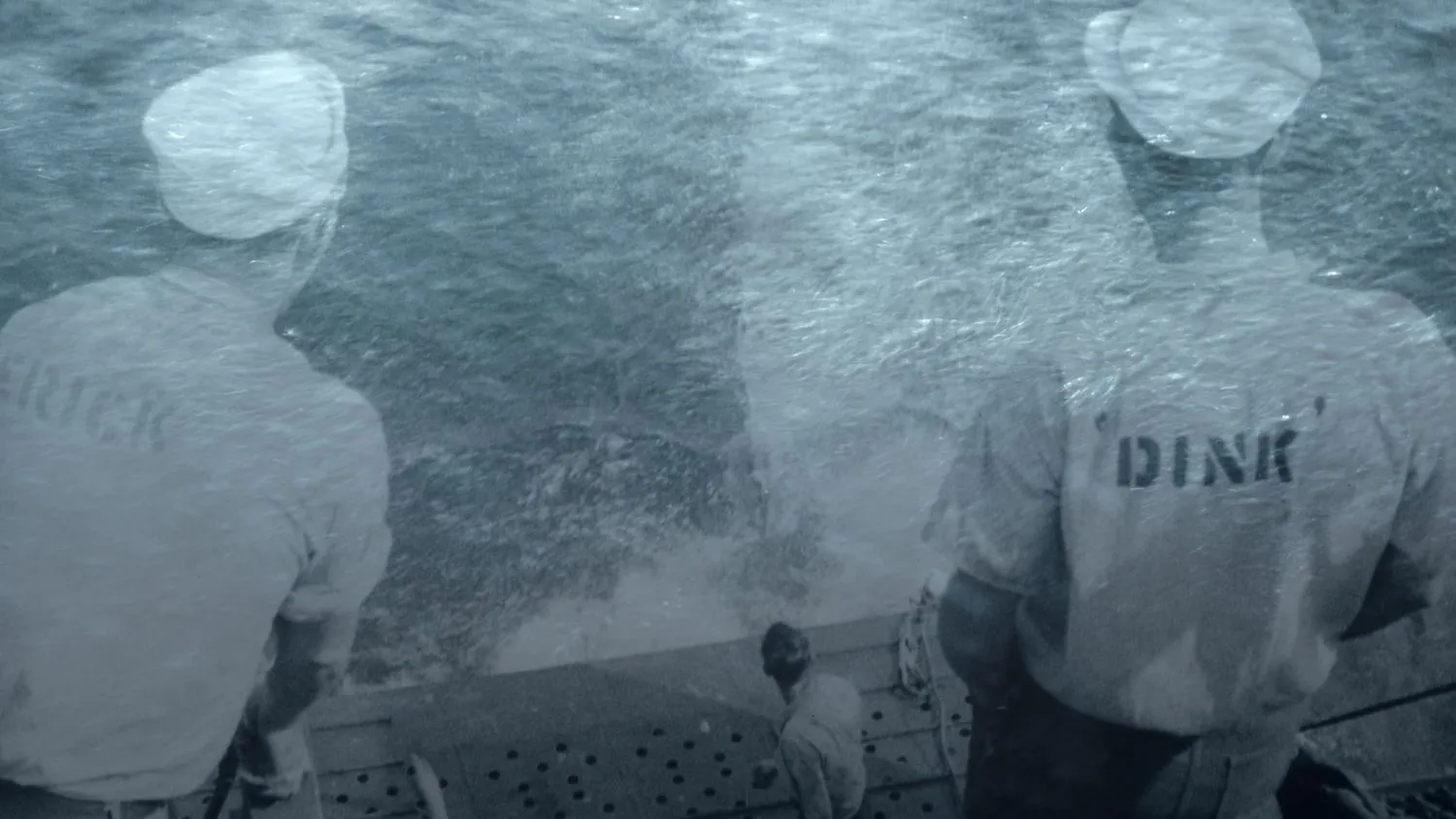
The exhibition opens with Chan-kyong Park's Citizen's Forest (2016), a multi-channel installation in panoramic format that weaves shamanic ceremony with commemoration of recent Korean tragedies, including the 2014 Sewol ferry disaster. The work operates in a dilated, layered temporality that rewards patience, and it closes — deliberately — with Jane Jin Kaisen's Offering (2023) and Wreckage (2024), two films of quiet devastation rooted in the history of Jeju Island. In Wreckage, underwater footage of the sea is overlaid with US military propaganda film from 1945, the images of weapons being dumped into the water haunted by the knowledge of what would follow: the massacre of thousands of civilians by the South Korean army in 1948. A lament by a late shaman — herself a survivor, whose voice Kaisen documented over a decade — moves through the work like a body that refuses to stay submerged. These are among the most powerful pieces in the show: slow, earned, and precise in their grief.
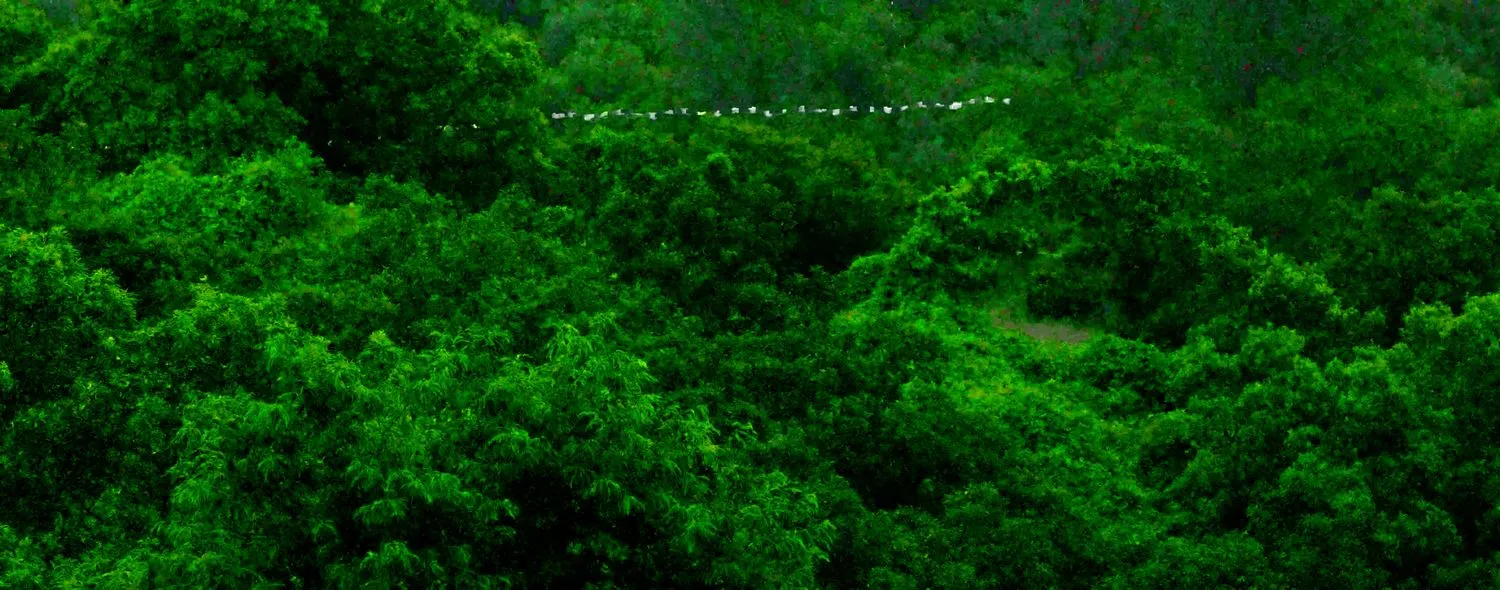
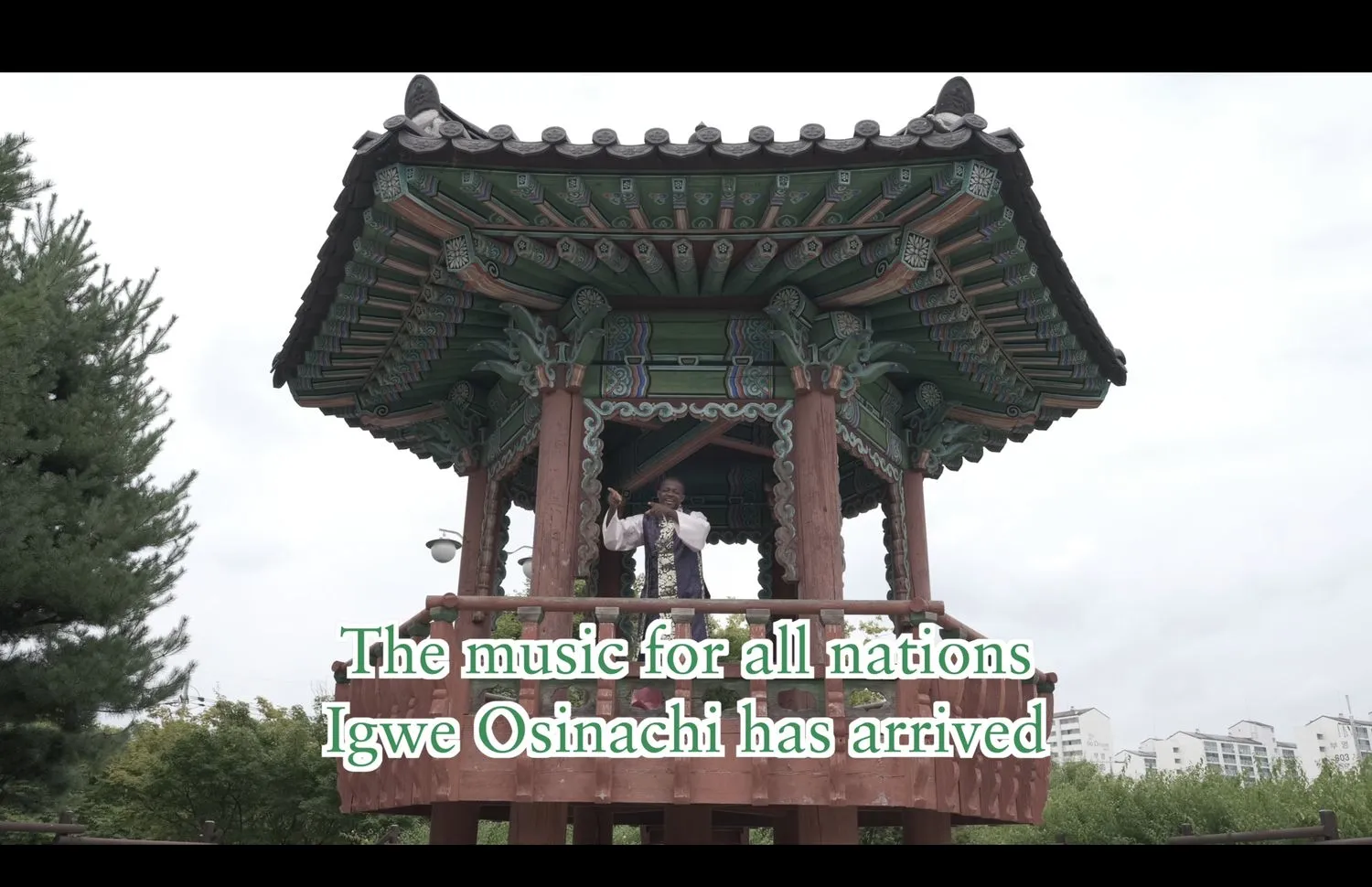
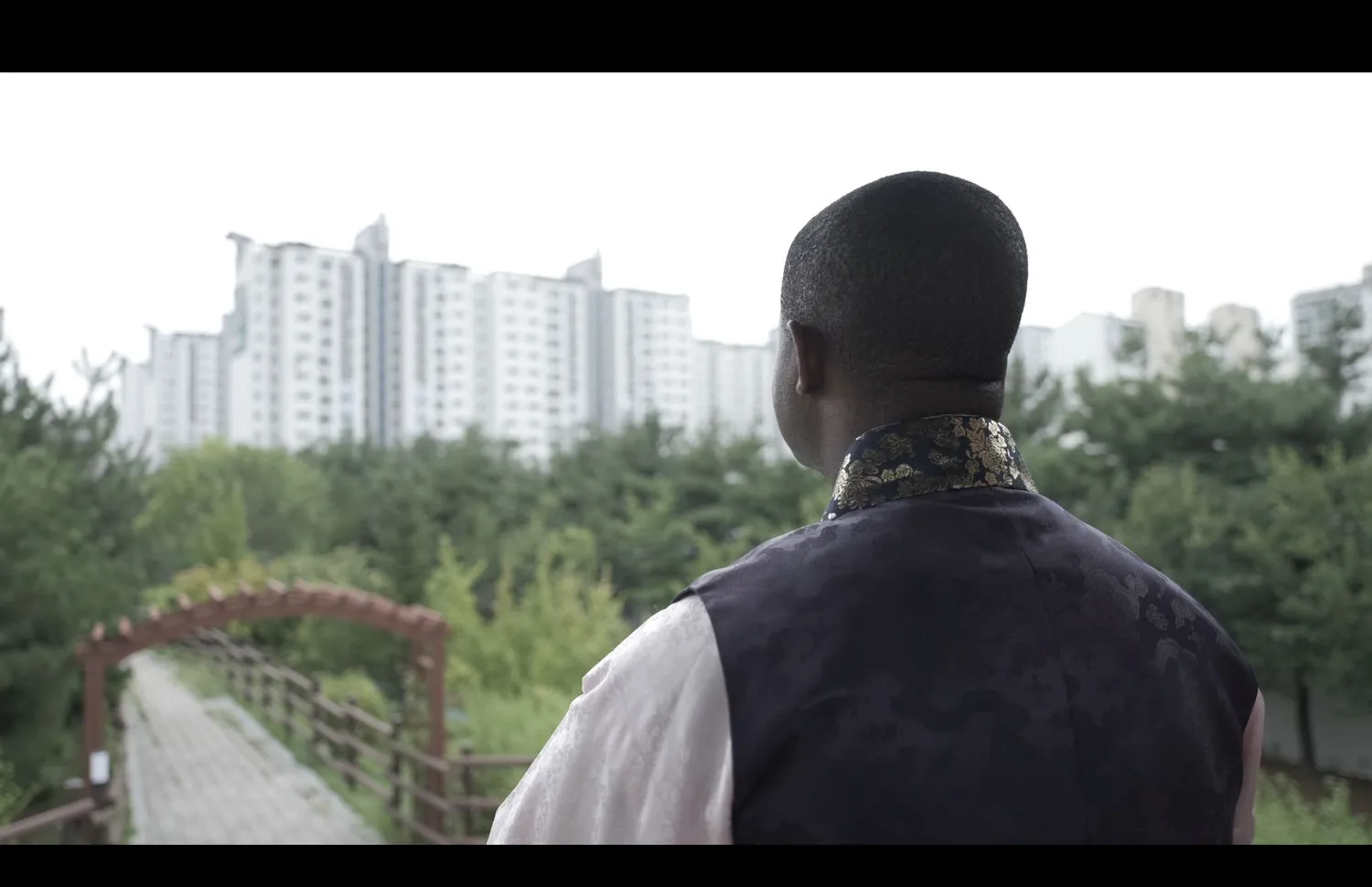
Between these two poles, the exhibition traces what connects a generation of artists who came of age amid rapid technological transformation and the long shadow of an unresolved war. Onejoon Che's Made in Korea (2021), produced with Nigerian musician Igwe Osinachi, uses the music video format to examine African migration to Korea, surfacing an overlooked history of Cold War entanglements between the two regions. Sojung Jun's Green Screen (2021), shot along the Demilitarized Zone, transforms one of the world's most fortified borders into a meditation on absence and ecological resilience — nature reclaiming what politics made uninhabitable. These works resist the idea that Korean identity is a stable, bounded thing. They propose instead something more porous and migrant, shaped by displacement, exchange and the kind of crossings that nationalist narratives prefer to forget.
Sungsil Ryu's BJ Cherry Jang (2018) shifts register into satire. The fictional streamer Cherry Jang hawks "first-class citizenship" to her followers, monetizing social aspiration with the cheerful efficiency of an infomercial. The work is funny and unsettling in equal measure, exposing how desire, gender and status are constructed and sold within a hyper-competitive, screen-saturated society. That critique, too, travels — the choreography of aspiration Ryu describes is not uniquely Korean.